
Choosing the wrong crane system can slow down your entire operation. Whether you’re outfitting a new factory or upgrading an outdoor storage yard, the decision between an overhead crane and a gantry crane matters more than most buyers expect. These two systems are often confused — they both lift heavy loads along a horizontal beam — but they are built differently and designed for very different environments.
This article breaks down exactly how an overhead crane and a gantry crane differ in structure, where each performs best, and what factors should drive your selection. By the end, you’ll have a clear framework to match the right crane type to your facility’s real-world requirements.
What Is an Overhead Crane?
Definition and Core Structure
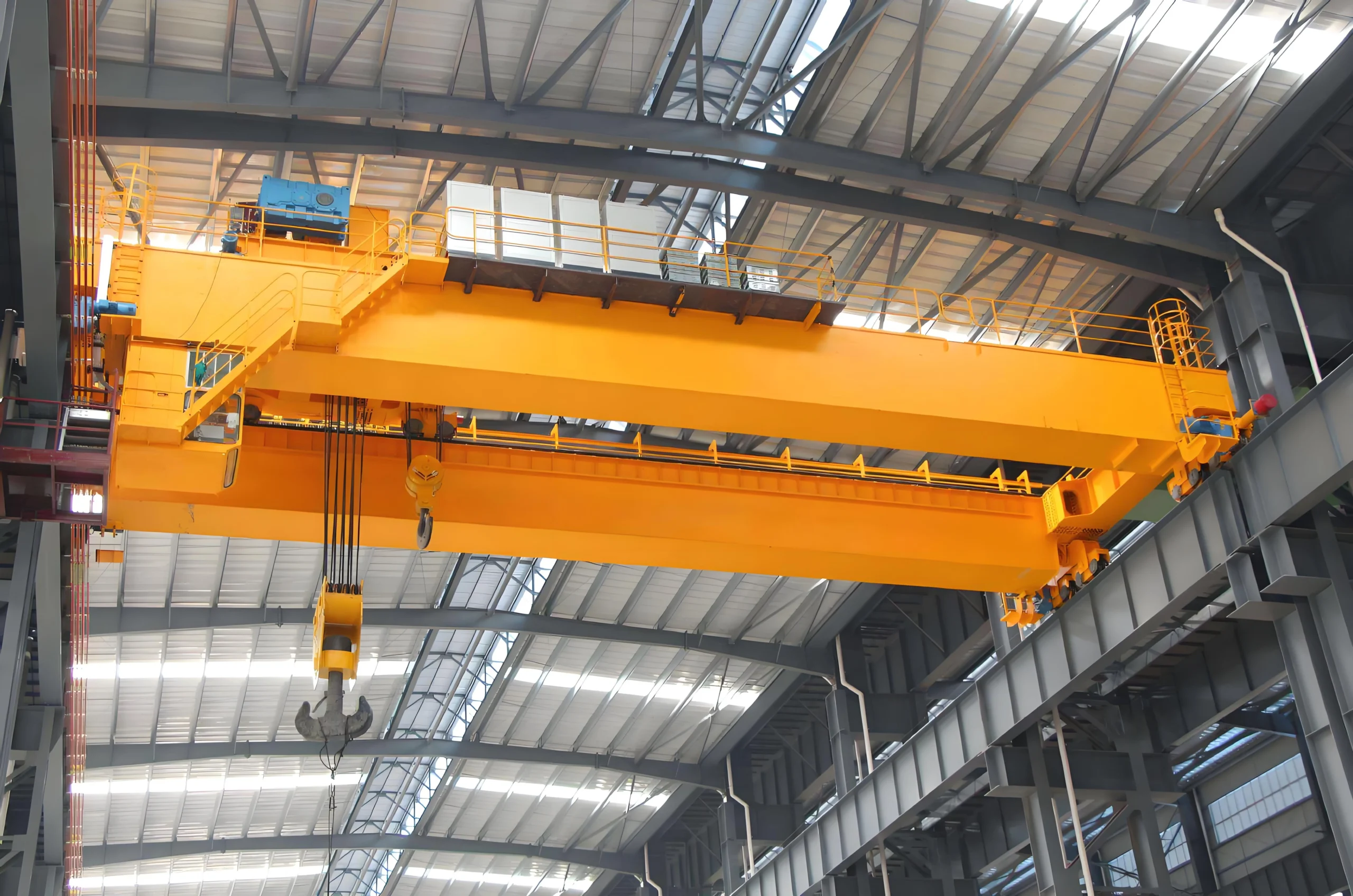
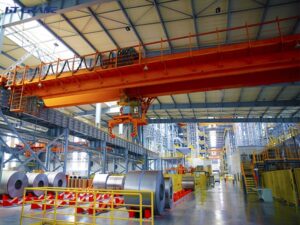
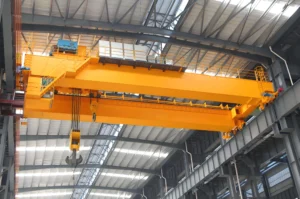
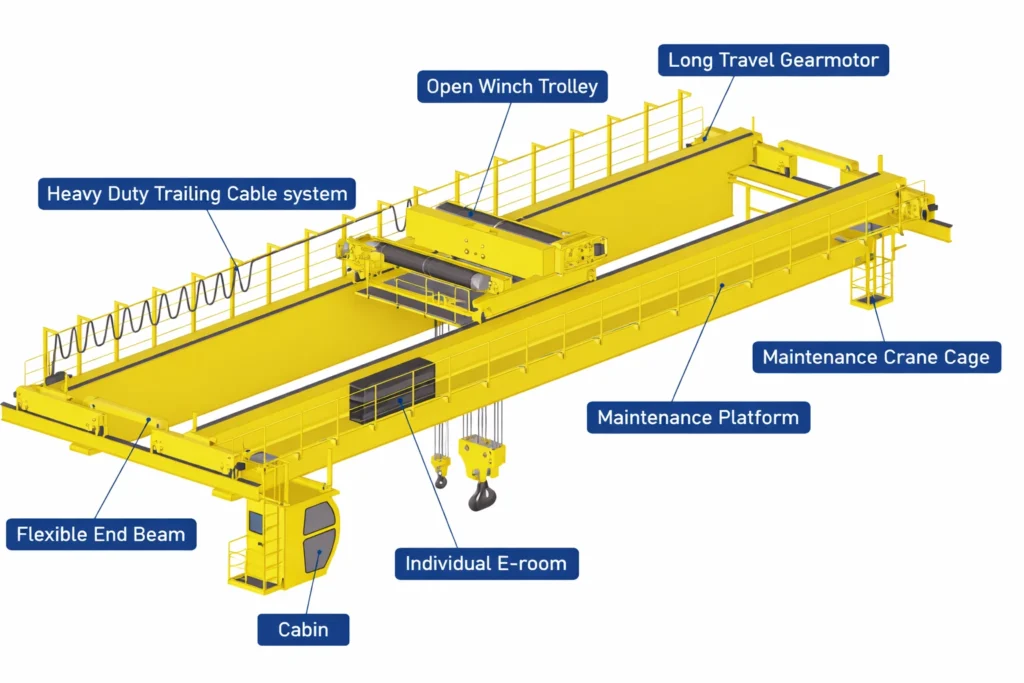
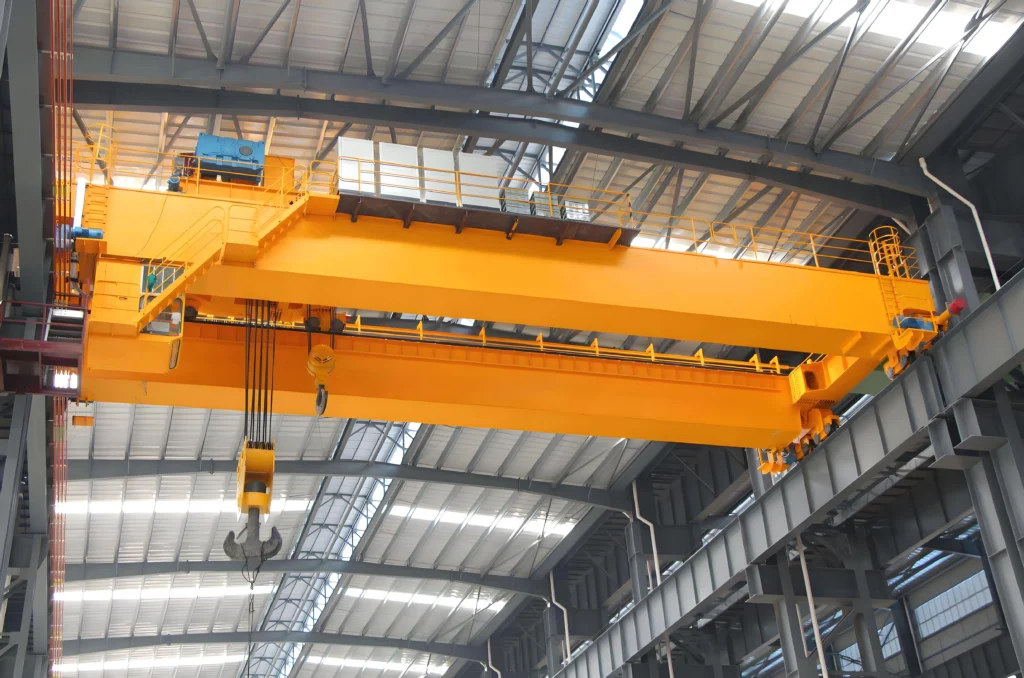
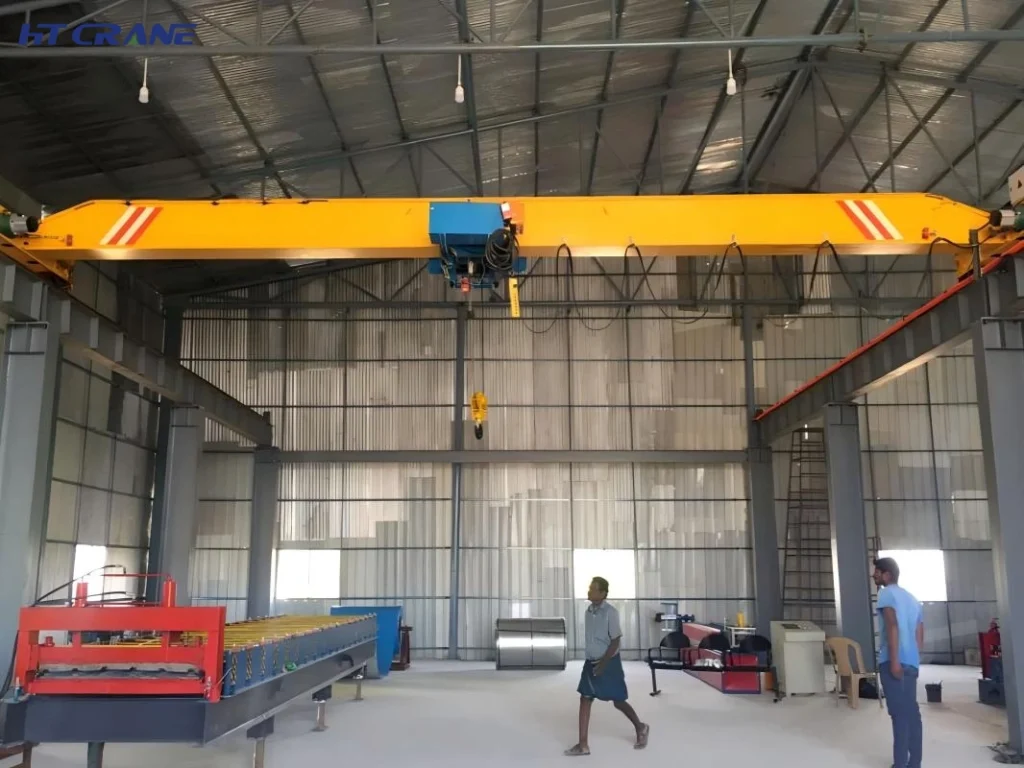
An overhead crane — also called a bridge crane — is a material handling system where the lifting bridge travels along fixed runway beams mounted to a building’s structural columns. The crane does not touch the floor. It operates entirely above the work area, suspended from the building itself.
Types of Overhead Cranes
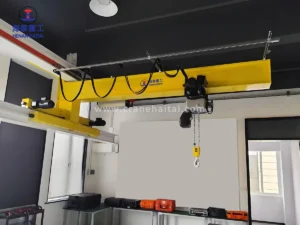
- Single Girder — Suitable for light to medium loads;1-32Ton the most common configuration.
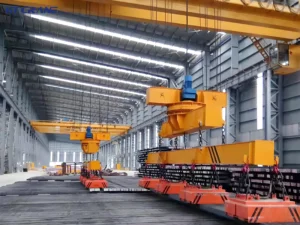
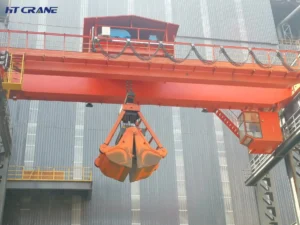
- Double Girder — Suitable for heavy loads exceeding 5-800 tons and high-intensity operation
- Top Running — Offers maximum structural efficiency and the widest range of applications.
- Underhung / Under Running — Suspended from the building’s structural steel; requires no dedicated support columns.
Where Overhead Cranes Are Used
Overhead cranes are almost exclusively an indoor solution. They are the preferred choice for manufacturing plants, steel fabrication workshops, and assembly lines where loads move repeatedly along predictable paths. The building structure serves as the crane’s foundation, which eliminates the need for ground-level support legs.
Key Characteristics
- Fixed installation: The runway is permanently attached to the building
- High precision: Ideal for repetitive, controlled lifting tasks
- Space efficiency: No floor obstacles — the entire floor area stays clear for operations
What Is a Gantry Crane?
Definition and Self-Supporting Design
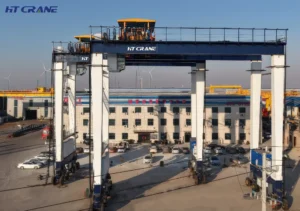
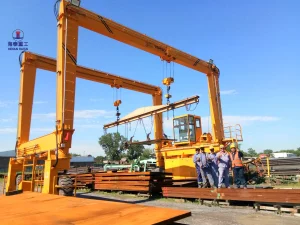
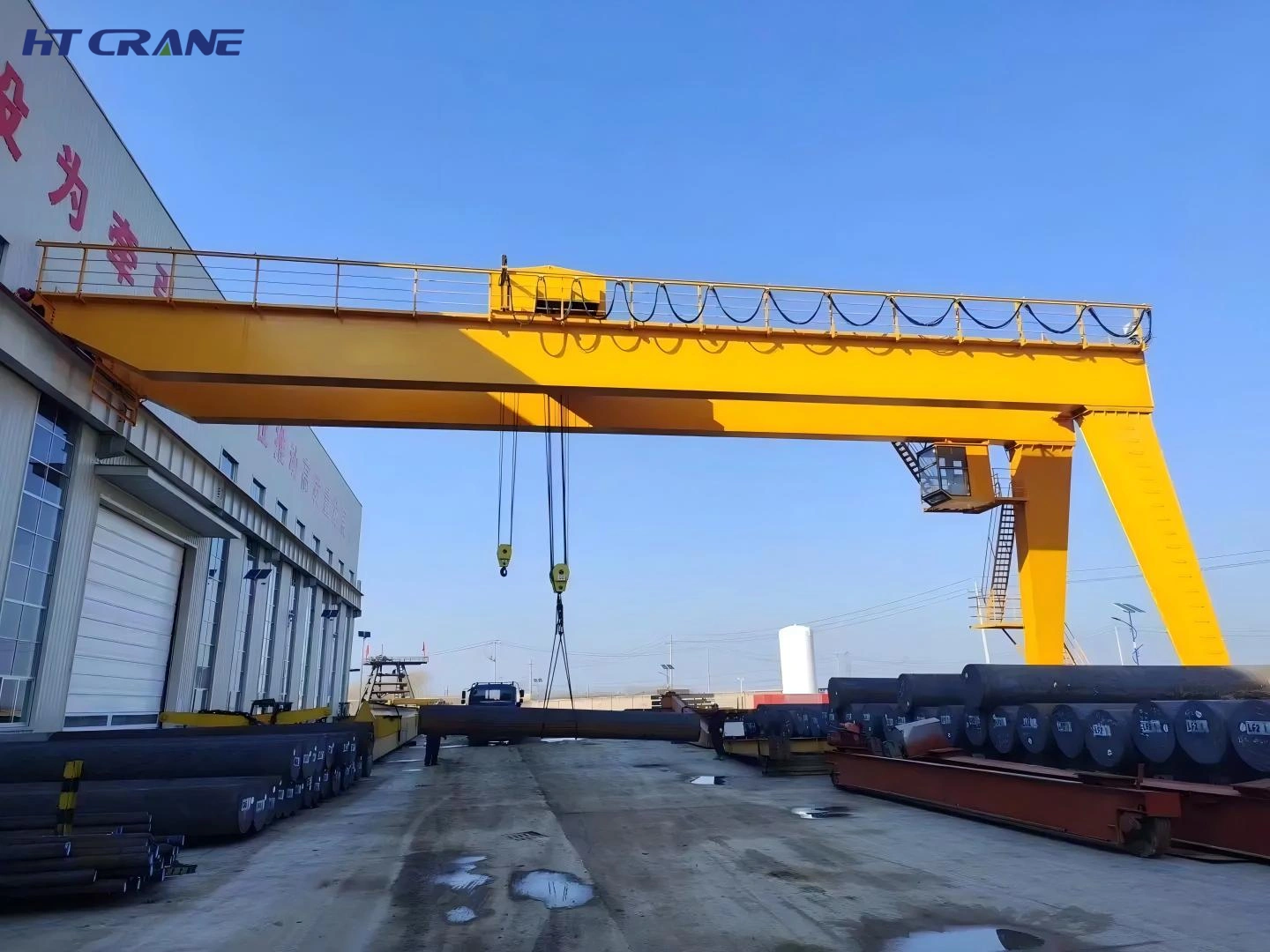
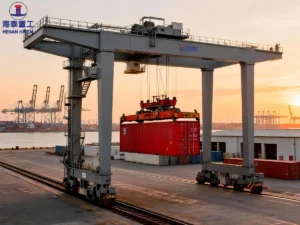
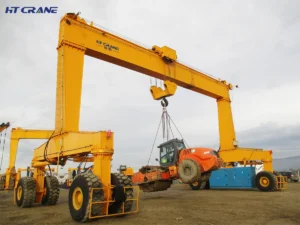
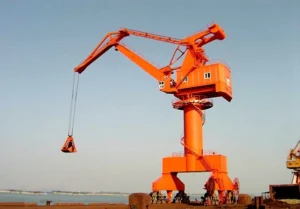
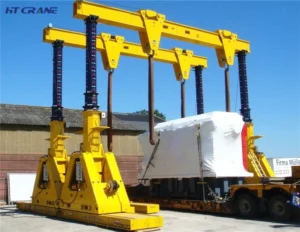
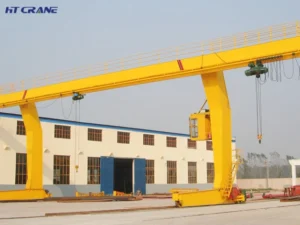
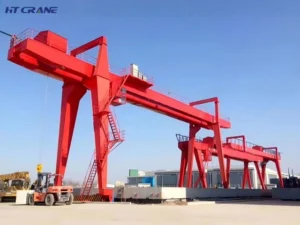
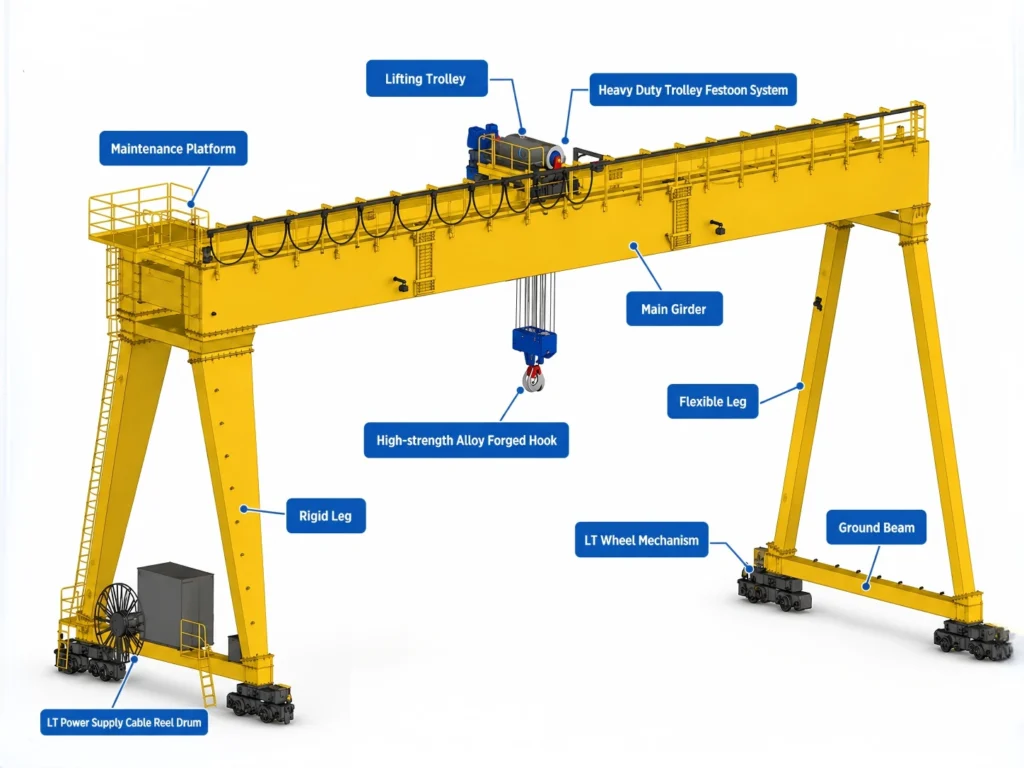
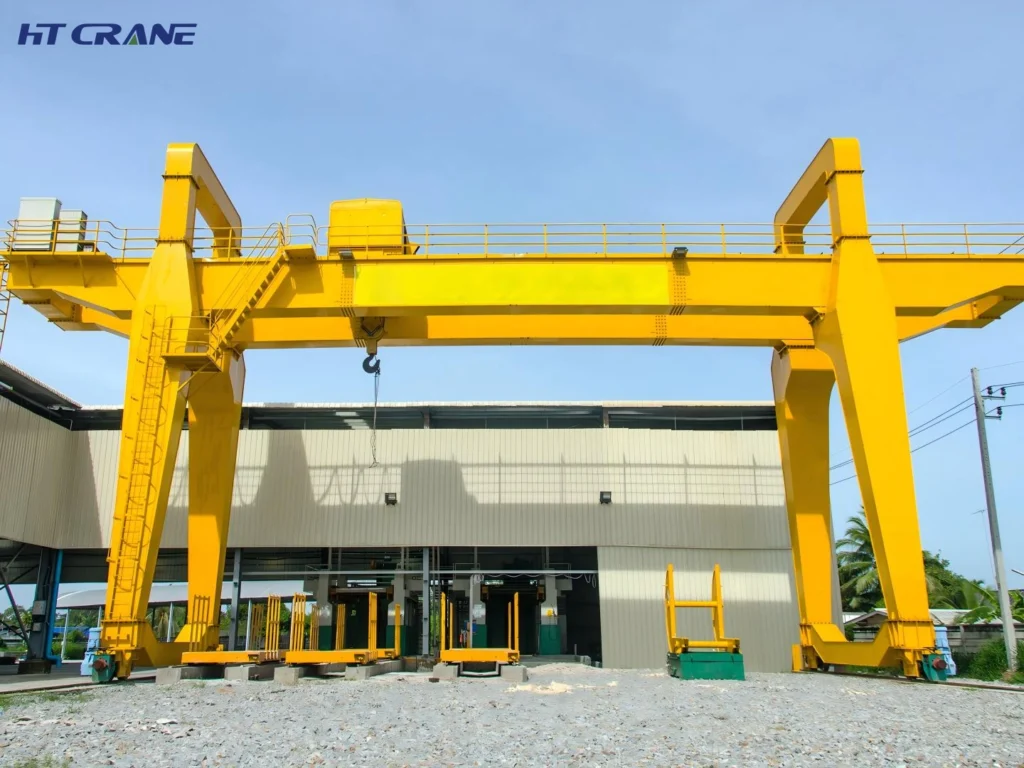
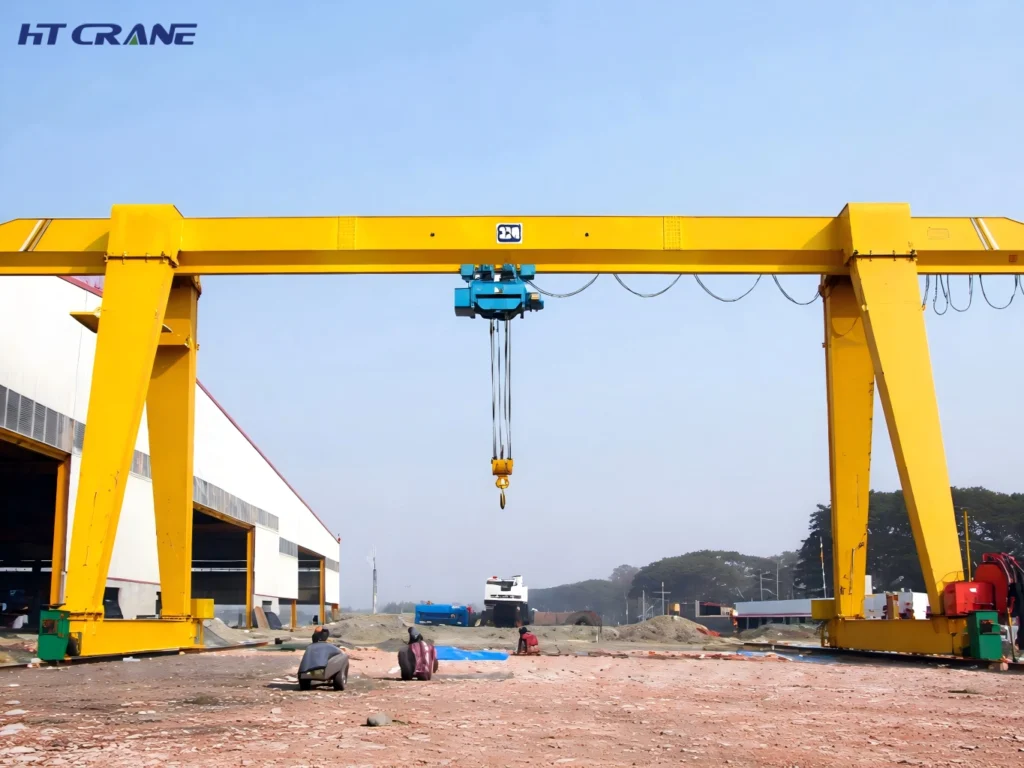
A gantry crane is a lifting system that supports its own weight on two vertical legs. These legs run on ground-level rails or rubber-tyred wheels, which means the crane does not depend on any existing building structure. It is entirely self-sufficient.
Types of Gantry Cranes
There are three main configurations to understand:
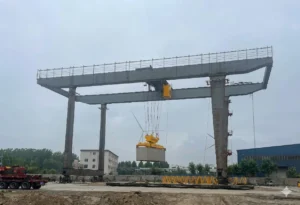
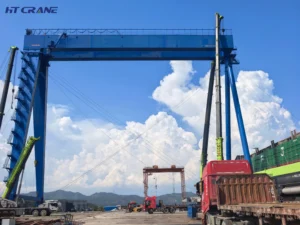
- Full gantry crane: Both legs run on rails or travel surfaces, offering maximum stability for heavy outdoor lifts
- Semi-gantry crane: One leg runs on a rail at ground level; the other end rests on an elevated runway attached to a wall or structure
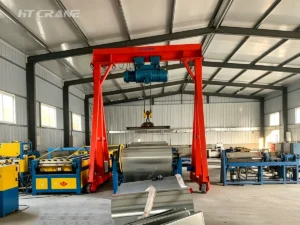
- Portable gantry crane: A smaller, wheeled version used for light-duty indoor or workshop applications
- Truss gantry crane: It is commonly used for outdoor applications,uses a truss-style girder structure instead of a solid box girder, reducing wind resistance and overall weight.
Mobility Options
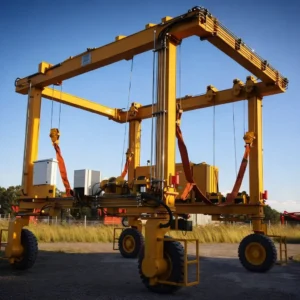
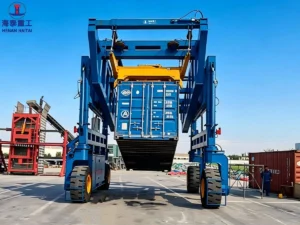
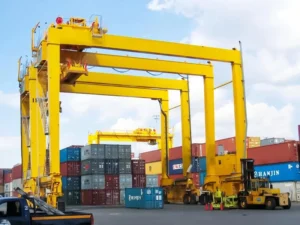
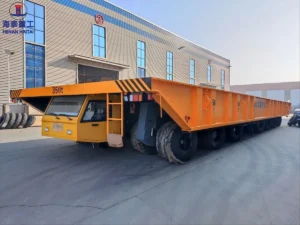
Rail-mounted gantry cranes follow a fixed track layout. Rubber-tyred gantry (RTG) cranes offer far greater flexibility — they can reposition between aisles or move across large open yards without fixed infrastructure.
Key Characteristics
- Self-supporting structure: No building columns required
- Outdoor capable: Designed to handle wind loads and open-air conditions
- Flexible installation: Can be set up on any flat, load-bearing surface
Structural Differences Between Overhead Crane and Gantry Crane
Understanding the structural distinctions helps clarify why each crane belongs in a specific setting.
1. Support Structure
| Feature | Overhead Crane | Gantry Crane |
|---|---|---|
| Structural support | Building columns | Self-supporting legs |
| Foundation dependency | High (relies on building) | Low (independent) |
| Civil work required | Runway beam installation | Ground rail or surface prep |
The overhead crane transfers all load forces into the building’s columns and foundation. The gantry crane distributes those forces through its own legs into the ground surface.
2. Installation Environment
Overhead cranes require an enclosed or semi-enclosed building with columns strong enough to carry the runway beams and dynamic crane loads. Gantry cranes, by contrast, can be installed in open yards, partially covered areas, or any outdoor site with adequate surface preparation.
3. Mobility
Overhead cranes are fixed to their runway tracks. They cover the exact area defined by the runway length and bridge span — nothing more. Gantry cranes, especially rubber-tyred models, can reposition to cover different areas of a yard as operational needs change.
4. Space Utilization
Overhead cranes are highly space-efficient for indoor environments. Because the entire system is elevated, the floor beneath remains completely clear. Gantry cranes require clear ground space for their legs and rails, which can limit how densely a yard or workshop is arranged.
5. Load Capacity Range
Both systems are available across a wide capacity range. Overhead cranes in industrial settings typically handle loads from 1 tonne to 500 tonnes or more, depending on the bridge design. Gantry cranes used at port terminals and shipyards can handle similarly heavy loads, while portable gantry systems handle lighter workshop tasks in the 1–10 tonne range.
Use Cases: Overhead Crane vs Gantry Crane
Overhead Crane Applications
Overhead cranes — or bridge cranes — excel in structured, high-frequency indoor environments:
- Manufacturing plants: Moving raw materials, subassemblies, and finished products along production lines
- Steel fabrication workshops: Lifting heavy steel sections with precision placement
- Warehouses: Loading and unloading storage racks and staging areas
- Assembly lines: Positioning large components (engines, structures, frames) during build sequences
These environments share a common feature: repetitive, predictable lifting patterns inside a permanent building.
Gantry Crane Applications
Gantry lifting systems are the preferred solution where no building exists or where outdoor exposure is unavoidable:
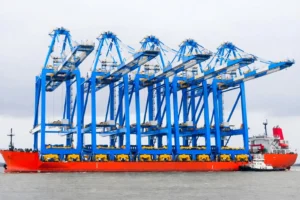
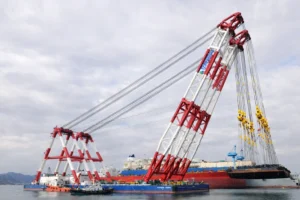
- Shipyards: Lifting and positioning ship sections and heavy marine equipment
- Construction sites: Handling precast concrete elements, steel structures, and bridge segments
- Outdoor storage yards: Moving timber, pipe, or steel plate in open-air stockpiles
- Precast concrete yards: Lifting heavy panels and beams with rail-mounted systems
- Port terminals: Rubber-tyred gantry cranes stacking containers in intermodal operations
Advantages and Limitations
Overhead Crane
Advantages:
- Maximizes usable floor space in production environments
- Delivers high precision for repetitive lifting cycles
- Supports faster workflow in enclosed manufacturing lines
- Lower operational footprint once installed
Limitations:
- Requires an existing building with adequate structural capacity
- Cannot be relocated to outdoor or open-air sites
- Runway installation involves significant civil and structural work
Gantry Crane
Advantages:
- Fully self-supporting — no building structure needed
- Operates effectively in outdoor and semi-outdoor environments
- Rubber-tyred variants can reposition without track constraints
- Scalable configurations from portable workshop units to heavy-duty yard cranes
Limitations:
- Legs and rails consume ground-level space
- Less efficient in enclosed, high-throughput production lines
- Rail-mounted versions require ground preparation and alignment
How to Choose Between an Overhead Crane and a Gantry Crane
The selection process comes down to six practical factors:
Indoor vs Outdoor Application
This is the most immediate filter. If your operation runs inside a permanent building with structural columns, an overhead crane is the natural starting point. If your operation is outdoors, in a partially covered yard, or in a building without adequate column support, a gantry crane is the appropriate direction.
Load Weight and Duty Cycle
Both crane types cover a wide load range, but duty cycle matters. A facility running multiple heavy lifts per hour over long shifts needs a crane rated for intensive industrial use (ISO duty class M5–M8). Lower-frequency applications can operate with lighter-duty equipment.
Existing Building Structure
Before specifying an overhead crane, structural engineers need to verify that the building columns and foundation can carry the added runway and dynamic load forces. If the structure cannot support a runway system without major modification, a gantry crane — which brings its own structural support — may be more cost-effective.
Budget and Installation Cost
Overhead cranes typically involve higher upfront civil and structural costs for runway installation. However, their long operational life and low floor-space consumption often justify that investment in high-utilization environments. Gantry cranes generally have lower installation costs but require adequate ground preparation for stability.
Mobility Requirements
If your operation needs the crane to serve multiple zones or reposition seasonally, a rubber-tyred gantry system provides that flexibility. Fixed overhead cranes cannot be relocated without dismantling and rebuilding the runway system.
Future Expansion Plans
Consider whether your facility footprint or production capacity is likely to change. Overhead crane runway systems can be extended along a building bay if expansion space exists. Gantry cranes on rubber tyres adapt more easily to changing yard layouts without infrastructure changes.
Industrial Recommendation
Both overhead cranes and gantry cranes are highly customizable systems. Bridge spans, lifting heights, hook travel speeds, control systems, and structural ratings are all engineering variables that should be matched to your exact operational profile — not selected from a catalogue.
OEM manufacturers and crane engineering consultants can configure either system to meet specific load requirements, duty cycles, and site constraints. This matters particularly for unusual bay widths, non-standard headroom conditions, or applications involving extreme temperatures, corrosive environments, or explosion-hazard zones.
The best starting point is a site assessment that documents your building dimensions (or yard layout), your heaviest lift, your lifting frequency, and your workflow requirements. From that baseline, the correct crane type — and the correct specification — becomes much clearer.
Request a tailored crane solution from a qualified engineering team who can evaluate your site conditions and recommend the configuration that fits your operation, not just a standard product line.

Conclusion
The core difference between an overhead crane and a gantry crane is structural independence. Overhead cranes rely on a building’s columns and are optimized for high-precision indoor operations. Gantry cranes carry their own support structure and are built for outdoor flexibility or locations without adequate building infrastructure.
For enclosed manufacturing plants, steel workshops, and warehouse environments with established building structures — overhead cranes deliver unmatched space efficiency and production throughput. For shipyards, construction sites, precast yards, and open-air storage operations — gantry cranes provide the self-sufficiency and positioning flexibility those environments demand.
Use the six selection factors covered in this article — environment, load profile, building structure, budget, mobility needs, and future expansion — to frame your decision. When in doubt, consult a crane engineering specialist before committing to either system. The right crane, correctly specified, will serve your operation reliably for decades.
Frequently Asked Questions
Can an overhead crane be converted to a gantry crane?
Not practically. An overhead crane relies on a building’s structural columns for its runway system, while a gantry crane is entirely self-supporting. Converting one to the other would require rebuilding the core support structure — effectively replacing the entire crane system. If your site conditions change (for example, moving from an indoor facility to an outdoor yard), the more cost-effective approach is to source the appropriate crane type for the new environment rather than attempting a conversion.
What is the typical span range for overhead cranes versus gantry cranes?
Overhead cranes in industrial use commonly span from 5 metres to 35 metres across a building bay, though custom designs can exceed this range. Gantry cranes — particularly those used in shipyards and port terminals — frequently exceed 50 metres in span. The structural design of gantry crane legs and the ground rail system can accommodate much larger spans than typical indoor runway systems, making gantry configurations the standard choice for large-scale outdoor lifts.
Do gantry cranes require special ground preparation?
Yes. Rail-mounted gantry cranes require concrete rail beams or embedded rail foundations that are engineered to handle both the static crane weight and the dynamic loads from lifting and travel. Rubber-tyred gantry cranes require a flat, reinforced surface — typically a concrete yard — capable of supporting concentrated wheel loads. Ground preparation is a critical part of gantry crane installation and should be included in the total project budget from the start.
Which crane type is more cost-effective for a new greenfield facility?
This depends on your production model. If the facility design can incorporate overhead crane runways into the building structure from the start — a common approach in modern industrial construction — the integrated cost of an overhead crane system is often lower than adding a gantry crane later. For outdoor operations where no building is planned, a gantry crane avoids the cost of constructing a building solely to support an overhead system. A cost comparison should factor in total installed cost, not just the crane equipment price.
How do wind loads affect gantry crane selection for outdoor use?
Outdoor gantry cranes must be engineered to resist wind forces according to the applicable standards for the installation region. This affects the structural sizing of the legs, the rail clamping or anchoring system, and the operational wind speed limits. Most gantry crane suppliers will specify a maximum operating wind speed (commonly 20 m/s for operations) and an out-of-service wind speed the structure is designed to withstand (often 40–55 m/s depending on regional requirements). For sites in high-wind zones, these parameters should be confirmed with the manufacturer during specification.