Port Crane

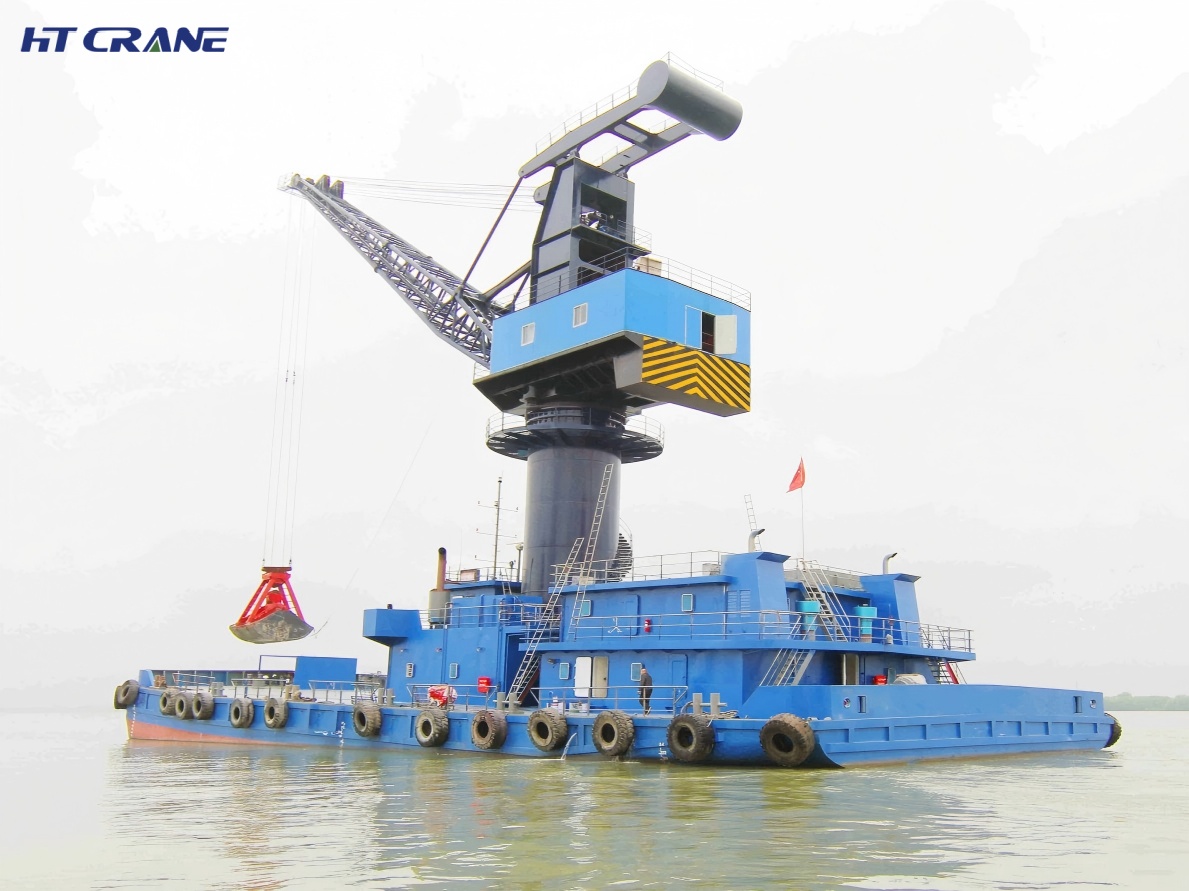
Floating Dock Crane

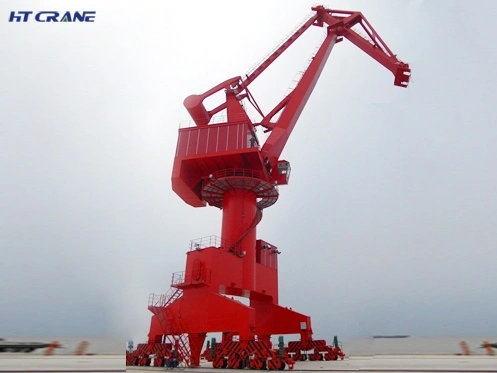
A crane mounted on a floating platform or barge, designed for harbor loading/unloading, bridge construction, water rescue, and marine engineering, capable of adjusting to water level changes with flexible mobility.
  • Lifting Capacity:10 t – 80 t+
  • Boom Length:15 m – 80 m+
  • Lifting Height:10 m – 50 m+
  • Slewing Range:360° (slewing models)
Quality Assurance
safe and stable
powerful performance
perfect after-sales service

If you manage a marina, boatyard, or naval facility, you know the frustrations: vessels waiting endlessly for maintenance, docks that aren’t designed for heavy loads, and cranes that aren’t suited for waterborne operations. A Floating Dock Crane solves all these problems in one versatile machine. It lifts, moves, and positions vessels safely — without permanent dock modifications, without hull damage, and without slowing down your workflow.

This page covers everything you need to evaluate a Floating Dock Crane: how it operates, where it performs best, what sets ours apart, and the complete technical specifications. When you’re ready to specify a unit, our engineering team responds to enquiries within 24 hours, helping you get the right crane for your facility.

Get Quote


Product Introduction

A Floating Dock Crane is a heavy-duty lifting system mounted on a barge, pontoon, or dedicated floating platform. It provides mobile, high-capacity lifting capability directly over water — without requiring fixed quayside infrastructure or shore-based crane access.

Unlike a shore-mounted crane, a floating dock crane moves with its hull. It can be towed or self-propelled to any accessible waterway location, positioned alongside a vessel or structure, and deployed for lifting operations that fixed land cranes cannot reach. This independence from shore infrastructure makes it the practical choice for shipyard docking operations, port construction, offshore installation, ship salvage, and coastal infrastructure projects.

The crane is available in slewing boom and fixed sheerleg configurations, across a wide capacity range from light-duty barge-mounted units to heavy offshore lift systems. Drive systems cover hydraulic, diesel-electric, and electro-hydraulic options. All units are engineered to the applicable marine classification society standards — ABS, DNV, BV, CCS, or Lloyd’s Register — depending on the vessel’s flag state and operational area.
Floating Dock Crane Floating Dock Crane 1 1
Floating Dock Crane

All specifications are customized to project requirements. Final parameters are confirmed during engineering review.


Product Parameters

ParameterStandard RangeNotes
Lifting Capacity10 t – 80 t+Sheerleg configurations for ultra-heavy lifts
Boom TypeSlewing / Fixed Sheerleg / Knuckle BoomApplication-specific
Slewing Range360° (slewing models)Fixed on sheerleg configurations
Boom Length15 m – 80 m+Customized to lift radius requirement
Lifting Height10 m – 50 m+From waterline to hook at maximum height
Hoisting Speed0 – 5 m/min (loaded)VFD controlled; varies by capacity
Slewing Speed0 – 1 rpmLoad and configuration dependent
Drive SystemHydraulic / Diesel-Electric / Electro-Hydraulic—
Hull TypeBarge / Pontoon / Semi-SubmersibleProject-specific
Dynamic PositioningOptional DP1 / DP2 / DP3For offshore applications
Control MethodOperator Cab / Remote ControlStandard cab; remote available
Working Temperature-20°C to +45°CCold-weather package available
ClassificationABS / DNV / BV / CCS / Lloyd’s RegisterFlag state and operating area dependent

Main Structure and Components

Crane Superstructure

  • Slewing crane: rotating upper structure with luffing boom, slewing ring, and hoisting machinery mounted on a fixed pedestal
  • Fixed sheerleg: A-frame or bipod configuration with a lifting block at the apex — maximum capacity for vertical-axis lifts
  • All structural steel welded to EN ISO 3834 welding quality standards

Floating Hull (Barge / Pontoon)

  • Steel hull designed and constructed to carry the crane’s dead load and maximum dynamic lift loads
  • Ballast tanks for trim and heel adjustment during lifting operations
  • Mooring system: anchor winches, bollards, and fender arrangements
  • Hull dimensions and stability calculated for the specific crane capacity and deployment area

Hoisting System

  • Wire rope drum winch — single or double fall reeving to rated SWL
  • Hydraulic or electro-hydraulic power unit driving the hoisting drum
  • Load cell integrated into the hoisting system for real-time SWL monitoring
  • Upper limit switch and overload protection as standard

Slewing and Luffing Mechanism (Slewing Models)

  • Rack-and-pinion or hydraulic slewing drive — 360° continuous rotation
  • Luffing cylinder or wire rope luffing system for boom angle control
  • Slewing and luffing limit switches at operational envelope limits

Operator Cab and Controls

  • Enclosed, climate-controlled operator cab at elevated position for clear sightlines
  • Full crane control from cab: hoisting, slewing, luffing, and hull functions
  • Optional radio remote control for operations where cab visibility is restricted
  • CCTV cameras on boom tip and hook block for precision placement assistance

Electrical and Hydraulic Systems

  • Diesel generator set (onboard power generation) or shore power connection
  • Hydraulic power unit with redundant circuits for critical functions
  • IP55 rated electrical enclosures for marine environment
  • Emergency stop at all operator positions

Key Features

① Fully Mobile Over Water — No Shore Infrastructure Required

The crane and hull assembly can be towed or self-propelled to any accessible waterway location. Lifting operations can be conducted at any point along a coastline, river, or harbor — independent of quayside crane availability or shore access constraints.

② Wide Capacity Range — From Maintenance Lifts to Ultra-Heavy Installations

Available from 10-tonne barge-mounted service cranes to multi-thousand-tonne sheerleg heavy lift vessels. A single platform can be configured for the specific lift profile of the project — eliminating the need to mobilize oversized equipment for standard lifts.

③ Marine Classification Compliance

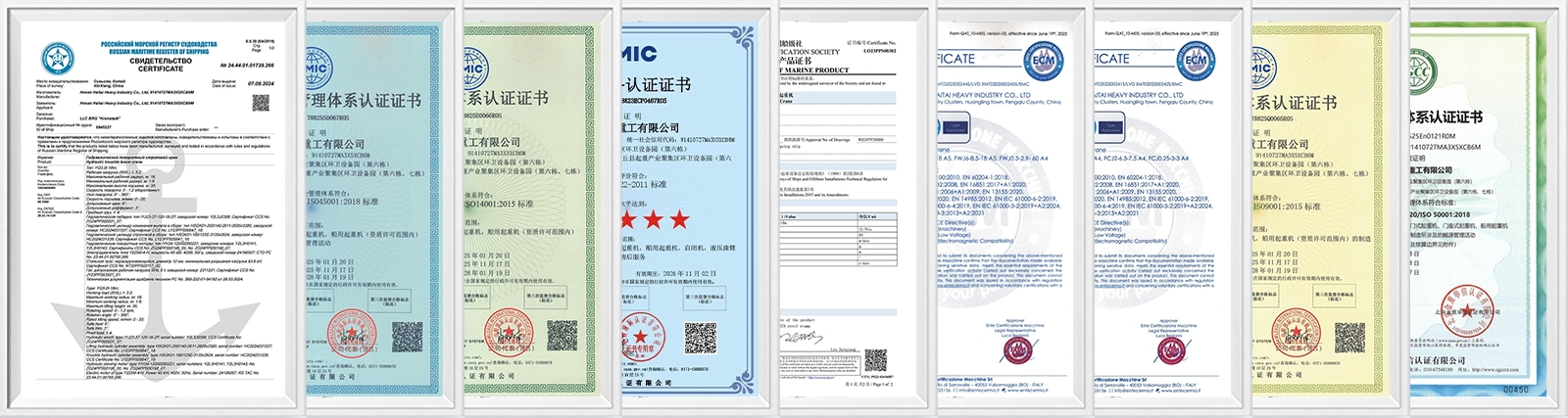
All cranes are designed, manufactured, tested, and documented to the crane rules of the applicable classification society: ABS, DNV, BV, CCS, or Lloyd’s Register. This includes structural design review, load testing, and ongoing inspection documentation for the operating vessel’s certification.

④ Corrosion Protection for Marine Environments

Multi-layer marine-grade coating system applied to all structural steel:

  • Abrasive blast cleaning: Sa 2.5
  • Zinc-rich epoxy primer (minimum 60 µm DFT)
  • Epoxy intermediate coat
  • Anti-fouling or polyurethane topcoat for above-waterline surfaces
  • Hot-dip galvanizing or equivalent on wire rope fittings and hardware

⑤ Hydraulic and Diesel-Electric Drive Options

  • Hydraulic drive: Compact power density; reliable in salt-water environments; standard for medium-capacity barge cranes
  • Diesel-electric: Engine runs at a constant efficient load point; suitable for large-capacity systems where energy efficiency over extended operations is a priority
  • Electro-hydraulic: Combines electric motor drive with hydraulic transmission for precise, low-noise operation

⑥ Dynamic Positioning for Offshore Applications

DP1, DP2, and DP3 classified dynamic positioning systems are available for floating crane vessels operating in offshore environments where anchor mooring is impractical or where station-keeping precision is required during lifts. DP classification is project-specific and confirmed during engineering.


Applications

Shipyard Docking and Undocking Operations

Floating dock cranes are the primary lifting tool in shipyards that operate floating dry docks. The crane lifts vessels — or major hull sections — during docking, undocking, block assembly, and launch operations. Barge-mounted slewing cranes serve medium-capacity shipyard work; larger sheerleg systems serve heavy ship sections and complete vessels.

Port Construction and Infrastructure Installation

Port expansion projects require lifting prefabricated caissons, sheet pile sections, mooring dolphins, and quay wall elements into position over water. A floating dock crane positioned alongside the construction front provides precise placement capability that shore-based equipment cannot reach.

Offshore Wind Foundation Installation

Monopile foundations and transition pieces for offshore wind turbines require lift capacities in the hundreds of tonnes, placed precisely at offshore locations. Large floating crane vessels — including purpose-built semi-submersible heavy lift ships — are the primary installation tool for this application.

Ship Salvage Operations

Raising a sunken, grounded, or damaged vessel requires floating crane capacity, underwater access, and the ability to position alongside the casualty regardless of shore access. Floating crane systems — sometimes operating in tandem for the heaviest salvage lifts — are the standard tool for marine salvage operations globally.

Bridge and Coastal Infrastructure Construction

Prefabricated bridge segments, pier structures, and waterway crossing elements are lifted and placed by floating crane from the water surface. This approach minimizes traffic disruption on shore and provides access to locations where temporary land-based crane pads cannot be established.

Offshore Oil and Gas Platform Support

Platform jackets, module installations, and heavy equipment lifts during offshore field development require floating crane capacity positioned at the installation site. Crane vessels with DP capability maintain position during lifts without mooring infrastructure in open water.

River and Inland Waterway Projects

Canal construction, lock gate replacement, dam infrastructure, and river bridge construction all involve lifting operations over water where shore access is limited. Smaller floating cranes — on pontoon hulls sized for the waterway — provide access to these confined environments.

Floating Dock Crane Floating Crane 2 1

Floating Dock Crane vs Shore-Based Crane

FactorFloating Dock CraneShore-Based Crane
Location flexibilityFully mobile — any accessible waterwayFixed to land — quayside access required
Water coverageLifts directly over water surfaceLimited by boom reach from shore
Infrastructure requirementSelf-sufficient — hull is the platformRequires crane pad, rail, or runway
Maximum capacityUp to 1000 t (specialist vessels)Typically limited by structural foundation
Offshore capabilityYes — with DP or anchor mooringNo
Operational cost structureDay-rate project deploymentCapital asset with fixed operating cost
Best forOffshore construction, salvage, port worksRoutine quayside cargo handling

Why Choose HaiTai Crane

Backed by 20+ years of manufacturing experience and exports to 80+ countries, HaiTai Crane delivers CE and ISO 9001:2015 certified lifting solutions to ports, shipyards, and marinas worldwide. From standard configurations to fully engineered custom builds, our technical team tailors every crane to your site conditions and operational requirements.

Leon
10+ Years Exp.
5,000+ Customers
50+ Countries

Simon

Crane Solutions Specialist  ·  HT Crane

Specialized in Gantry Crane, Port Crane, Container Crane , Marine Boat Crane & Overhead Crane export solutions. 10+ years helping global clients with pre-sales consultation, capacity selection and site-specific configurations.

Honor & Certificates

Service

Pre-Sales Technical Consultation
Our engineering team reviews your yard layout, throughput requirements, and infrastructure before recommending a configuration. We provide technical proposals, layout drawings, and load calculations — at no cost — before you commit to a purchase.
Factory Acceptance Testing (FAT)
All cranes undergo full load testing at our factory before shipment. Buyers are welcome to witness FAT in person or via live video. Test reports and certificates are issued upon completion.
Installation & Commissioning
Our on-site service team handles full crane erection, electrical commissioning, and system integration at your facility. Commissioning includes operator training and handover documentation.
Spare Parts Supply
We maintain a global spare parts inventory for all crane models we supply. Critical components — spreaders, hoist motors, VFD drives, PLC modules — are available for dispatch within 48–72 hours. Long-term supply agreements are available for fleet operators.
Preventive Maintenance Programs
We offer annual maintenance contracts covering inspections, lubrication, wear part replacement, and safety audits. Remote diagnostics via our crane monitoring platform allows early identification of faults before they cause unplanned downtime.
Warranty
Standard warranty: 24 months from commissioning date covering structural, mechanical, and electrical components under normal operating conditions. Extended warranty and service contracts available.

Why Choose Us

Powerful Strength
Our products are factory direct sales with guaranteed quality. They sell well all over the country and have received good feedback from customers multiple times!
Experienced
Our products are factory direct sales with guaranteed quality. They sell well all over the country and have received good feedback from customers multiple times!
Quality Assurance
Our products are factory direct sales with guaranteed quality. They sell well all over the country and have received good feedback from customers multiple times!
Worry Free Service
Our products are factory direct sales with guaranteed quality. They sell well all over the country and have received good feedback from customers multiple times!

Frequently Asked Questions

For any unanswered questions, reach out to oursupport team via email. We'll respond as soon aspossible to assist you.
What classification society certification does a floating dock crane require?
The applicable classification society depends on the flag state of the crane vessel and its operating area. The major societies are ABS (USA), DNV (Norway), BV (France), CCS (China), and Lloyd's Register (UK). Each publishes specific crane rules covering structural design, load testing, and periodic inspection. For offshore operations in regulated areas, additional requirements may apply — including DP classification for the hull and compliance with local coastal state regulations. Classification society requirements should be specified during the inquiry stage so they can be incorporated into the engineering design from the outset. Attempting to add classification compliance after manufacturing is technically complex and expensive.
What is the difference between a slewing floating crane and a sheerleg crane?
A slewing floating crane has a rotating upper structure — the boom can swing through 360 degrees, allowing the crane to lift at any bearing from the hull without repositioning. This is the most operationally flexible configuration and is the standard choice for shipyard and port construction applications. A sheerleg crane uses a fixed A-frame or bipod structure with a lifting block at the apex. It cannot slew — the hull must be positioned and the mooring adjusted to align the lift axis. In exchange for that constraint, a sheerleg achieves higher vertical lift capacity for a given structural weight. Sheerleg configurations are the standard design for the very heaviest offshore installation lifts.
Can a floating dock crane operate in open offshore conditions?
Yes, but the crane and hull must be specifically designed and rated for the intended offshore sea state. Standard barge-mounted cranes designed for sheltered harbor and shipyard use are not rated for open offshore conditions — they have operating sea state limits that are appropriate for calm or sheltered water. Offshore floating crane vessels designed for open-water operations incorporate larger, more stable hull forms, higher-rated structural designs, active heave compensation, and — for the most demanding applications — dynamic positioning. The intended operating environment, including maximum operating sea state and wave height, must be specified during the engineering phase so the crane and hull are correctly configured.
What is active heave compensation and when is it needed on a floating crane?
Active heave compensation (AHC) is a system that uses real-time hull motion data — from accelerometers and motion reference units — to drive the hoisting mechanism in the opposite direction of hull heave. This neutralizes the effect of wave-induced vertical motion on the lifted load. Without AHC, a hull heaving in swell imposes uncontrolled vertical motion on the load, making precision lifts dangerous and creating shock loads on both the crane structure and the object being lifted. AHC is specified when the crane will perform precision lifts in conditions where wave-induced heave cannot be avoided — subsea equipment installation, offshore platform maintenance, and any operation where load stability is safety-critical at the deployment sea state.
How is a floating dock crane transported to the project site?
Smaller and medium-capacity floating cranes are typically towed between locations by tugboats. The crane hull is not self-propelled; it requires tug assistance for ocean transit and positioning at the work site. Larger crane vessels — including semi-submersible heavy lift ships — are self-propelled, equipped with their own propulsion and, in some cases, dynamic positioning. For project deployments to international destinations, the crane vessel may be transported as cargo on a heavy transport vessel (float-on/float-off or semi-submersible transport ship) to reduce transit time and exposure to ocean conditions during delivery. The appropriate transport method depends on the hull size, the transit distance, and the sea conditions of the delivery route.

Message

Feel Free to Contact Us

Contact Form
Please specify your requirement by referring to the following aspects:
  • Which crane product do you need?
  • What is the maximum lifting capacity (in tons) required for your project?
  • Could you specify the lifting height (in meters) needed?
  • Can you provide details on the working environment, such as ground conditions, space limitations, and any obstacles?
  • What is the expected frequency of use and the duration of the project?

related products

STS Crane Ship-to-Shore Container Handling at Scale
STS Crane — Ship-to-Shore Container Handling at Scale

Container terminals run on throughput. Every hour a vessel spends at berth waiting for cargo moves is an hour of revenue lost — for the shipping line, the terminal operator, and the port authority. The pressure to move boxes faster, handle larger vessels, and keep equipment running around the clock is constant and only increasing. A ship-to-shore crane is the front line of that operation. It’s the machine that determines how quickly a vessel is turned around, how many moves per hour the terminal can deliver, and whether the port can handle the next generation of Ultra-Large Container Vessels coming into service. What Is an STS Crane? An STS crane — short for ship-to-shore crane — is a large rail-mounted gantry crane positioned at the quayside of a container terminal. It lifts containers directly between the vessel’s deck and the dock, using a spreader bar that locks onto standard ISO container corner castings. The boom extends out over the vessel to reach across multiple container rows, then retracts when vessels need to pass. Lift height, outreach, and under-beam clearance are…

Read More
floating crane installing offshore platform equipment
Floating Crane — Heavy-Lift Solution for Marine and Offshore Projects

Heavy lifting on water comes with problems that land-based equipment simply can’t solve. Fixed cranes need permanent infrastructure. Mobile cranes can’t reach offshore worksites. And standard barges don’t have the lift capacity for serious marine construction, salvage, or port development work. A floating crane solves all three — bringing certified heavy-lift capability directly to the worksite, wherever that happens to be. HT CRANE floating cranes are built to CCS standards and available with ABS, BV, and DNV certification. Custom lifting capacity, working radius, and power configurations are available to match your specific project requirements. If you’re looking for a floating crane for sale that’s certified, proven, and configurable, you’re in the right place. What Is a Floating Crane A floating crane is a heavy-lift crane mounted on a pontoon or barge, designed to operate directly on water. It requires no permanent shore infrastructure, making it the go-to solution for marine construction, salvage, offshore installation, and waterway projects where conventional cranes simply can’t reach. Most units support both hook and grab attachments, adapting to different cargo types and task requirements on…

Read More
slewing portal boom crane bulk cargo terminal
Portal Crane — Heavy-Lift Slewing Solution for Ports & Shipyards

What Is a Portal Crane? If you work at a port, shipyard, or bulk terminal, you’ve almost certainly seen a portal crane in action. It’s the large slewing crane mounted on a fixed or rail-mounted base that covers both the water and land side of a dock without ever needing to move its foundation. The boom luffs up and down to reach different distances, while the upper structure rotates a full 360° — making it one of the most versatile heavy-lift solutions available. Depending on the job, it can be fitted with a hook for general cargo or a grab for bulk materials like coal, ore, and grain. HT CRANE’s slewing portal crane and portal boom crane series meet CCS, ABS, BV, and DNV standards — so whether you’re outfitting a shipyard or running a busy bulk terminal, there’s a configuration built for your operation. Key Features of Portal Crane Every port is different. Every cargo mix is different. portal cranes are built with the features that matter most — reliable slewing performance, flexible attachment options, and certified structural integrity…


Read More
Top