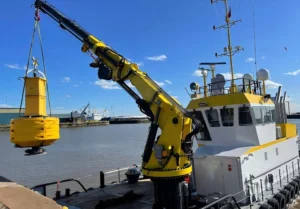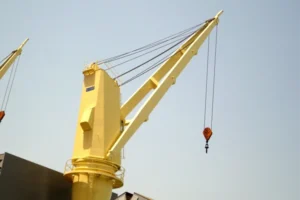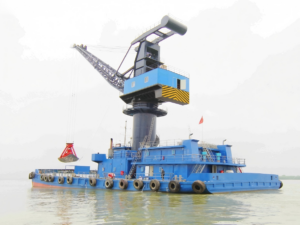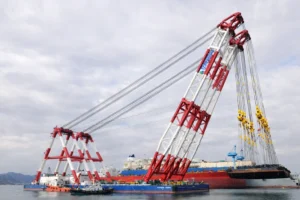

Heavy lifting on water comes with problems that land-based equipment simply can’t solve. Fixed cranes need permanent infrastructure. Mobile cranes can’t reach offshore worksites. And standard barges don’t have the lift capacity for serious marine construction, salvage, or port development work. A floating crane solves all three — bringing certified heavy-lift capability directly to the worksite, wherever that happens to be. HT CRANE floating cranes are built to CCS standards and available with ABS, BV, and DNV certification. Custom lifting capacity, working radius, and power configurations are available to match your specific project requirements. If you’re looking for a floating crane for sale that’s certified, proven, and configurable, you’re in the right place. What Is a Floating Crane A floating crane is a heavy-lift crane mounted on a pontoon or barge, designed to operate directly on water. It requires no permanent shore infrastructure, making it the go-to solution for marine construction, salvage, offshore installation, and waterway projects where conventional cranes simply can’t reach. Most units support both hook and grab attachments, adapting to different cargo types and task requirements on…

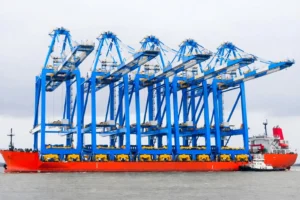
Container terminals run on throughput. Every hour a vessel spends at berth waiting for cargo moves is an hour of revenue lost — for the shipping line, the terminal operator, and the port authority. The pressure to move boxes faster, handle larger vessels, and keep equipment running around the clock is constant and only increasing. A ship-to-shore crane is the front line of that operation. It’s the machine that determines how quickly a vessel is turned around, how many moves per hour the terminal can deliver, and whether the port can handle the next generation of Ultra-Large Container Vessels coming into service. What Is an STS Crane? An STS crane — short for ship-to-shore crane — is a large rail-mounted gantry crane positioned at the quayside of a container terminal. It lifts containers directly between the vessel’s deck and the dock, using a spreader bar that locks onto standard ISO container corner castings. The boom extends out over the vessel to reach across multiple container rows, then retracts when vessels need to pass. Lift height, outreach, and under-beam clearance are…

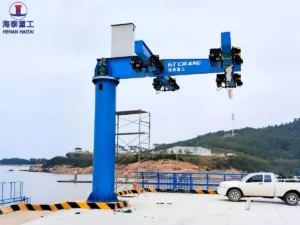
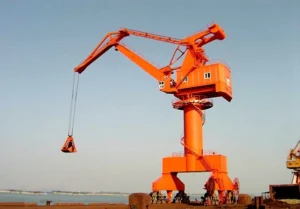
What Is a Portal Crane? If you work at a port, shipyard, or bulk terminal, you’ve almost certainly seen a portal crane in action. It’s the large slewing crane mounted on a fixed or rail-mounted base that covers both the water and land side of a dock without ever needing to move its foundation. The boom luffs up and down to reach different distances, while the upper structure rotates a full 360° — making it one of the most versatile heavy-lift solutions available. Depending on the job, it can be fitted with a hook for general cargo or a grab for bulk materials like coal, ore, and grain. HT CRANE’s slewing portal crane and portal boom crane series meet CCS, ABS, BV, and DNV standards — so whether you’re outfitting a shipyard or running a busy bulk terminal, there’s a configuration built for your operation. Key Features of Portal Crane Every port is different. Every cargo mix is different. portal cranes are built with the features that matter most — reliable slewing performance, flexible attachment options, and certified structural integrity…
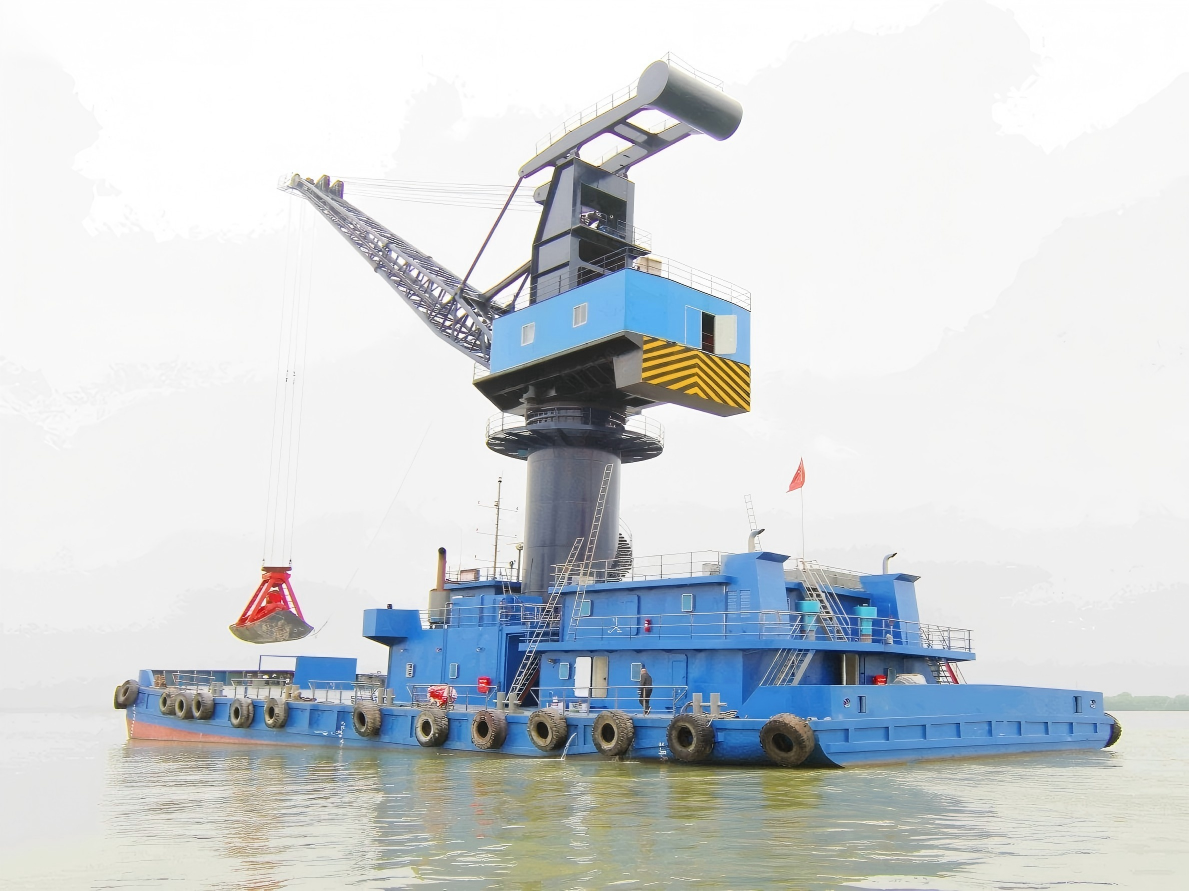
If you manage a marina, boatyard, or naval facility, you know the frustrations: vessels waiting endlessly for maintenance, docks that aren’t designed for heavy loads, and cranes that aren’t suited for waterborne operations. A Floating Dock Crane solves all these problems in one versatile machine. It lifts, moves, and positions vessels safely — without permanent dock modifications, without hull damage, and without slowing down your workflow. This page covers everything you need to evaluate a Floating Dock Crane: how it operates, where it performs best, what sets ours apart, and the complete technical specifications. When you’re ready to specify a unit, our engineering team responds to enquiries within 24 hours, helping you get the right crane for your facility. Product Introduction A Floating Dock Crane is a heavy-duty lifting system mounted on a barge, pontoon, or dedicated floating platform. It provides mobile, high-capacity lifting capability directly over water — without requiring fixed quayside infrastructure or shore-based crane access. Unlike a shore-mounted crane, a floating dock crane moves with its hull. It can be towed or self-propelled to any accessible waterway…
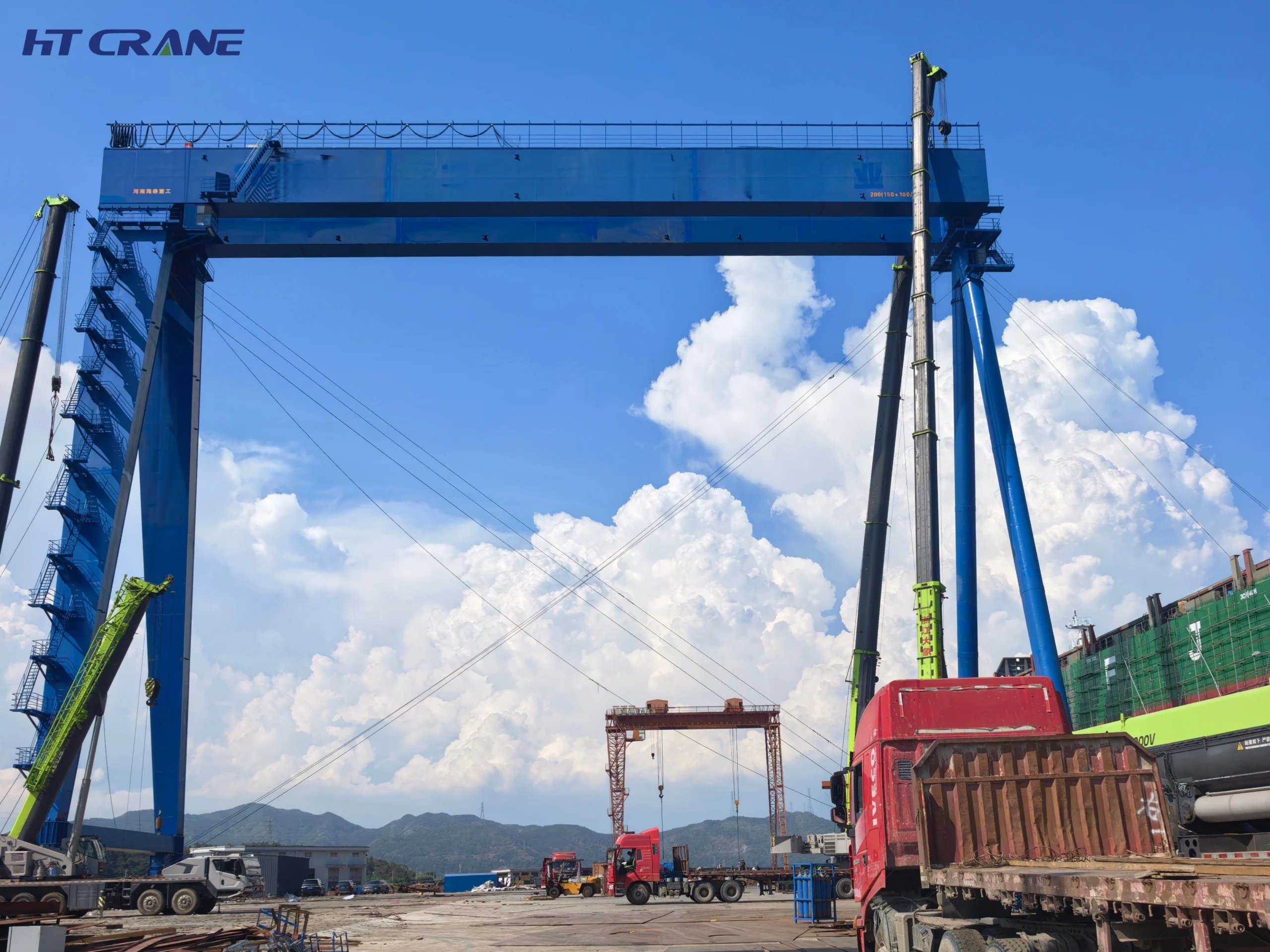
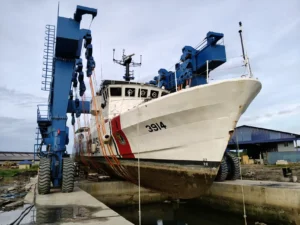
A shipyard without the right gantry crane is not a shipyard — it is a steel fabrication yard with ambition. The gantry crane defines what a yard can build, how large a vessel it can handle, and how fast production moves from block assembly to launch. An undersized or poorly specified crane becomes the bottleneck that limits every other investment in the facility. Shipyard gantry cranes are among the most technically demanding lifting machines in any industrial sector. They span widths of 80–170 metres, lift loads of 100–3000 tonnes, and operate in a marine environment that subjects every structural and electrical component to continuous salt-air corrosion. Getting the specification right from the outset determines whether the crane serves the yard reliably for 30 years or becomes a source of unplanned downtime that disrupts the production schedule. Product Description What Is a Shipyard Gantry Crane? A shipyard gantry crane — also called a goliath crane, portal gantry crane, or shipbuilding gantry crane — is a large double-leg gantry structure that spans the full width of a shipbuilding berth, drydock, or block…