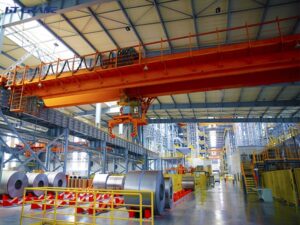

What Is Steel Mill Crane? Steel mill cranes always operate in the most demanding environments in any industrial sector. The loads are heavy, the duty cycles are relentless, and the consequences of crane downtime reach directly into production output. A crane that fails during a pour, a tap, or a charging sequence does not just incur repair cost — it disrupts the entire production line downstream. Getting the right steel mill crane into the right position in a steel facility is not a single decision. Different areas of the mill handle different materials in different ways. The raw material storage yard has different requirements from the casting bay. The scrap charging area is nothing like the finished product warehouse. Each zone demands a crane type matched to the specific task, duty class, and operating environment. QD General Purpose Double Girder Overhead Crane The QD double girder overhead steel mill crane is the workhorse of the indoor steel facility. It is a standard double girder overhead crane designed for general heavy lifting — maintenance tasks, equipment replacement, coil and slab handling…

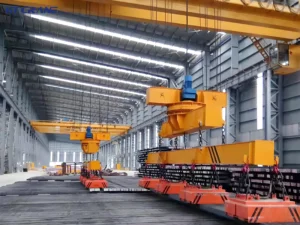
Manual rigging in a steel handling facility wastes time on every single lift. A rigger on the ground, a chain or sling, a hook attachment — then reverse the process at the other end. In a facility completing hundreds of lifts per shift, this labor overhead compounds into a significant operating cost. More critically, every manual rigging cycle puts a person directly beneath a suspended load. A magnetic overhead crane eliminates both problems. The electromagnet is built into the crane. The operator energizes the magnet from the cabin, picks up the steel load, travels to the deposit point, and releases. No ground crew. No slings. No manual contact with the load. The full cycle is completed by one person from a safe elevated position. This page covers all three areas you need to make a purchase decision: product design and features, technical parameters, and application scenarios across the industries where magnetic overhead cranes are most commonly used. Product Description What Is a Magnetic Overhead Crane? A magnetic overhead crane — classified as QC type under Chinese national standard GB/T 14406…
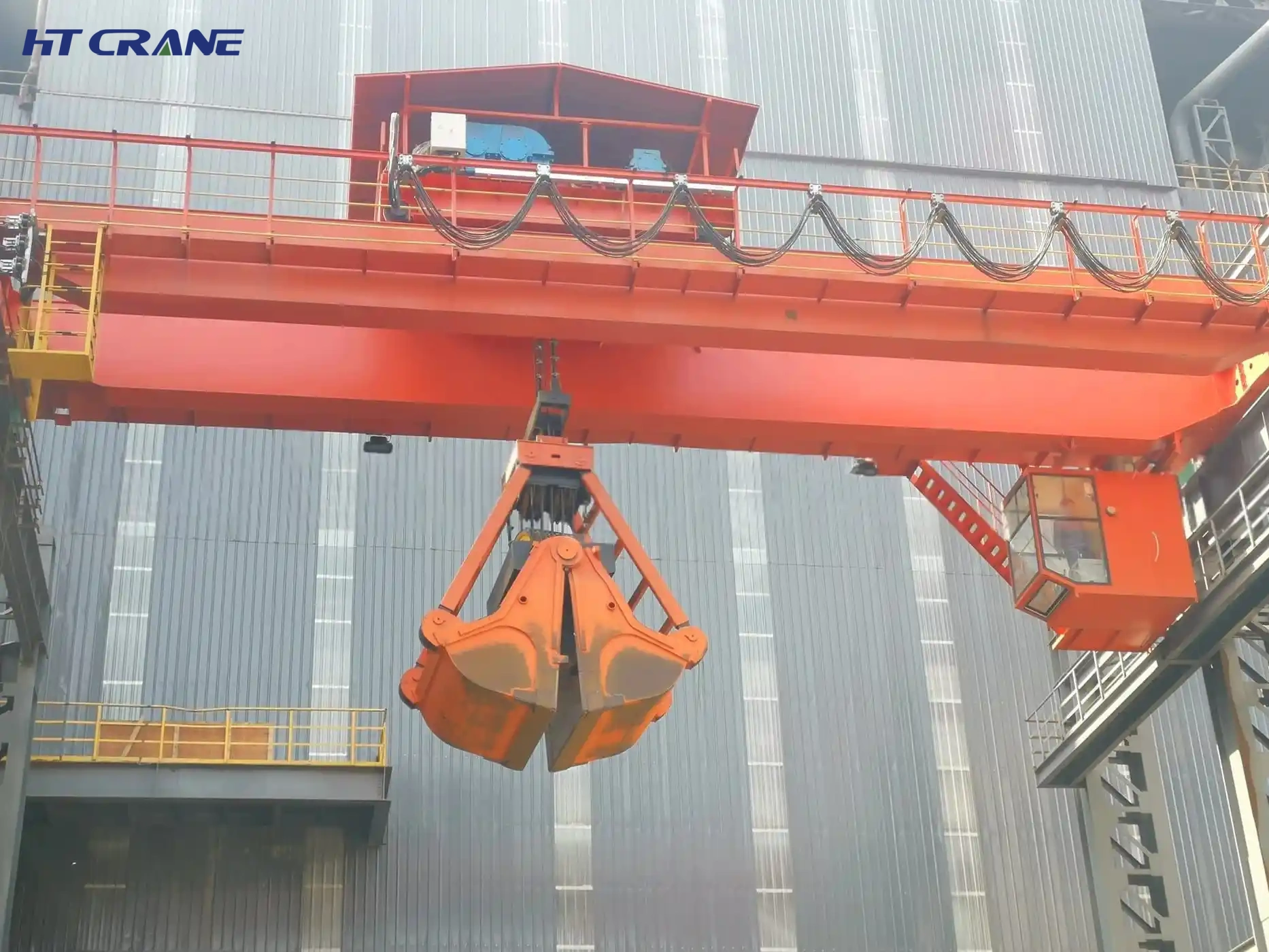
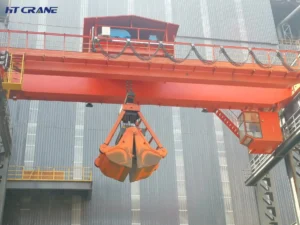
Manual rigging slows bulk material operations down and ties up labor that could be better used elsewhere. An overhead grab crane eliminates that problem entirely. The crane lifts, moves, and releases bulk material — coal, scrap metal, ore, sand, grain — without any manual load attachment. One operator handles the full cycle from the cabin. For facilities handling bulk materials repeatedly across a large floor area, an overhead grab crane is not just a convenience. It is the right tool for the job — designed from the structural level up for the high-cycle, high-wear demands of continuous bulk handling. A standard overhead crane running grab operations will reach the end of its structural fatigue life years ahead of schedule. A purpose-built grab crane is designed to last. This page gives you the full picture: what an overhead grab crane is, how the different grab types compare, what the key specifications mean, and what to verify before you commit to a purchase. What Is an Overhead Grab Crane? An overhead grab crane is a double girder overhead crane fitted with an…
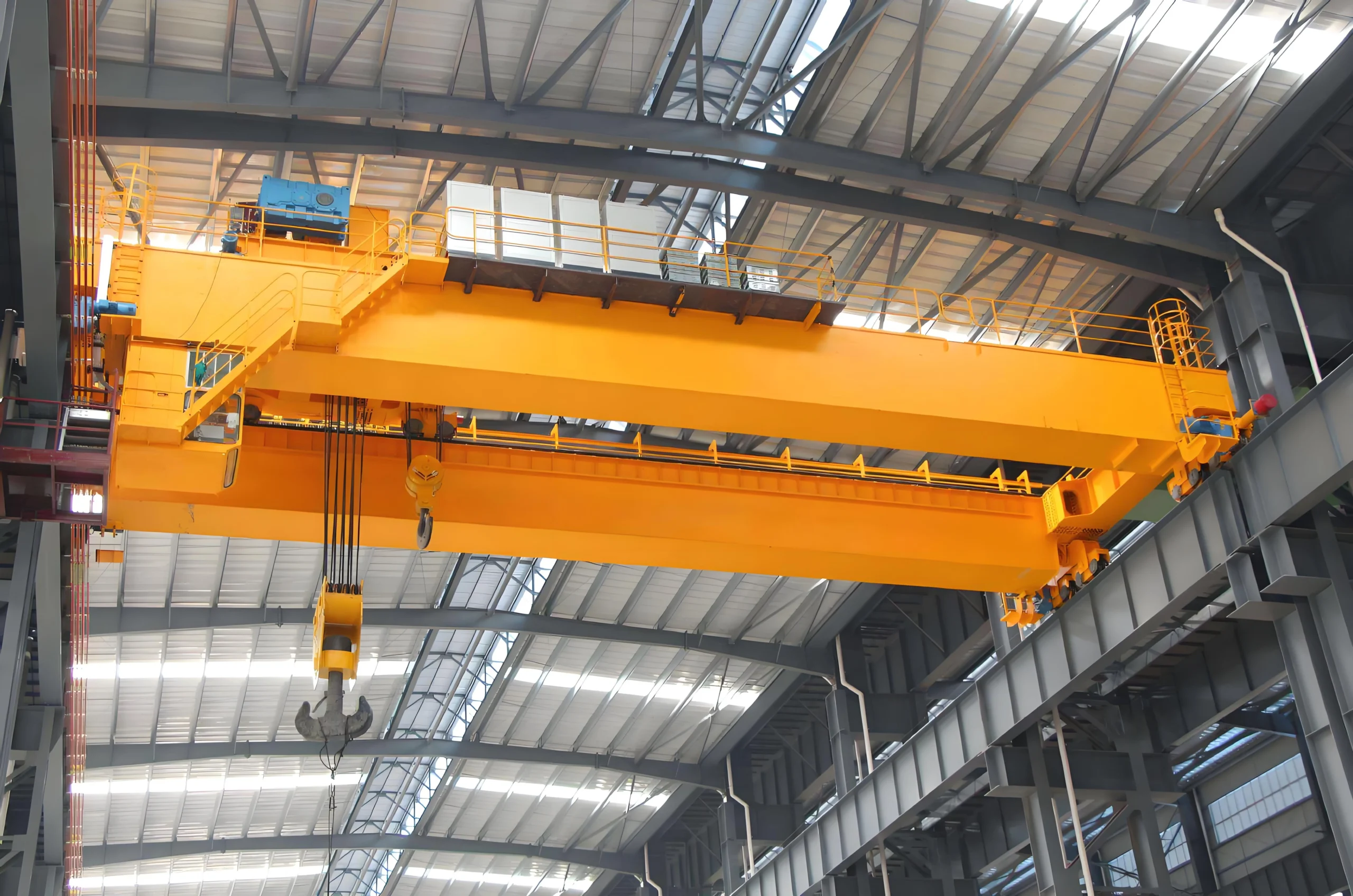
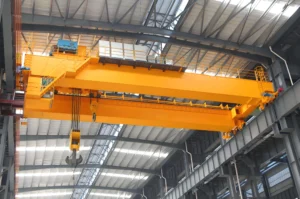
Because the load is too heavy, the span too wide, or the operating environment too demanding — a double girder overhead crane is the answer. Two main girders share the structural load, allow a top-running hoist trolley, and deliver the hook height, capacity, and duty cycle performance that heavy industrial operations require. The challenge for buyers is that “double girder overhead crane” covers multiple very different machine types. each is designed for a specific operating environment or load type. Specifying the wrong type creates safety risk, regulatory non-compliance, or a crane that fails prematurely because it was not built for the conditions it faces. This page covers six types in a single reference. By the end, you will know what distinguishes each model, where it belongs, and which one matches your operation — before you speak to any supplier. What Is a Double Girder Overhead Crane? The Structural Foundation A double girder overhead crane uses two parallel main girders spanning the building width. End trucks at each end run on elevated runway rails attached to the building structure. The hoist…