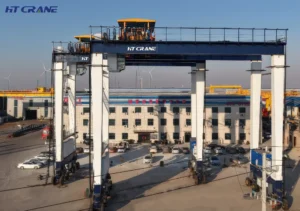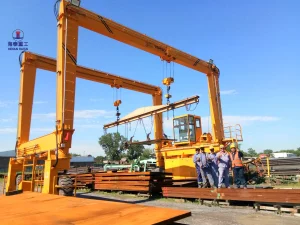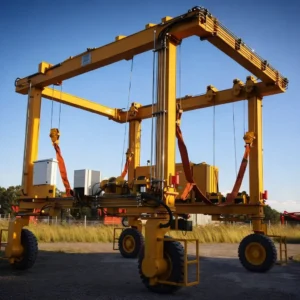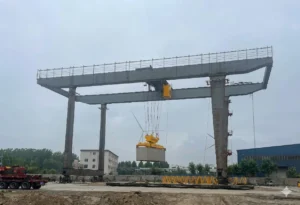
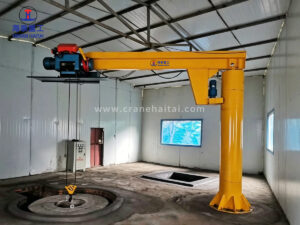
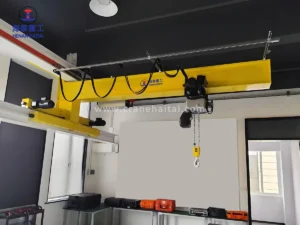
Single girder vs double girder overhead crane — this is one of the most common decisions in industrial equipment procurement, and also one of the most consequential. Pick the wrong type, and you may end up with a crane that is oversized for your needs, or one that cannot safely handle your actual workloads.
This guide cuts through the technical noise. You will find a clear breakdown of what each crane type offers, where each performs best, and the practical factors that should guide your final decision. No unnecessary jargon, no unsupported claims — just the details that matter when you are comparing specifications and making a budget case.
Both crane types serve the same fundamental purpose: moving loads horizontally across a fixed span inside a facility. The differences lie in how they are built, what they can lift, how intensively they can work, and what kind of maintenance access they provide. Understanding those differences is the starting point for any sound selection.
Single Girder vs Double Girder Overhead Crane: Key Structural Differences
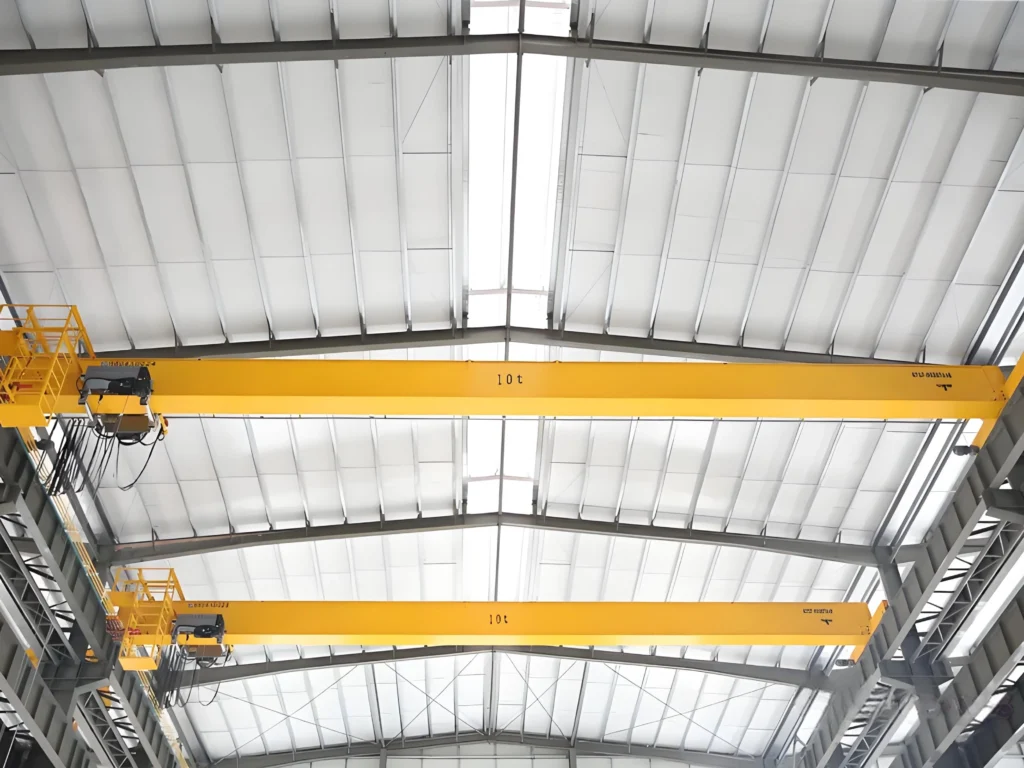
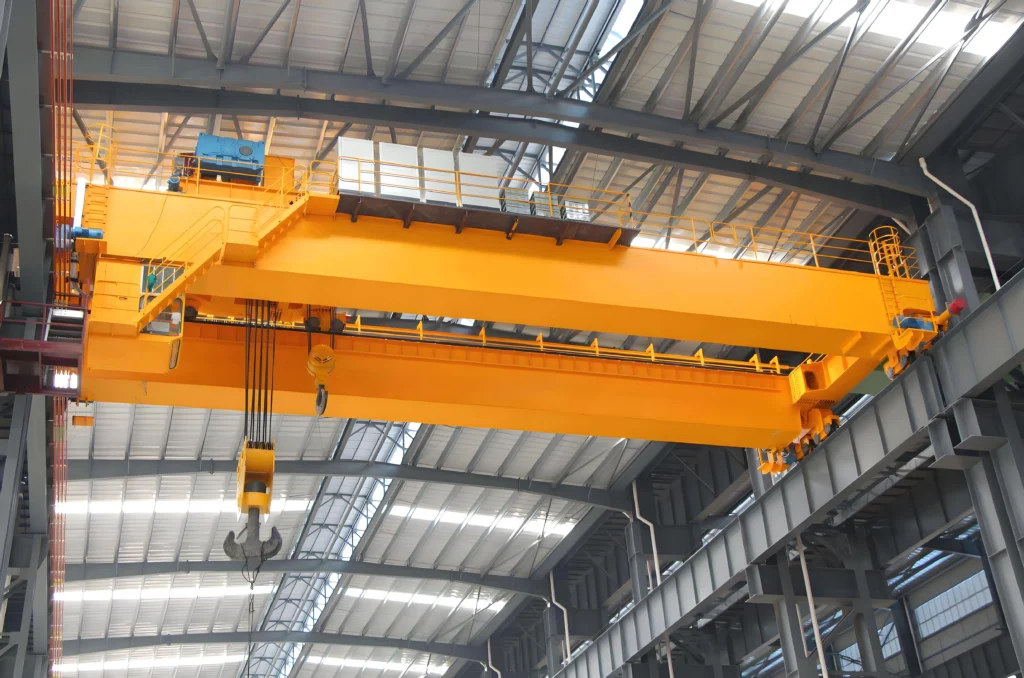
The most visible difference between these two crane types is the number of main girders that span the width of the bay. This seemingly simple distinction has significant downstream effects on capacity, headroom, trolley design, and installation requirements.
Single Girder Crane: Construction and Design
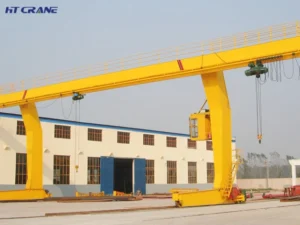
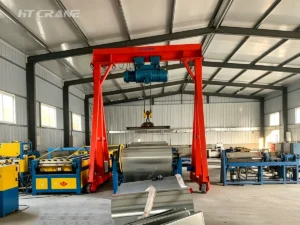
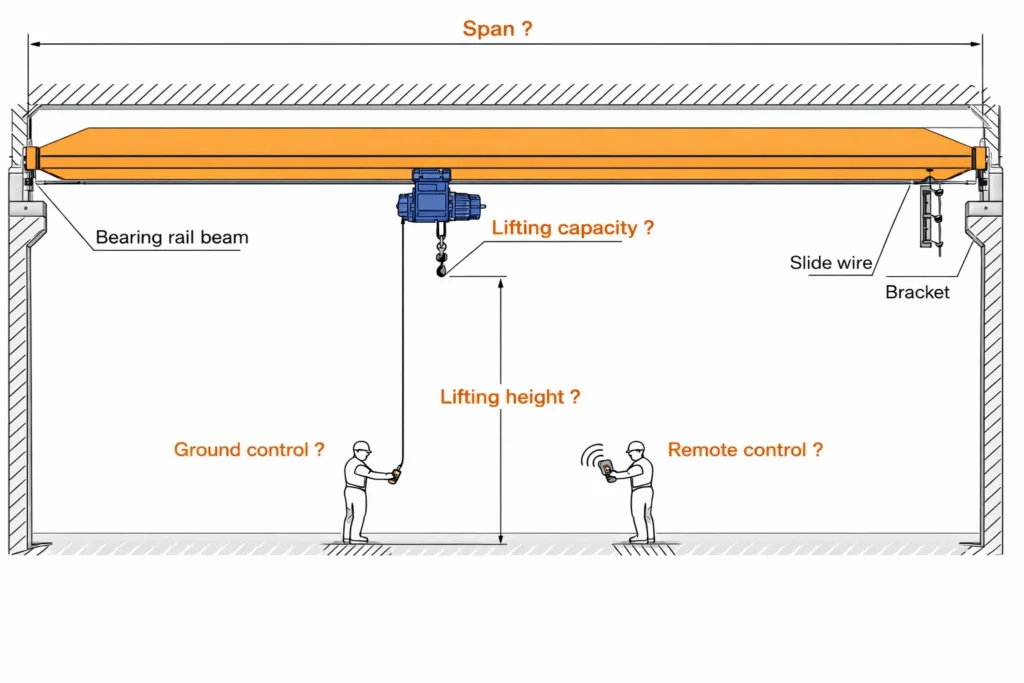
A single girder crane uses one main beam — typically a hot-rolled I-beam combined with a U-channel — as the primary load-bearing structure. The electric hoist travels along the bottom flange of this beam. End carriages connect the main girder to the runway rails on both sides of the bay.
The result is a compact, lightweight assembly. For a 5-tonne unit with a 7.5-metre span, the total crane weight typically falls around 2.2 tonnes. That low self-weight reduces the structural load placed on the building’s columns and runway beams — which matters when working in older facilities not originally designed for heavy overhead lifting.
Single girder cranes are designed to the JB/T 1306 standard for electric single-girder cranes and classified under work duty classes A3 and A4. This means they are suited to light and moderate duty cycles with intermittent use, not continuous heavy production environments.
Double Girder Crane: Construction and Design
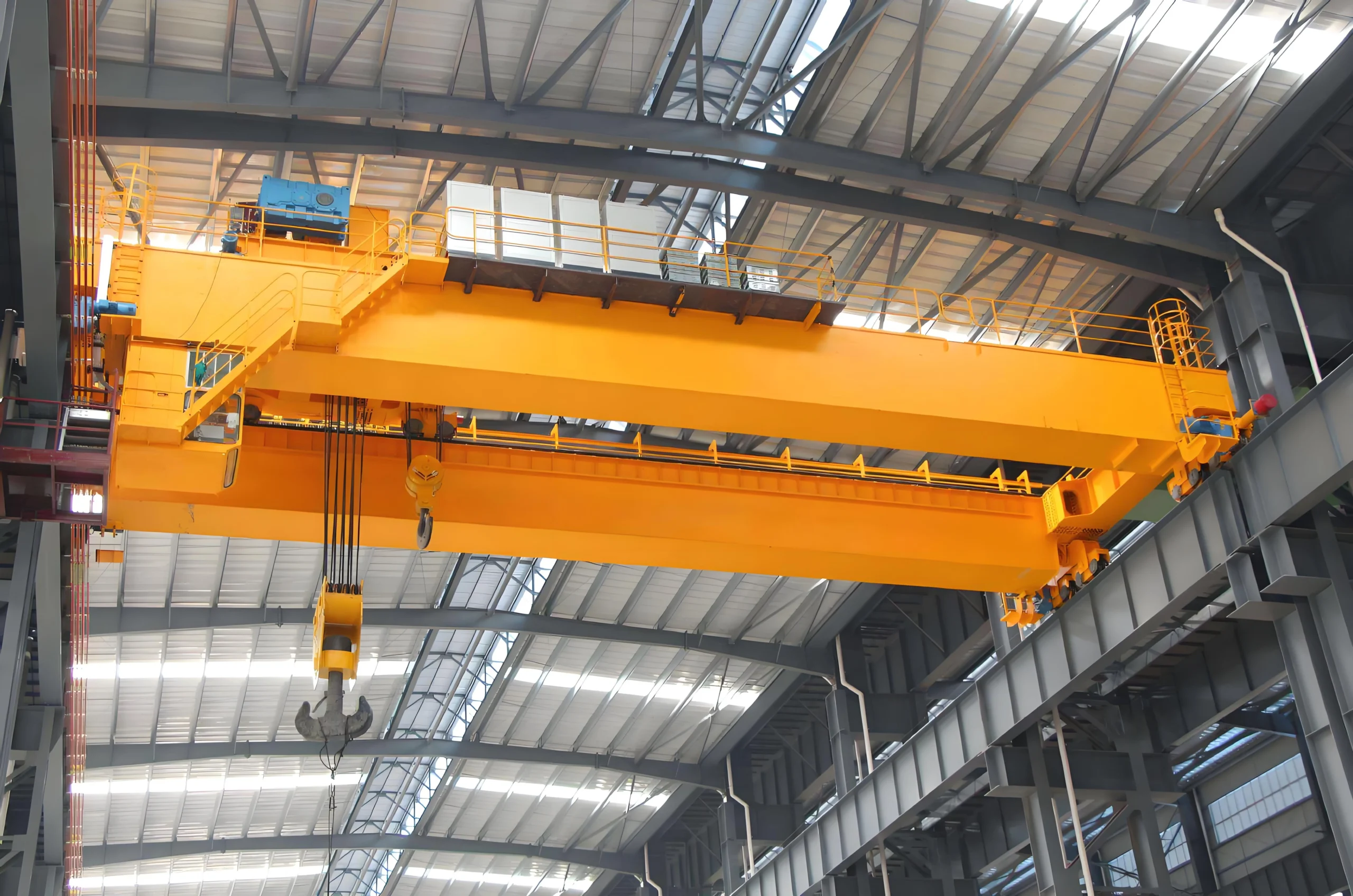
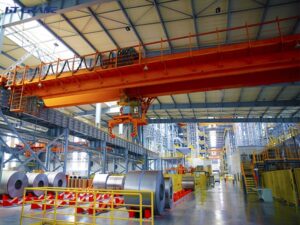
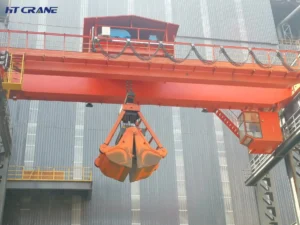
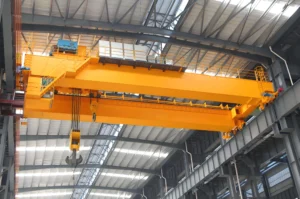
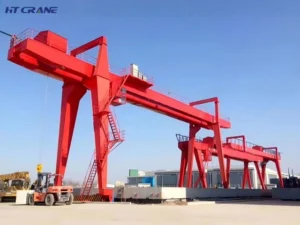
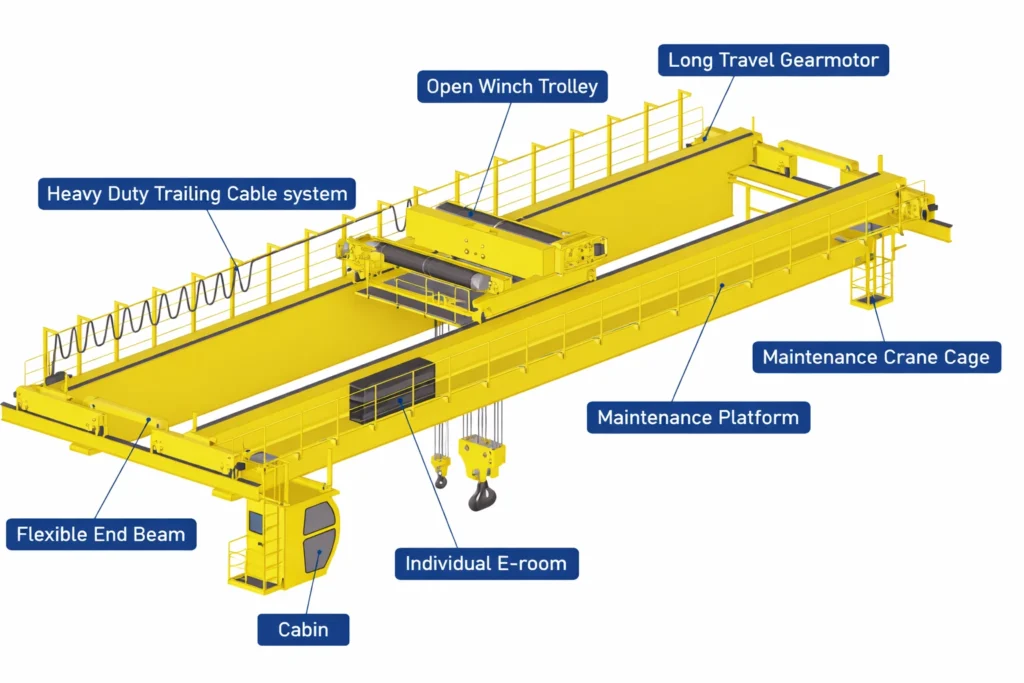
A double girder crane uses two parallel welded box-section girders as the main bridge structure. The trolley travels on top of rails mounted on these girders rather than hanging below them. This design distributes loads more evenly, provides greater rigidity, and allows for significantly higher lifting capacities.
The steel used in double girder construction is comparable to international grades Fe37 or Fe52. Main welds are typically executed with automated submerged-arc welding processes and subjected to non-destructive testing (NDT) to verify integrity. The bridge is usually split into two sections for transport and assembled on site.
Double girder cranes are built to work duty classes A5 and A6, with A7 available for the most demanding applications — including the handling of molten metal in metallurgical plants. This classification reflects a crane designed for frequent, high-cycle operation over extended service life.
Key Structural Takeaway: In any single girder vs double girder overhead crane comparison, the core trade-off is between simplicity and low structural weight on one side, and rigidity, capacity, and sustained duty performance on the other. The choice is not simply about lifting more weight — it is also about how often and how intensively the crane will work.
Lifting Capacity and Span: How the Numbers Compare
Capacity and span are usually the first figures a procurement team looks at when evaluating a single girder vs double girder overhead crane. Here is how the two types differ in practice.
Single Girder Overhead Crane: Light to Medium Loads
Single girder cranes typically cover lifting capacities from 1 tonne to 20 tonnes, with spans ranging from 7.5 metres to 28.5 metres and lift heights up to 30 metres. The electric hoist — commonly a CD1 or MD1 model — handles the vertical lift.
Maximum wheel loads scale gradually with span and capacity. A 5-tonne unit at a 7.5-metre span produces a maximum wheel load around 28.7 kN, rising to approximately 47.9 kN at a 28.5-metre span. These figures determine what runway beam and column sizing your building will need. Single girder cranes keep those numbers manageable, which is one reason they are common in standard warehouses and assembly facilities not originally engineered for heavy overhead lifting.
Double Girder Overhead Crane: Medium to Ultra-Heavy Loads
Double girder cranes typically start at 5 tonnes and scale up to 550 tonnes. Spans range from 10.5 metres to 31.5 metres. Many configurations use a main hook and an auxiliary hook on the same trolley — for example, a 50/10t unit or a 100/20t configuration.
At the 100/20t capacity level, maximum wheel loads range from approximately 320 kN to 397 kN across span configurations, and the recommended runway rail steps up to QU100 heavy-duty crane rail. Total installed power for a 100-tonne unit typically falls between 136 kW and 154 kW depending on span. These are not figures that a light industrial building can accommodate without significant structural preparation.
Side-by-Side Comparison Table
| Criterion | Single Girder (LD) | Double Girder (QD) |
|---|---|---|
| Main Structure | Single I-beam + U-channel | Two welded box-section girders (NDT verified) |
| Lifting Capacity | 1 t – 20 t | 5 t – 550 t (main + auxiliary hook options) |
| Span Range | 7.5 m – 28.5 m | 10.5 m – 31.5 m |
| Lift Height | Up to 30 m | Up to 30 m |
| Work Duty Class | A3, A4 (light / moderate) | A5, A6; A7 available (heavy / very heavy) |
| Hoist Type | Electric hoist (bottom-running) | Open winch trolley (top-running) |
| Drive System | Independent drives / QS trinity drive | Centralised drive, circular-arc gear reducer |
| Speed Control | Non-contact VFD module | Optional VFD (ratio 1:10+), PLC control |
| Operator Control | Pendant or remote control | Pendant, remote, or enclosed operator cabin |
| Maintenance Access | No dedicated walkway | Walkway, maintenance cage, separate E-room |
| Building Load Impact | Low (light self-weight) | High (heavier structure, QU70–QU100 rail) |
| Typical Applications | Warehouses, general assembly, stockyards | Heavy machining, metallurgy, casting shops |
| Certifications | CE, ISO, EAC | CE, ISO, EAC |
Operational Factors Worth Considering
Headroom and Building Height
Single girder cranes hang the hoist below the main beam, meaning the hook can approach closer to the underside of the girder. In buildings with limited headroom, this tends to be an advantage over a double girder overhead crane, which runs the trolley on top of the girders and typically requires more overall building height. If your facility has a fixed roof structure, headroom constraints may influence which option is viable before any other factor is considered.
Duty Cycle and Shift Patterns
Work duty class is arguably the most under-appreciated factor when comparing a single girder vs double girder overhead crane. A crane specified at A3 or A4 is engineered for a relatively low number of operating cycles over its design life. Using it in a high-frequency production environment — multiple shifts per day, continuous lifting — will accelerate wear and may affect safety and maintenance intervals.
If your operation runs two or three shifts and the crane is a critical production tool rather than an occasional handling aid, the A5 or A6 classification of a double girder crane reflects mechanical and electrical components genuinely sized for sustained, demanding use. This is not over-engineering — it is appropriate specification.
Maintenance and Inspection Access
Double girder cranes include a dedicated maintenance walkway along the bridge, an inspection cage, and a separate electrical room (E-room). Safety switches are fitted on the walkway access doors and end-beam railings. This makes periodic inspections and component servicing significantly more practical and safer for maintenance personnel.
Single girder cranes have simpler maintenance requirements overall, but inspection still needs to follow a regular schedule. The key focus areas are the connections between the main girder and end carriages, bolt torque checks, and lubrication of wheel bearings and gear systems on manufacturer-specified cycles.
Prohibited Environments
Both crane types share the same environmental prohibitions. Neither should be operated in environments that are easily combustible, explosive, or highly corrosive — including acid, alkali, electroplating, or steam-heavy environments. Single girder units additionally prohibit lifting molten metal or toxic, flammable, or explosive materials. Those tasks are reserved for specially rated double girder cranes at A7 duty class with additional safety provisions.
Note for Procurement: Both crane types operate on standard 3-phase 380V / 50Hz power supply and are rated for ambient temperatures from −25°C to +40°C, humidity below 85%, and altitudes under 1,000 metres. These parameters can typically be adjusted by the manufacturer for non-standard site conditions.
How to Choose Between a Single Girder and Double Girder Overhead Crane
Selection is rarely about one single factor. In most procurement decisions, a combination of capacity, duty frequency, building constraints, and operational complexity points clearly toward one option.
When a Single Girder Overhead Crane Tends to Make Sense
- Your maximum load is consistently below 20 tonnes and unlikely to grow significantly
- The crane handles occasional lifts rather than being a continuous production tool
- Your building has limited headroom or lower structural capacity in the runway beams and columns
- You need a practical, straightforward solution for a warehouse, stockyard, or light assembly operation
- Ground pendant or radio remote control is acceptable — no operator cabin is needed
When a Double Girder Overhead Crane Tends to Make Sense
- Loads exceed 20 tonnes, or your process requires a main hook and auxiliary hook on the same trolley
- The crane will run multiple shifts per day in a high-cycle production environment
- Your facility is a metallurgical, casting, or heavy machining plant where crane downtime has direct production impact
- An operator cabin is required for safety, visibility, or regulatory reasons
- You need advanced speed control, PLC integration, load monitoring, or fault-logging systems
One Often-Overlooked Factor: Future Growth
Future capacity growth deserves consideration before finalising a specification. If your production volumes are likely to increase over a 10–15 year equipment life, designing for a double girder overhead crane at the outset — even if current loads fall within the single-girder range — may avoid a costly crane replacement or runway modification later. This is not always the right call, but it is worth a deliberate conversation at the specification stage rather than after the runway beams have been installed.
Summary and Key Takeaways
When comparing a single girder vs double girder overhead crane, both types are well-proven solutions. The right choice depends on your specific operational profile rather than any inherent superiority of one type.
- Match duty class to your actual operating frequency — not just your peak load
- Factor in building structural capacity before finalising specifications
- Consider headroom requirements, especially in facilities with constrained vertical clearance
- Think about maintenance access: double girder cranes provide significantly better long-term serviceability
- For loads above 20 tonnes or high-frequency production environments, a double girder overhead crane is generally the more appropriate direction
If you are at early specification stage, having your bay width, maximum load, and shift pattern ready will allow any reputable crane supplier to give you a technically grounded recommendation. These three data points are usually enough to anchor a meaningful conversation and narrow the field quickly.

Frequently Asked Questions
Can a single girder crane be upgraded to a higher capacity later?
In most cases, a single girder crane cannot be structurally upgraded to significantly higher capacities without effectively replacing the crane. The main girder, end carriages, wheels, and runway structure are all sized for the original design load. If there is a credible chance your capacity needs will grow beyond 15–20 tonnes within the equipment’s service life, choosing a double girder overhead crane from the start is generally more economical than planning a replacement project later.
What does work duty class actually mean in practical terms?
Work duty class (A3 through A7, aligned with ISO and FEM standards) reflects the total number of load cycles a crane is designed to handle over its service life, combined with the proportion of time it operates at or near rated capacity. A3 suits a crane used occasionally for light loads. A6 suits a crane running frequently in a demanding production environment. Specifying a lower duty class than your operation demands will accelerate component wear and may create maintenance and safety concerns over time.
Are both crane types covered by international certifications?
Reputable manufacturers supply both single girder and double girder overhead cranes with CE marking, ISO management system certifications, and — for certain markets — EAC certification for CIS countries. CE marking is particularly relevant for buyers in European markets or for projects where European standards are contractually specified. Always request copies of relevant certificates and verify their scope against your specific crane model and configuration.
How often do overhead cranes typically require major maintenance?
Maintenance frequency depends on duty class and operating hours. General guidance suggests wheel bearings should be inspected and lubricated quarterly, with oil changes every three months for wheel bearings and every six months for gearboxes. Structural connections — particularly the bolted joints between the main girder and end carriages — should be checked at each scheduled inspection. Brake components and limit switches should be inspected regularly in high-duty applications. Manufacturer-specific schedules always take precedence over general guidelines.
What information should I have ready when requesting a crane quotation?
The most useful information to prepare includes: maximum lifting capacity and whether a secondary hook is needed, bay span (centre-to-centre distance between runway rails), required lift height, estimated operating cycles per shift, number of shifts per day, ambient conditions (temperature range, humidity, any corrosive elements), power supply specification, and control requirements (pendant, remote, cabin). The more precisely these are defined, the more accurate and comparable the quotations you receive will be.