
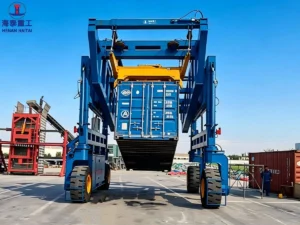
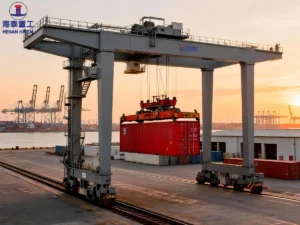
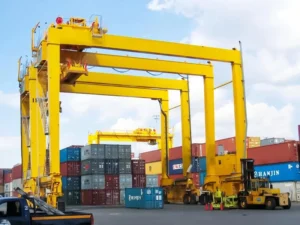
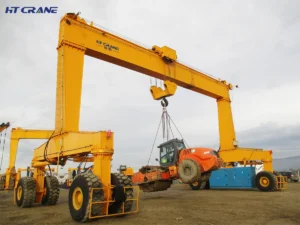
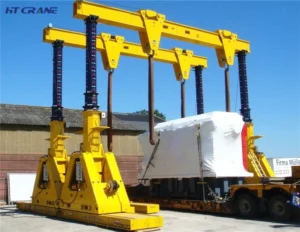
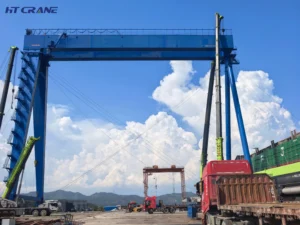
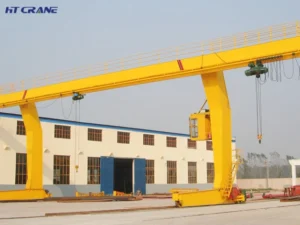
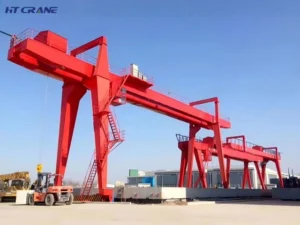
Choosing the wrong gantry crane type can cost your operation weeks of downtime and significant budget overruns. The good news? Once you understand the key differences between full gantry, semi-gantry, double girder, and single girder cranes, the right choice becomes much clearer.
This guide is written for procurement managers and site engineers who need a straight-forward breakdown — no jargon, no guesswork. By the end, you’ll know which configuration suits your load capacity, workspace, and budget, and why that decision matters more than most buyers realize.
Let’s start with the most common source of confusion: structural type vs. girder configuration. These are two separate decisions, and mixing them up leads to mismatched equipment.
Full Gantry vs. Semi Gantry: Which Structure Fits Your Site?
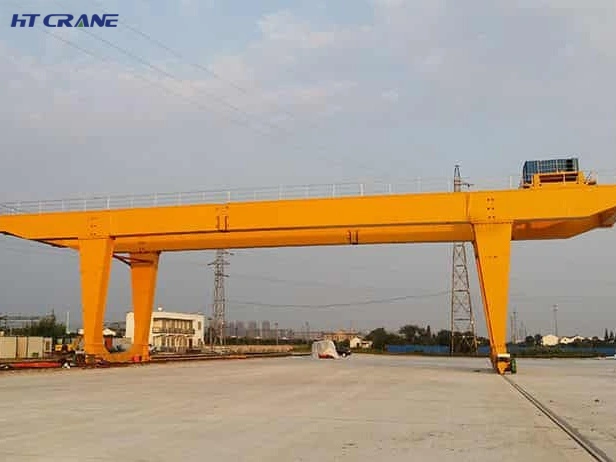
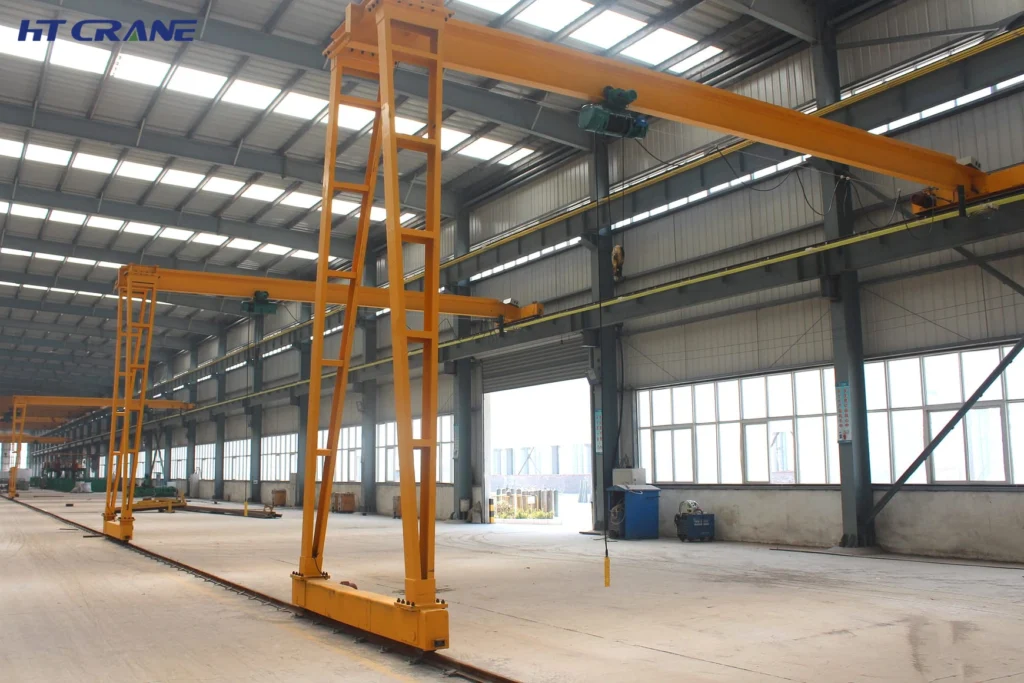
The first decision is about the crane’s support structure — specifically, how it interfaces with your facility or outdoor yard.
Full Gantry Crane
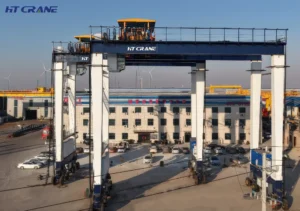
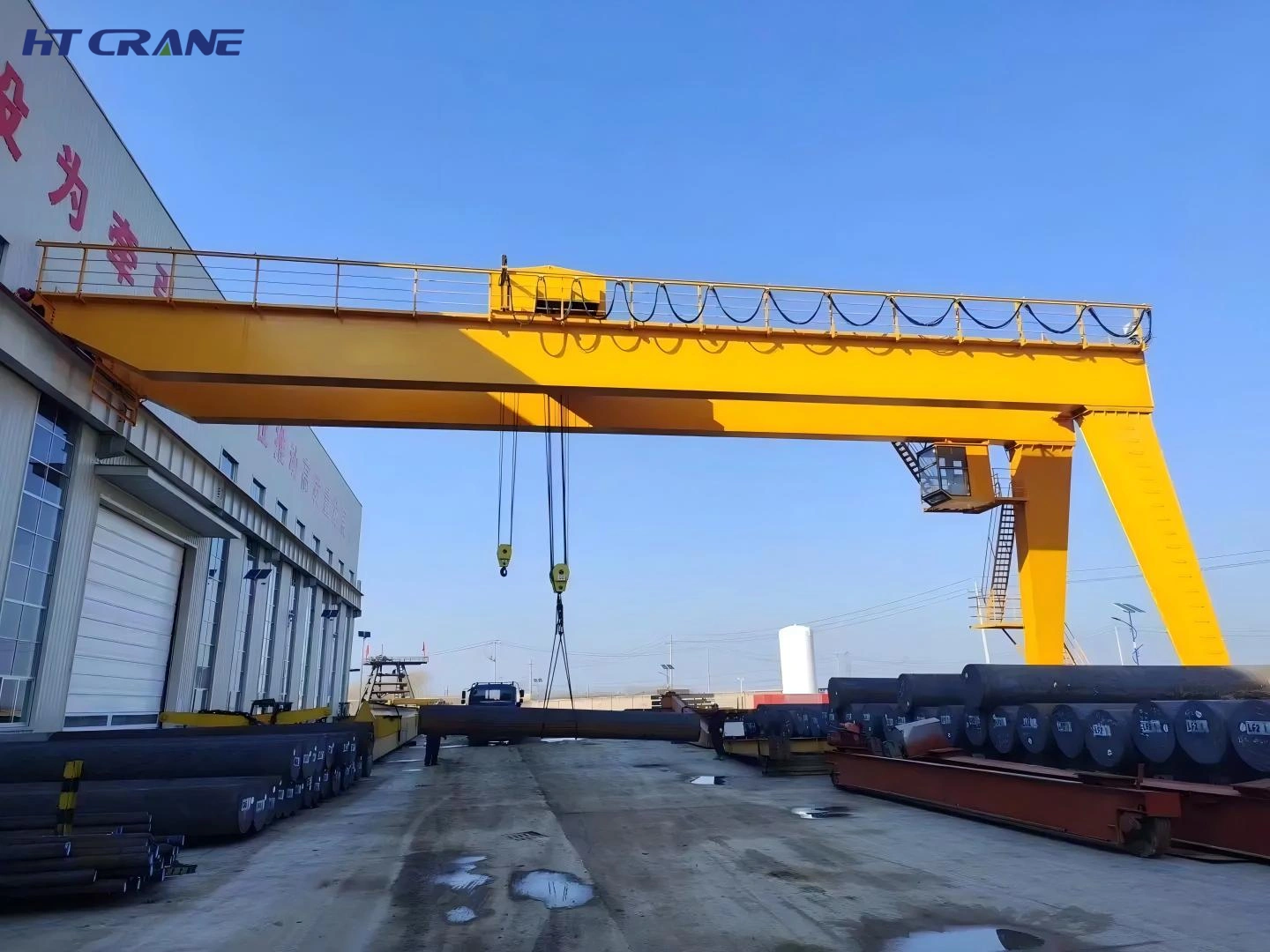
A full gantry crane runs on ground-level rails on both sides. Both legs are freestanding. This makes it ideal for outdoor yards, shipyards, precast concrete plants, and open storage facilities where no overhead structure exists.
Full gantry cranes are highly flexible in terms of span. Industrial versions typically handle spans from 10m to 35m, with lifting capacities ranging from 5 tons to over 500 tons for heavy-duty port models. Because they don’t rely on building columns or roof structures, installation is more straightforward in open environments.
Best for: Outdoor use, large spans, heavy loads, facilities without overhead support structures.
Semi Gantry Crane
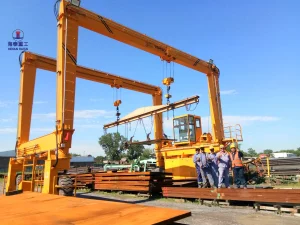
A semi gantry crane has one leg on the ground rail and the other end supported by an elevated runway beam attached to a wall or column. This hybrid design is a space-saving solution for facilities where floor space is constrained on one side.
Semi gantry cranes are commonly used in workshops, assembly plants, and storage areas where one wall can bear the runway load but a full overhead crane system isn’t cost-effective to install. They reduce the footprint of the crane system significantly.
Best for: Indoor facilities with limited floor space, workshops with one load-bearing wall, operations needing partial overhead support.
| Feature | Full Gantry | Semi Gantry |
|---|---|---|
| Support Type | Both legs on ground | One leg on ground, one elevated |
| Ideal Environment | Outdoor / open yards | Indoor / space-limited workshops |
| Typical Span | 10m – 35m+ | 6m – 20m |
| Installation Cost | Moderate | Lower (uses existing structure) |
Single Girder vs. Double Girder: The Capacity Divide
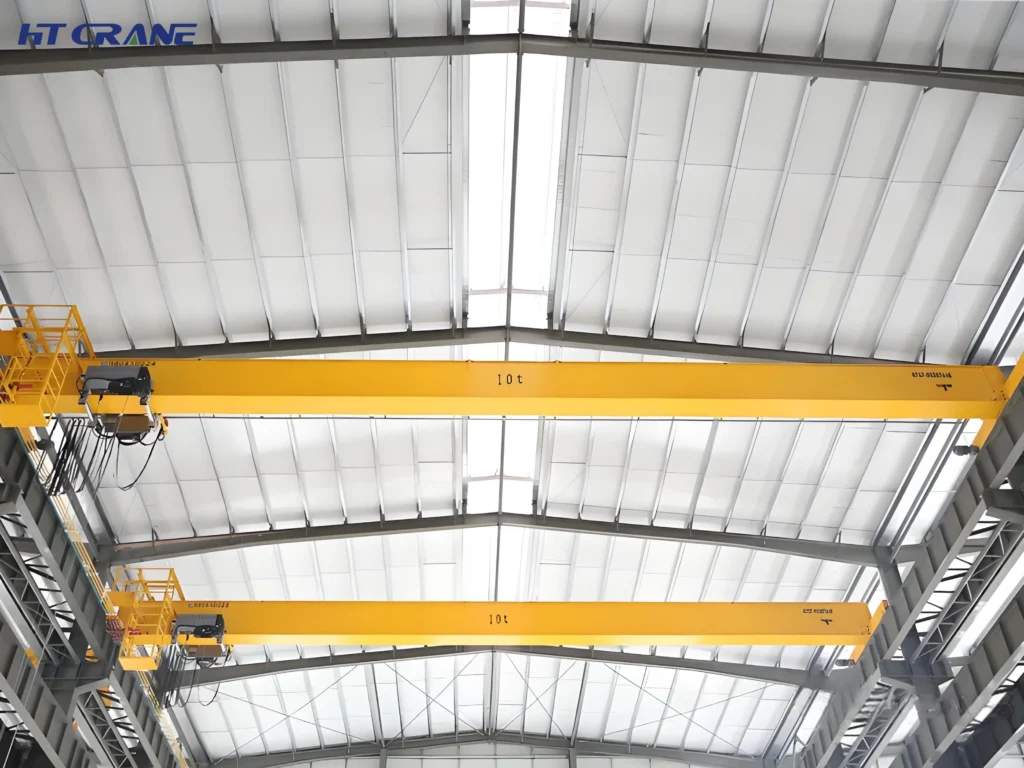
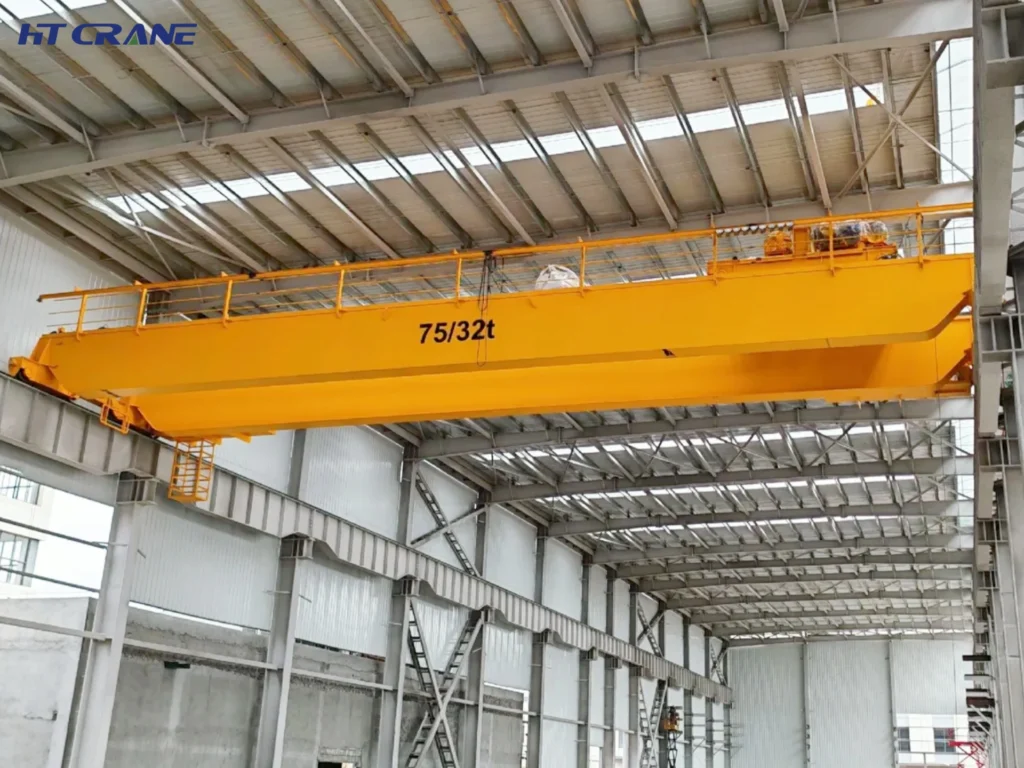
Once you’ve selected your structural type, the next decision is the girder configuration. This choice directly affects lift height, load capacity, and long-term maintenance.
Single Girder Gantry Crane
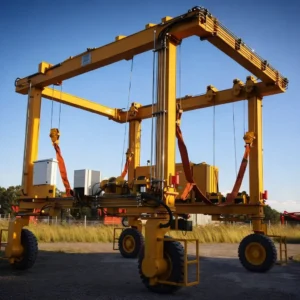
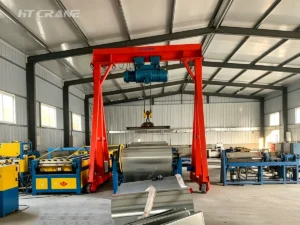
A single girder gantry crane uses one main beam running across the span. The hoist travels along the bottom flange of this beam. It’s simpler, lighter, and lower-cost than double girder designs.
Single girder models typically handle loads up to 20 tons, though most common applications fall in the 1–10 ton range. Because the hoist hangs below the girder, the hook height is somewhat reduced compared to double girder cranes — an important consideration when ceiling or headroom is limited.
These cranes comply with standards such as FEM 1.001 and ISO 4301, which classify them under light to medium duty cycles. They’re a practical choice for maintenance shops, warehouses, and facilities with moderate, intermittent lifting needs.
Best for: Light to medium loads (under 20t), cost-sensitive projects, facilities with height restrictions.
Double Girder Gantry Crane
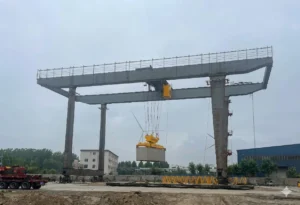
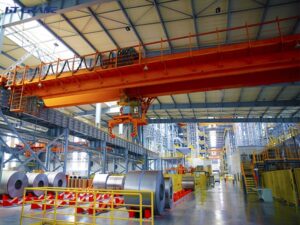
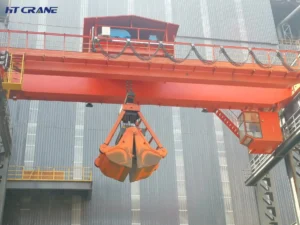
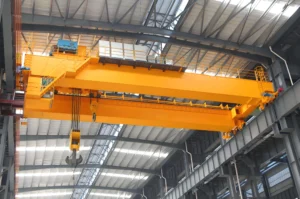
A double girder gantry crane uses two parallel main beams. The hoist sits on top of the girders and travels along a rail mounted between them. This design offers greater hook height, higher load capacity, and a more rigid structure.
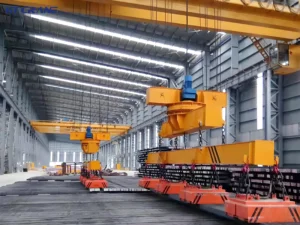
Double girder configurations are the standard for heavy-duty applications — steel plants, heavy manufacturing, port equipment, and precast yards. Capacities typically start around 10 tons and can reach 500 tons or more in specialized models. The top-running hoist also allows better use of available vertical space, which is critical when lifting tall loads or working under a fixed ceiling.
Structurally, double girder cranes are more rigid and better suited to frequent, heavy-cycle operations classified under FEM duty groups A5–A8.
Best for: Heavy loads (10t and above), high-frequency operations, applications requiring maximum hook height.
| Feature | Single Girder | Double Girder |
|---|---|---|
| Load Capacity | Up to 20t (typical) | 10t – 500t+ |
| Hook Height | Lower (hoist below girder) | Higher (hoist on top rail) |
| Structural Rigidity | Moderate | High |
| Duty Cycle | Light – Medium | Medium – Heavy |
| Upfront Cost | Lower | Higher |
| Maintenance Access | Limited | Better (walkway on girder) |
How to Match Crane Type to Your Application
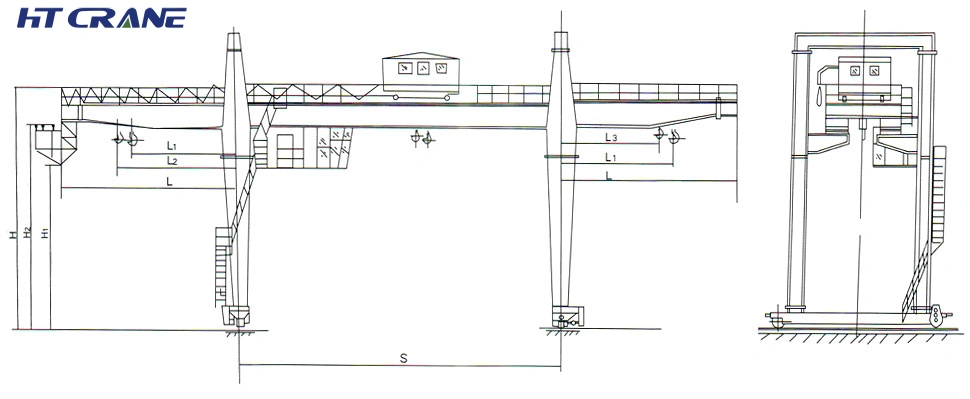
Understanding the four configurations is only half the job. The real skill is matching them to your actual operating conditions.
Load and Frequency Analysis
Start with your maximum lift weight and daily lift cycles. If you’re moving loads over 20 tons or running more than 100 lifts per day, double girder is the baseline — not a premium option. Undersized cranes in high-cycle environments wear out faster and create safety risks.
Workspace and Infrastructure Review
Measure your available span, rail gauge options, and headroom carefully before finalizing specs. A full gantry in a semi-enclosed yard may need wind load ratings (typically designed for wind speeds up to 20m/s for outdoor units per ISO 4302). A semi gantry depends on the structural capacity of your existing wall — always verify with a structural engineer before procurement.
Duty Classification
Reference the FEM 1.001 or ISO 4301 duty group system when specifying your crane. This classification accounts for load spectrum and daily operating hours. Selecting a crane with a duty group below your actual use is one of the most common and costly procurement mistakes.
Key Standards and Certifications to Look For
When sourcing gantry cranes, always confirm compliance with the following:
- FEM 1.001 – European standard for crane duty classification
- ISO 4301 – International standard for crane classification
- EN 15011 – European standard for bridge and gantry cranes
- CE Marking – Required for cranes sold or operated in the EU
Reputable manufacturers will provide full documentation. Request load test certificates and third-party inspection reports as part of your procurement checklist.
Summary and Action Steps
Choosing between gantry crane types doesn’t have to be complicated. Follow this decision path:
- Outdoor or no overhead structure? → Full gantry
- Indoor with one load-bearing wall? → Semi gantry
- Load under 20t, light duty? → Single girder
- Load over 10t, heavy or frequent use? → Double girder
These four configurations cover the vast majority of industrial applications. The key is to base your decision on verified site data — span, headroom, load weight, and daily lift cycles — not assumptions.
If you’re still weighing options, the next step is to request a site-specific load analysis from your supplier. A qualified crane manufacturer should provide this before quoting — if they don’t, that’s a red flag.

FAQ
Q1: Can a single girder gantry crane be used outdoors?
Yes, single girder gantry cranes can be designed for outdoor use, but several factors must be addressed. The structure needs to be rated for wind loads per ISO 4302, and the electrical components require weatherproofing (minimum IP54 rating). Outdoor single girder units are common in smaller yards or maintenance areas. However, for heavy outdoor applications — such as port operations or precast yards — double girder designs are generally more appropriate due to their higher structural rigidity and load capacity.
Q2: What is the typical lifespan of a gantry crane?
With proper maintenance and correct duty classification, a well-built gantry crane typically operates for 20 to 30 years. Lifespan depends heavily on usage frequency, load cycles, and maintenance intervals. Cranes that are routinely overloaded or operated beyond their FEM duty group rating will experience significantly shorter service life and higher repair costs. Regular inspection per local regulations and manufacturer schedules is the single most effective way to extend operational life.
Q3: How do I decide between a full gantry and an overhead bridge crane for indoor use?
The main factors are span, column-free floor space requirements, and installation cost. Overhead bridge cranes require a building structure capable of supporting the runway beams — this adds structural cost but frees up floor space entirely. Full gantry cranes run on floor-level rails, which can restrict movement in busy work areas. If your facility already has strong overhead structure and you need full floor flexibility, bridge cranes often win. If you’re in a new or open facility, full gantry cranes are usually faster and more cost-effective to install.
Q4: Is CE certification mandatory for gantry cranes?
CE certification is legally required for all lifting equipment sold or put into service within the European Economic Area, under the EU Machinery Directive 2006/42/EC. This includes gantry cranes of all sizes. CE marking confirms that the crane meets essential health and safety requirements. Outside the EU, equivalent certifications may apply — for example, OSHA standards in the US or GB standards in China. Always verify the required certification framework for your operating country before purchasing.
Q5: What maintenance schedule should I follow for a gantry crane?
Maintenance frequency depends on duty classification and local regulations, but a general framework includes: daily visual checks before each shift (hooks, ropes, limit switches), monthly inspection of structural connections and brake systems, and annual or bi-annual full structural inspection by a certified engineer. Most manufacturers provide a maintenance manual aligned with FEM or ISO standards. Skipping scheduled maintenance is the leading cause of premature component failure and is a significant safety liability.