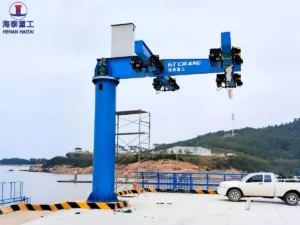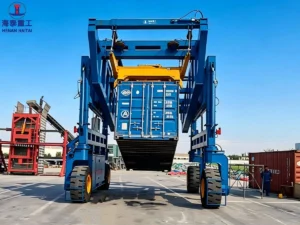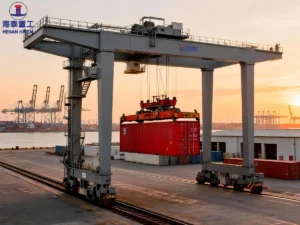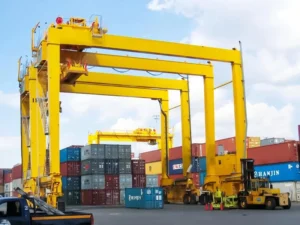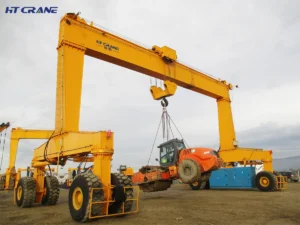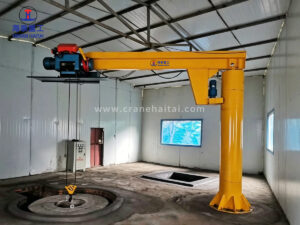

A boat jib crane is a marine-grade lifting solution designed specifically for docks, marinas, shipyards, and offshore platforms — where saltwater corrosion, confined space, and dynamic loads demand equipment built to a different standard. HaiTai Crane’s boat jib cranes deliver 0.5 to 20 tons lifting capacity, 180° to 360° rotation, and full C4–C5 marine corrosion protection from structural steel to electrical enclosures. Quick Reference: Boat Jib Crane Specifications Parameter Standard Range Custom Available Lifting Capacity 0.5 t – 20 t Up to 50 t on request Jib (Boom) Length 3 m – 10 m Up to 15 m Rotation Angle 180° / 270° / 360° Configurable Lifting Height 3 m – 12 m Customizable Hoist Type Electric chain / Wire rope Manual available Control Mode Push-button / Radio remote Cabin option Corrosion Protection Hot-dip galvanized + marine paint C4/C5 ISO 12944 Mounting Type Column / Wall / Dock-embedded Floating dock option Certification CE, ISO 9001:2015 CCS / BV on request Power Supply 380V / 50Hz (customizable) Global voltage supported What Is a Boat Jib Crane Structure and Operating Principle A…

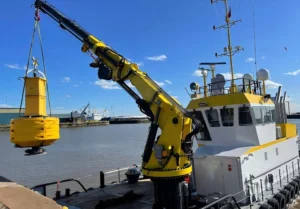
A marine arm crane is one of the most versatile pieces of deck equipment a vessel can carry. Unlike a straight-boom deck crane, a knuckle boom or articulated arm crane folds compactly when not in use, reaches over obstacles, and positions loads with precision that a fixed boom simply cannot match. For ship owners and procurement teams evaluating deck crane options, the choice between a straight boom and an articulated arm crane often comes down to one question: does your operation require the crane to work in confined spaces, reach below deck level, or handle irregular load positions? If yes, a marine arm crane is almost certainly the right choice. This page covers what marine arm cranes are, where they are used, what the key specifications mean, and how to evaluate suppliers before committing to a purchase. What Is a Marine Arm Crane? The Core Design Concept A marine arm crane — also called a knuckle boom crane or articulated marine crane — uses two or more boom sections connected by hydraulic-powered knuckle joints. This articulation allows the crane to…
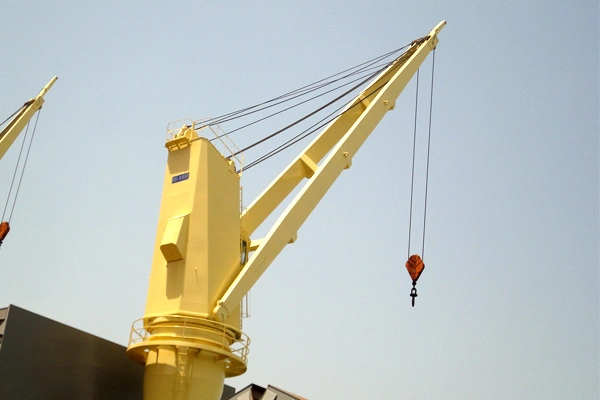
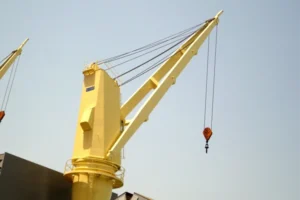
Selecting the wrong ship deck crane creates problems that follow you for the vessel’s entire operational life. Inadequate lift capacity, poor outreach, or a crane not certified by your classification society — any of these can delay port clearance, increase operating cost, or create liability exposure in the event of an incident. This page gives procurement managers, ship owners, and shipyard purchasing teams a clear, practical overview of what to look for when sourcing a ship deck crane. We cover equipment types, key technical parameters, certification requirements, and what distinguishes a reliable supplier from a risky one. HT crane manufacture and export ship deck cranes across a full capacity range — and we back every unit with classification society certification, factory load testing, and long-term spare parts support. What Is a Ship Deck Crane? The Basic Function A ship deck crane is a rotating lifting device permanently mounted on a vessel’s deck. It handles cargo loading and unloading at ports where shore-based equipment is unavailable or insufficient. It also supports deck operations, equipment transfers, and maintenance lifts during voyage. Vessel…

Choosing the wrong gantry crane costs more than money. It costs downtime, structural risk, and rework. If you’re sourcing a heavy duty trolley gantry crane for a port, steel mill, rail yard, or large factory, the MG series is one of the most proven options on the market today. This page covers everything procurement teams need: how each MG type differs, what specs apply to your load and environment, and how to match the right configuration to your site conditions. No guesswork. Just practical guidance. What Is the MG Heavy Duty Trolley Gantry Crane? The MG gantry crane is a double-beam, trolley-type outdoor crane built for heavy industrial lifting. Its structure uses a box-type welded double beam with π-shaped legs. This design increases torsional rigidity significantly. The crane handles loads from 5 tons up to 500 tons. It runs on ground rails and supports spans from 18 to 40 meters. Core Engineering Advantages Unlike single-beam gantry cranes, the MG series uses two parallel main beams. This distributes the load more evenly. The trolley travels between the beams, allowing precise positioning…

When the load is heavy, the span is wide, or the hook height requirement exceeds what a single girder crane can deliver — a double girder gantry crane is the answer. It is the structural choice for heavy industry, and for good reason: two main girders share the load, allow a higher-positioned hoist, and provide the structural rigidity needed for large spans and demanding duty cycles. Buyers often reach the double girder decision after outgrowing a lighter crane or after realizing that a single girder model cannot meet their hook height or span requirements. The challenge then becomes specification: double girder cranes involve more variables, more civil infrastructure, and larger capital commitment than their lighter counterparts. This page walks you through what defines a double girder gantry crane, what to specify, where it fits, and how to evaluate a supplier for a purchase of this significance. What Is a Double Girder Gantry Crane? A double girder gantry crane uses two parallel horizontal girders — the main beams — supported at each end by leg structures that run on ground-level rails.…

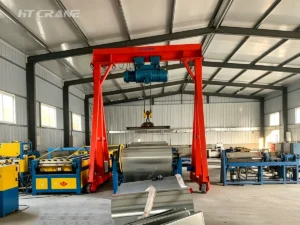
Picking the wrong crane structure does not just waste budget. It creates daily friction — wrong span, insufficient lift height, or a beam type that cannot handle your load cycle. If you are sourcing a single girder gantry crane for a warehouse, construction yard, port facility, or manufacturing plant, the right configuration depends on more than tonnage alone. This page breaks down all four single girder gantry crane types available from haitai Crane. You will find full specifications, clear application guidance, a direct type comparison, and a pre-order checklist. No unnecessary complexity. Just the information procurement teams need to make a confident decision. What Is a Single Girder Gantry Crane? A single girder gantry crane uses one main beam supported by two legs that travel along ground rails. An electric hoist runs along the underside of the beam. This design is simpler and lighter than double-girder configurations. It costs less to build, install, and maintain. Where Single Girder Works Best Single girder gantry cranes are the standard choice for operations in the 2–32 ton range. They suit sites where lifting…
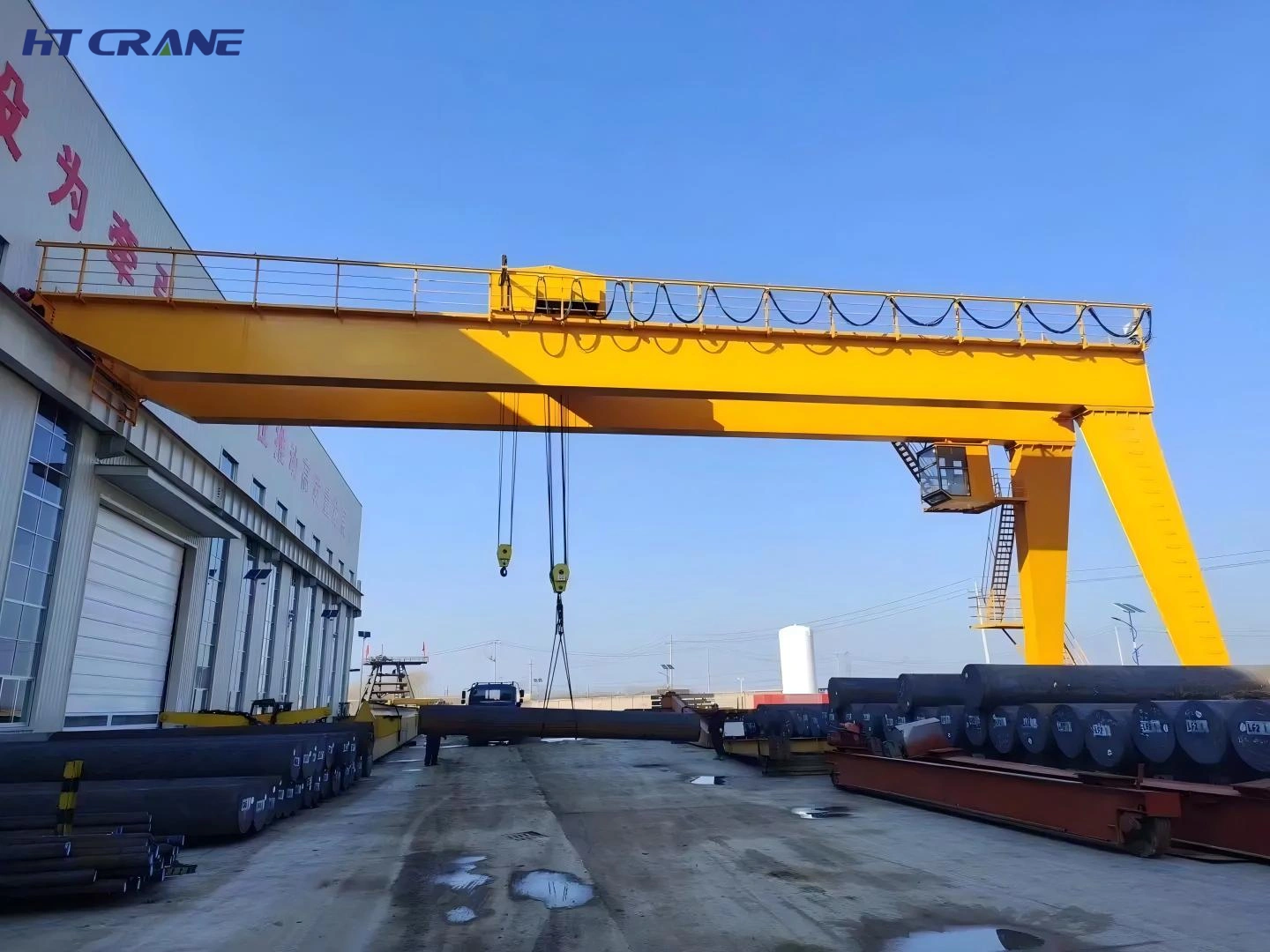
Not every facility has the floor space for a full gantry crane. Not every building has the roof structure to support an overhead travelling crane. A semi gantry crane solves both problems at once — and for a significant number of industrial buyers, it is the most practical and cost-effective crane configuration available. The semi gantry crane uses one leg on the ground and one side supported by an existing building column or runway rail on the wall. This hybrid design reduces the crane’s footprint, eliminates one set of floor rail foundations, and integrates with the building structure in a way that a full gantry crane cannot. The result is maximum coverage in minimum space — at a lower civil works cost than either alternative. What Is a Semi Gantry Crane? The Defining Structure A semi gantry crane — also called a half gantry crane — has an asymmetric support structure. One end of the main girder rests on a standard leg that runs on a ground-level rail. The other end is supported by a trolley or bracket that runs…

What Is Steel Mill Crane? Steel mill cranes always operate in the most demanding environments in any industrial sector. The loads are heavy, the duty cycles are relentless, and the consequences of crane downtime reach directly into production output. A crane that fails during a pour, a tap, or a charging sequence does not just incur repair cost — it disrupts the entire production line downstream. Getting the right steel mill crane into the right position in a steel facility is not a single decision. Different areas of the mill handle different materials in different ways. The raw material storage yard has different requirements from the casting bay. The scrap charging area is nothing like the finished product warehouse. Each zone demands a crane type matched to the specific task, duty class, and operating environment. QD General Purpose Double Girder Overhead Crane The QD double girder overhead steel mill crane is the workhorse of the indoor steel facility. It is a standard double girder overhead crane designed for general heavy lifting — maintenance tasks, equipment replacement, coil and slab handling…

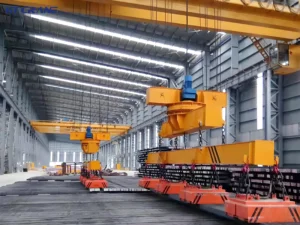
Manual rigging in a steel handling facility wastes time on every single lift. A rigger on the ground, a chain or sling, a hook attachment — then reverse the process at the other end. In a facility completing hundreds of lifts per shift, this labor overhead compounds into a significant operating cost. More critically, every manual rigging cycle puts a person directly beneath a suspended load. A magnetic overhead crane eliminates both problems. The electromagnet is built into the crane. The operator energizes the magnet from the cabin, picks up the steel load, travels to the deposit point, and releases. No ground crew. No slings. No manual contact with the load. The full cycle is completed by one person from a safe elevated position. This page covers all three areas you need to make a purchase decision: product design and features, technical parameters, and application scenarios across the industries where magnetic overhead cranes are most commonly used. Product Description What Is a Magnetic Overhead Crane? A magnetic overhead crane — classified as QC type under Chinese national standard GB/T 14406…
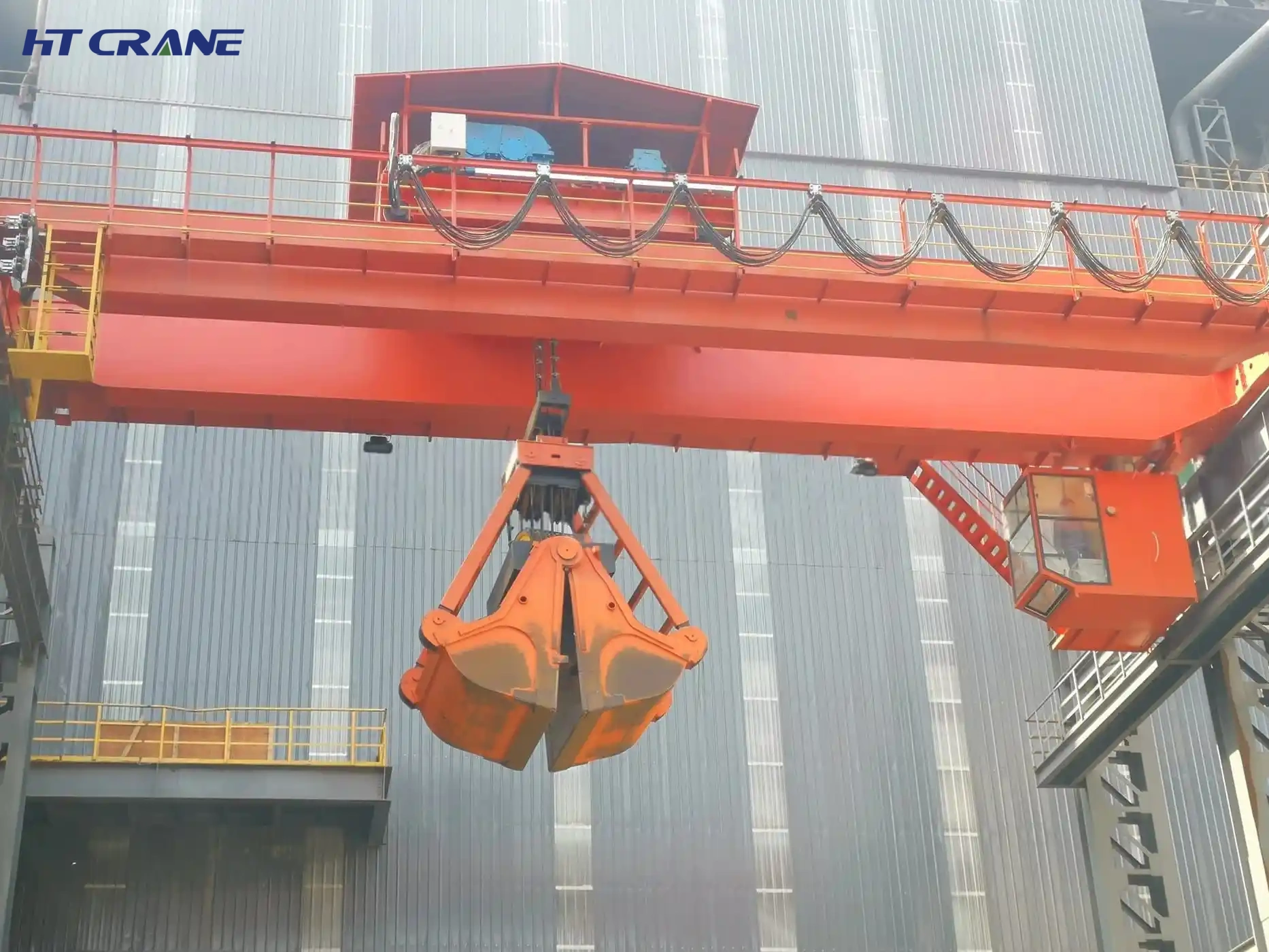
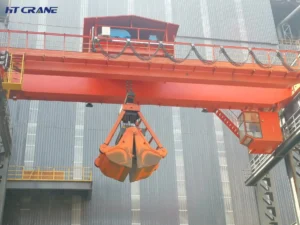
Manual rigging slows bulk material operations down and ties up labor that could be better used elsewhere. An overhead grab crane eliminates that problem entirely. The crane lifts, moves, and releases bulk material — coal, scrap metal, ore, sand, grain — without any manual load attachment. One operator handles the full cycle from the cabin. For facilities handling bulk materials repeatedly across a large floor area, an overhead grab crane is not just a convenience. It is the right tool for the job — designed from the structural level up for the high-cycle, high-wear demands of continuous bulk handling. A standard overhead crane running grab operations will reach the end of its structural fatigue life years ahead of schedule. A purpose-built grab crane is designed to last. This page gives you the full picture: what an overhead grab crane is, how the different grab types compare, what the key specifications mean, and what to verify before you commit to a purchase. What Is an Overhead Grab Crane? An overhead grab crane is a double girder overhead crane fitted with an…
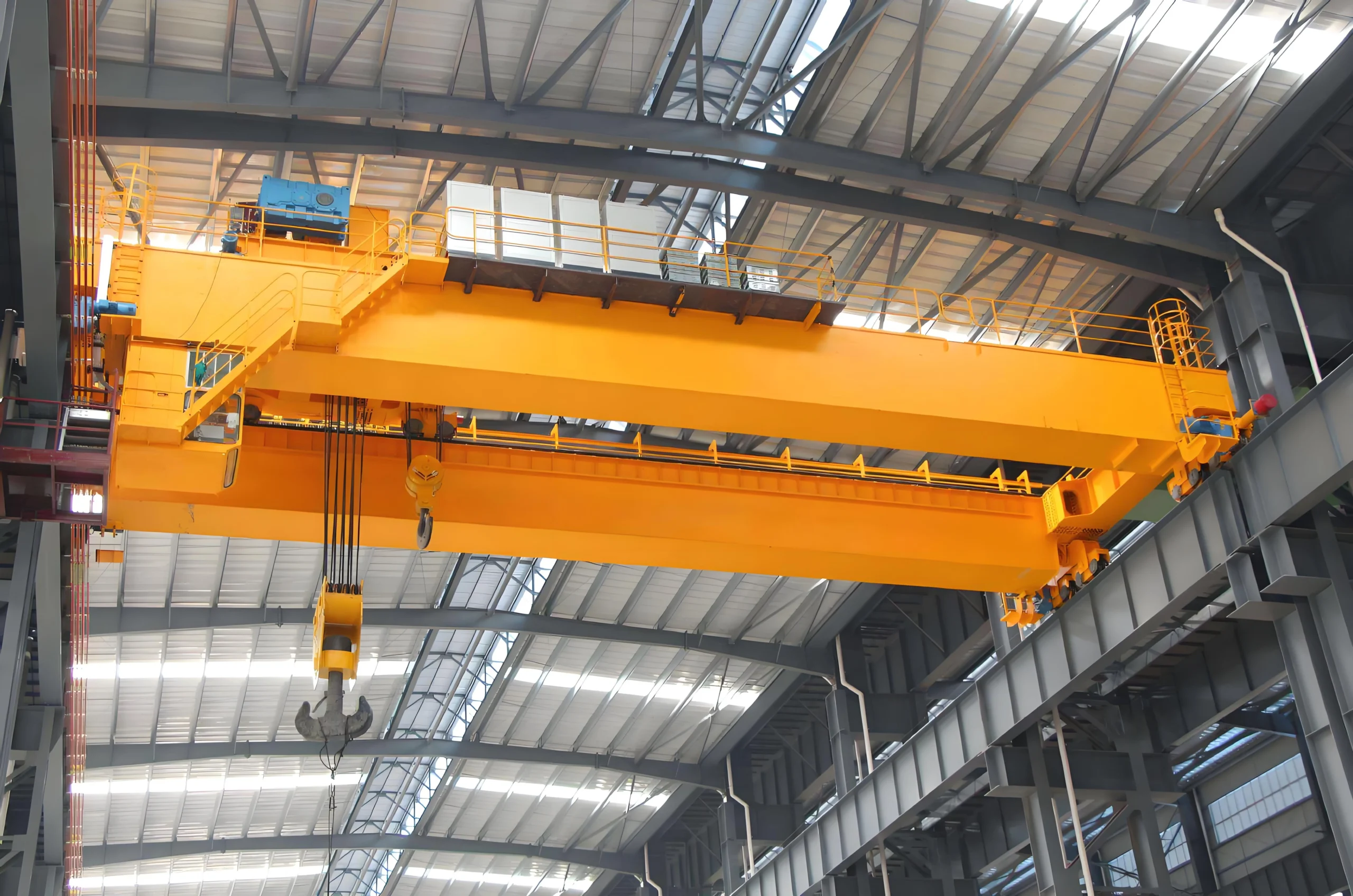
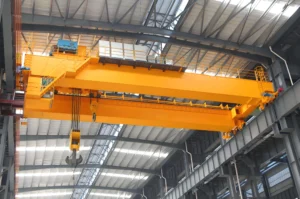
Because the load is too heavy, the span too wide, or the operating environment too demanding — a double girder overhead crane is the answer. Two main girders share the structural load, allow a top-running hoist trolley, and deliver the hook height, capacity, and duty cycle performance that heavy industrial operations require. The challenge for buyers is that “double girder overhead crane” covers multiple very different machine types. each is designed for a specific operating environment or load type. Specifying the wrong type creates safety risk, regulatory non-compliance, or a crane that fails prematurely because it was not built for the conditions it faces. This page covers six types in a single reference. By the end, you will know what distinguishes each model, where it belongs, and which one matches your operation — before you speak to any supplier. What Is a Double Girder Overhead Crane? The Structural Foundation A double girder overhead crane uses two parallel main girders spanning the building width. End trucks at each end run on elevated runway rails attached to the building structure. The hoist…

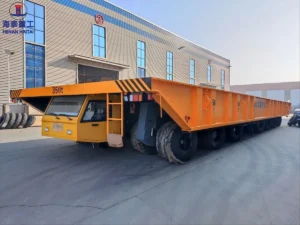
Moving a 200-ton reactor vessel across a refinery yard, or a 500-ton bridge segment onto its piers, is not a job for a standard truck or trailer. It calls for an equipment that can spread enormous concentrated weight across dozens of wheels, steer with millimeter precision in tight spaces, and keep the cargo level even when the ground underneath it isn’t. Available across a 50 to 1,000 ton capacity range, the Haitai hydraulic platform transporter is a heavy-duty multi-axle trailer solution for oversize and overweight cargo handling. Whether transporting a prefabricated building module across a jobsite, loading a transformer onto a barge, or shifting a ship segment within a dry dock, the Haitai transporter is designed to allow cargo—typically requiring cranes, gantries, or custom rigging—to simply roll into position. What Is Haitai Hydraulic Platform Transporter? Haitai hydraulic platform transporter is commonly known in the industry as Hydraulic Platform Transporter (HPT). It covers capacities from 50 to 1,000 tons and features a modular multi-axle design, depending on its setup. Every axle line is equipped with its own hydraulic suspension, independent steering,…