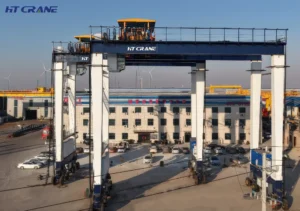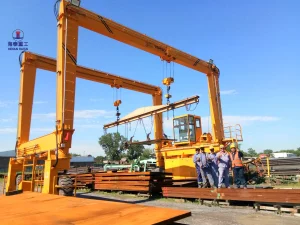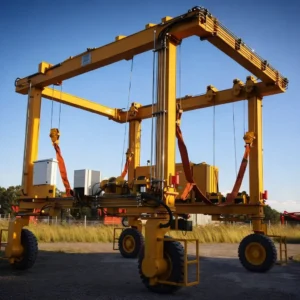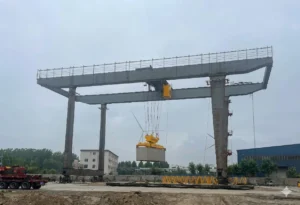
If you’re lifting loads over 50 tons in a space where a fixed crane can’t reach, a hydraulic gantry crane is often the right answer. But many procurement teams still default to rail-mounted systems out of habit — and end up overspending on infrastructure for a job that needed flexibility, not permanence.
This article cuts through the confusion. You’ll learn exactly how hydraulic gantry systems work, where they outperform rail-mounted alternatives, and what to look for when selecting one for your operation.

What Is a Hydraulic Gantry Crane and How Does It Work?
The Basic Mechanism Behind Hydraulic Lifting
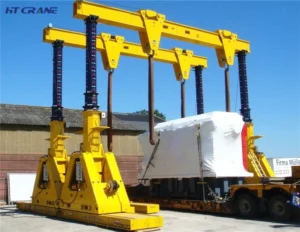
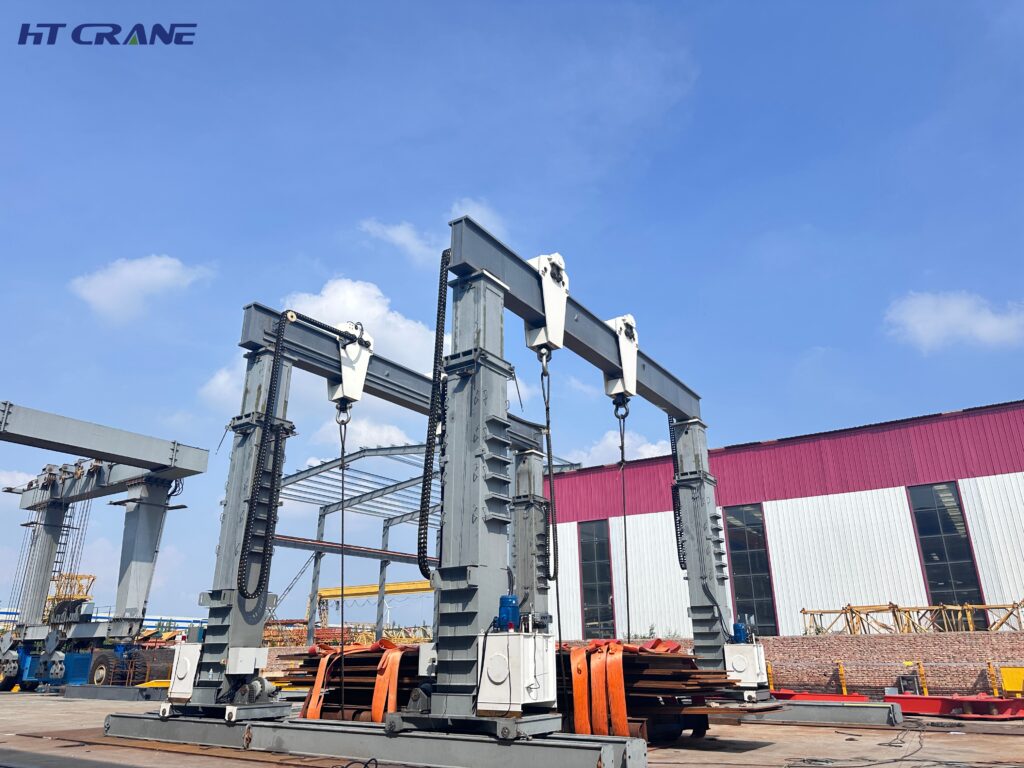
A hydraulic gantry crane uses hydraulic cylinders to raise and lower loads. The lifting force comes from pressurized fluid — typically oil — pushing pistons through a cylinder. This design allows for very high lifting capacity in a compact structure.
Most modern units operate in a synchronized multi-point lift configuration. Four or more lifting towers work together, controlled by a single operator panel. The system continuously monitors load distribution across all lift points.
This synchronized control is critical. Uneven loading during heavy lifts can cause structural damage to both the equipment and the load itself. Hydraulic systems address this directly.
Key Components You Should Know
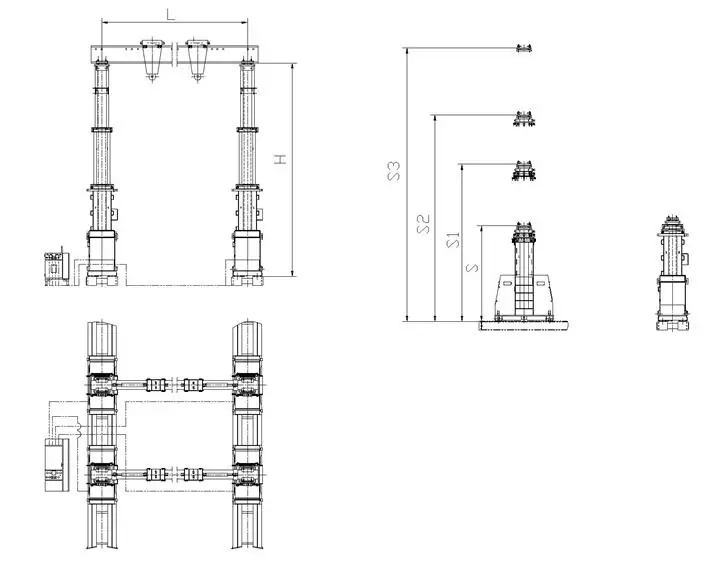
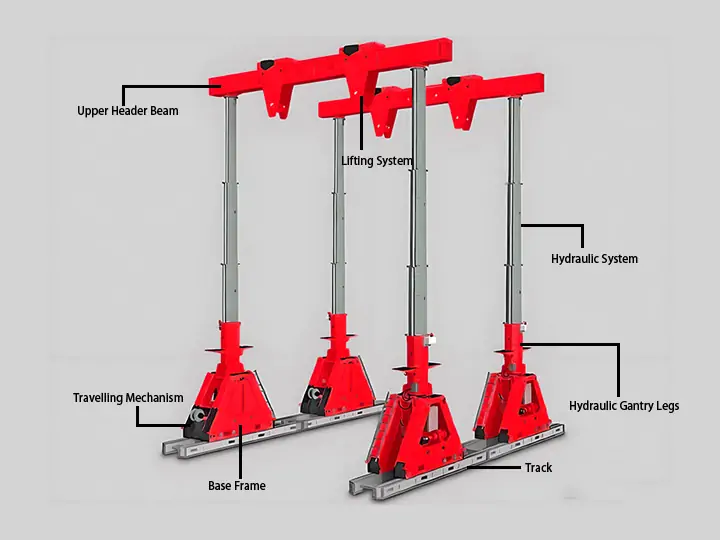
| Component | Function |
|---|---|
| Hydraulic cylinder | Converts fluid pressure into vertical force |
| Manifold and valve block | Controls flow to each cylinder |
| Synchronization controller | Balances load across multiple towers |
| Gantry beam | Horizontal load-bearing structure |
| Caster/track base | Enables horizontal movement |
Understanding these components helps you ask the right questions when evaluating suppliers or requesting technical specs.
Rail-Mounted Gantry Cranes: Where They Shine and Where They Fall Short
Designed for Repetition, Not Flexibility
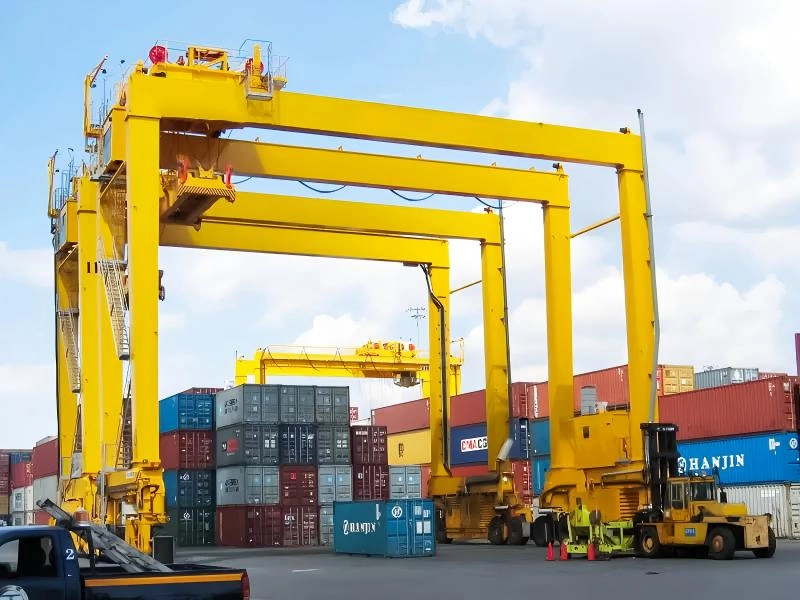
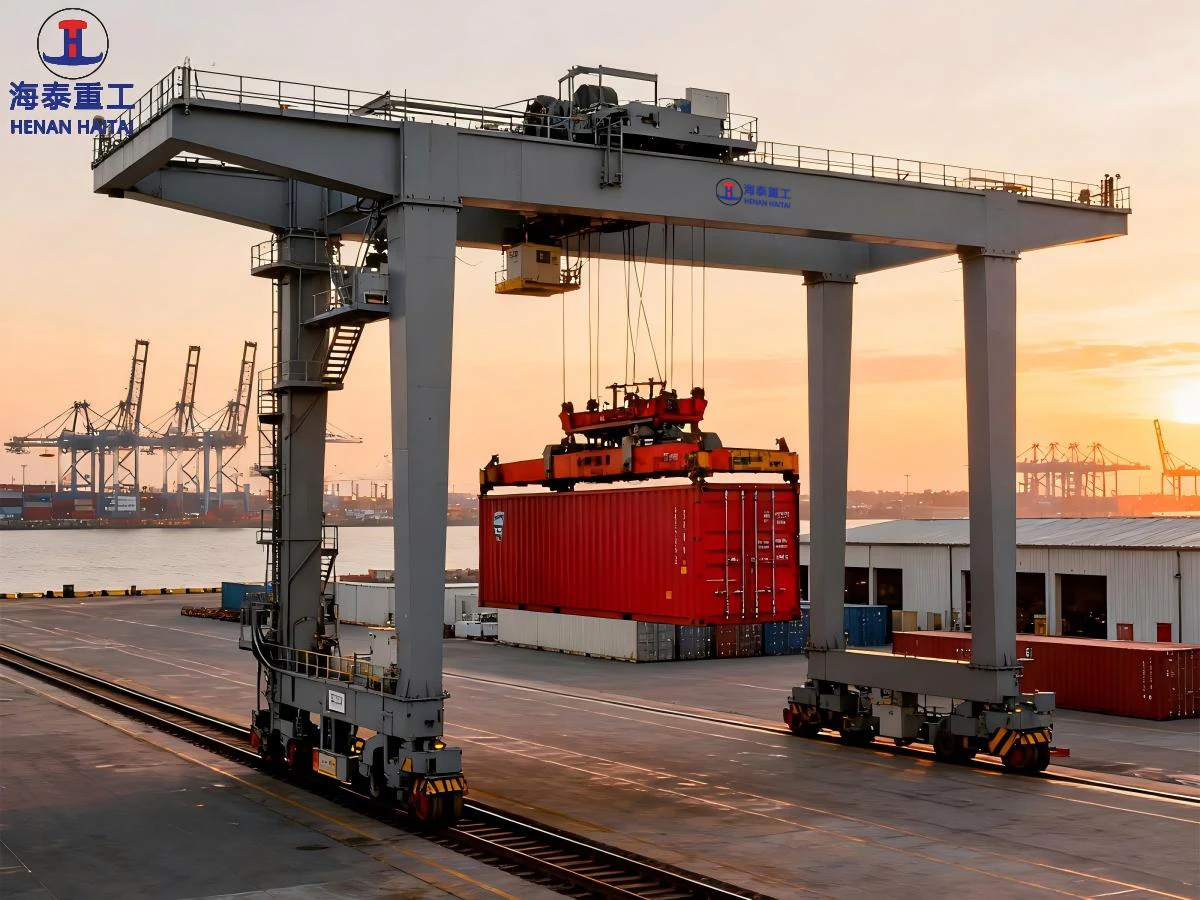
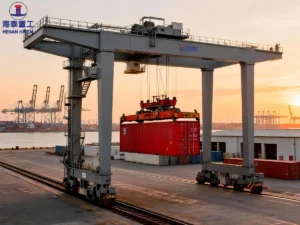
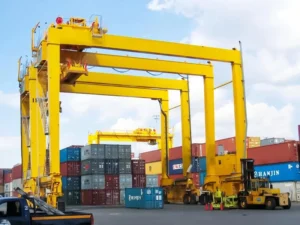
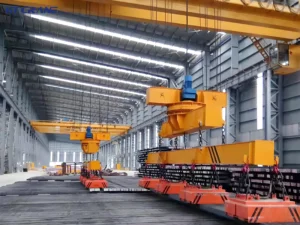
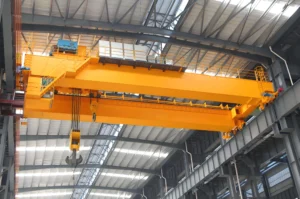
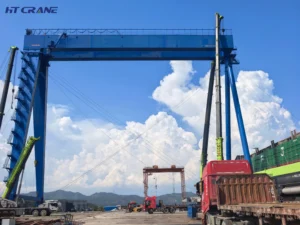
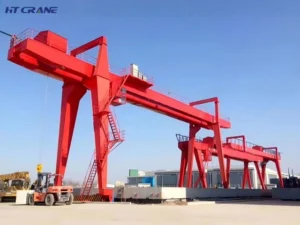
Rail-mounted gantry cranes (RMG cranes) are built for high-frequency, high-volume lifting in fixed locations. Container terminals, shipyards, and large manufacturing plants use them because the rail infrastructure supports consistent, fast cycle times.
The trade-off is rigid site dependency. Installing a rail system requires civil engineering work, foundation preparation, and significant lead time. Once installed, repositioning is not practical.
If your lifting needs are predictable and concentrated in one area, rail-mounted systems deliver excellent throughput. But if your project moves — or your facility layout changes — that fixed infrastructure becomes a liability.
Infrastructure Cost Is the Hidden Variable
Procurement teams often compare crane prices directly. This misses a significant cost driver: civil works.
Rail installation typically involves:
- Reinforced concrete rails or embedded track
- Foundation engineering to handle dynamic loads
- Utility integration (power, controls)
- Ongoing track maintenance
These costs vary widely by site, but they are real and recurring. A hydraulic gantry crane, by contrast, operates on existing floors — provided the floor meets load-bearing requirements, typically expressed in tons per square meter.
Hydraulic Gantry Crane vs. Rail-Mounted: Direct Comparison
Mobility and Site Adaptability
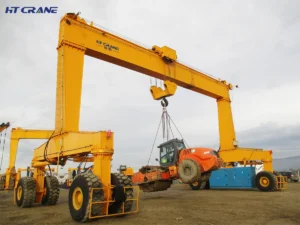
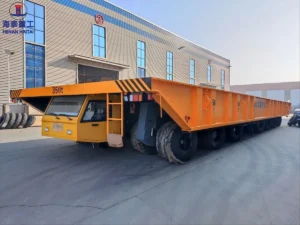
This is where hydraulic gantry systems create the clearest advantage. A self-propelled modular hydraulic gantry can be transported to any site, assembled in hours, and repositioned without infrastructure changes.
For industries like power generation, petrochemicals, and industrial construction — where heavy components are lifted in different locations on different projects — this mobility directly reduces project cost and scheduling risk.
Rail-mounted systems require the work to come to them. Hydraulic gantries go to the work.
Load Capacity and Stroke Range
Both system types cover a wide capacity range. However, hydraulic gantries scale more easily through modular configuration.
| Feature | Hydraulic Gantry Crane | Rail-Mounted Gantry Crane |
|---|---|---|
| Typical capacity range | 10t – 2,000t+ | 10t – 800t (standard) |
| Lift height (stroke) | 1.5m – 6m per stage | Fixed to rail/structure height |
| Multi-stage lifting | Yes (stacking cylinders) | Limited |
| Floor requirement | Load-bearing slab or mat | Engineered rail foundation |
| Setup time | Hours | Weeks to months |
| Relocation | Easy | Not practical |
| Best use case | Project-based, outdoor, variable sites | High-volume, fixed location |
Precision Control During the Lift
Hydraulic systems offer fine-grain control over lift speed and position. This matters when:
- Extracting large industrial equipment from tight spaces
- Lifting components that must remain level within tight tolerances (e.g., turbine rotors, bridge sections)
- Working in confined areas where abrupt movement causes safety risk
Rail-mounted cranes move faster during normal operation, but they are less suited to slow, precision-controlled heavy lifts.
Selecting a Hydraulic Gantry Crane: What Procurement Teams Must Verify
Technical Parameters to Request from Suppliers
Don’t rely on brochure specs. Ask for documentation covering:
- Rated capacity at full cylinder extension (not just at retracted position)
- Synchronization tolerance (typically ±2mm between lift points)
- Hydraulic pressure rating and safety relief valve settings
- Compliance with EN 13000 or ASME B30.1 standards, as applicable
- CE marking status for European operations
Capacity ratings can be misleading if they don’t specify operating conditions. A unit rated at 400 tons may perform differently when cylinders are fully extended versus partially extended.
Questions to Ask About On-Site Conditions
Before finalizing equipment selection, confirm:
- Floor load capacity — Can your floor handle the distributed load from the gantry legs under full load?
- Headroom — What is the clearance above the lift point? This determines maximum stroke height.
- Travel distance — How far must the load move horizontally after lifting?
- Access routes — Can the gantry be assembled and positioned given your site layout?
These site factors often matter more than crane specs. A well-specified crane on an under-prepared site creates delays and safety risk.
Operator Certification and Training Requirements
Hydraulic gantry operation requires trained personnel. In most jurisdictions, operators must hold crane operator certification. For synchronized multi-tower lifts, additional rigging and lift planning competency is typically required.
Verify that your supplier or rental provider offers operator training or can confirm your team’s qualifications match the equipment requirements. ISO 9927 and EN 13000 both address operator competency as part of crane safety management.
Summary: When to Choose Hydraulic Over Rail-Mounted
Hydraulic gantry cranes make practical sense when:
- Your lift location changes between projects
- You need high capacity without permanent infrastructure investment
- Precision control during the lift is a priority
- You’re working outdoors or in facilities without existing rail systems
Rail-mounted gantry cranes remain the better choice for:
- Fixed terminals or manufacturing lines with repetitive, high-volume lifts
- Applications where speed of cycle time outweighs flexibility
- Operations already served by existing rail infrastructure
Neither system is universally superior. The right answer depends on your specific operational pattern, site conditions, and total cost of ownership — not just the equipment purchase price.
If you’re evaluating options for an upcoming project, start with the site conditions and lift frequency. Those two factors will point you toward the right system faster than any spec sheet comparison.
FAQ
Q1: What is the maximum lifting capacity of a hydraulic gantry crane?
Hydraulic gantry cranes can be configured for extremely high capacities through modular design. Standard rental units typically range from 50 to 500 tons per lifting tower. By combining multiple towers in a synchronized configuration, total system capacity can exceed 2,000 tons. The actual working capacity depends on cylinder extension length, hydraulic pressure, and base support conditions. Always request the rated capacity at full stroke, not just at the retracted position, as capacity typically decreases as cylinders extend further.
Q2: Can a hydraulic gantry crane be used outdoors?
Yes. Most hydraulic gantry systems are designed for outdoor use and are regularly deployed on construction sites, in petrochemical facilities, and at power plants. Key considerations for outdoor operation include wind load limits (typically specified by the manufacturer), ground bearing capacity, and surface evenness for horizontal travel. Some units require steel mats or temporary ground reinforcement to distribute load on soft ground. Always check the manufacturer’s environmental operating specifications before planning an outdoor lift.
Q3: How does synchronized lifting work in a hydraulic gantry system?
In a multi-tower hydraulic gantry lift, each cylinder is independently controlled but coordinated through a central hydraulic control unit. The system continuously monitors the stroke position and pressure at each lift point and automatically adjusts flow to maintain level lifting within a set tolerance — typically ±2mm. This prevents uneven loading that could damage sensitive equipment or create structural risk. The operator monitors the entire system from a single control panel and can halt or adjust any individual tower if a deviation is detected.
Q4: How long does it take to set up a hydraulic gantry crane on site?
Setup time depends on the system size and site conditions, but most hydraulic gantry configurations can be assembled and made operational within four to eight hours by an experienced crew. Smaller units may be ready in under two hours. This compares favorably to rail-mounted systems, which require civil works that can take weeks. The modular design of hydraulic gantries means components can be transported in standard cargo vehicles and assembled with basic lifting equipment already on site. Pre-lift planning, including rigging design and lift point verification, typically takes longer than the physical setup.