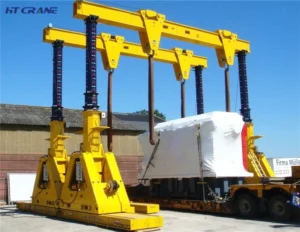
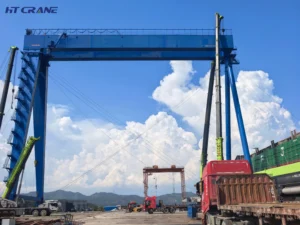
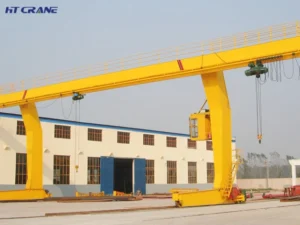
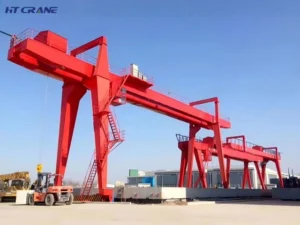
The debate between container straddle carriers and RTG cranes has always been one of the most frequent topics of discussion between port managers and logistics investors.If you are planning to equip a container yard, this is likely the first question on your list. Both Container Transfer Vehicle and Rubber Tyred Gantry Crane are proven, widely deployed solutions. But they serve different operational profiles — and choosing the wrong one costs more than just money.
The honest answer: neither is universally better. The right choice depends on your yard size, throughput targets, infrastructure budget, and long-term automation plans. This article walks you through the comparison in plain terms — so you can make a confident, data-backed procurement decision.
By the end, you will know which equipment fits your operation, what drives total cost of ownership, and what questions to ask any supplier before signing a contract.
Understanding the Two Options
What Is a Straddle Carrier?
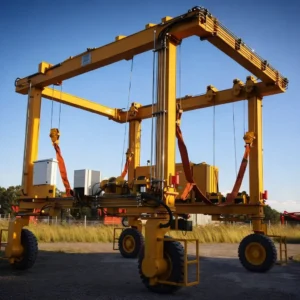
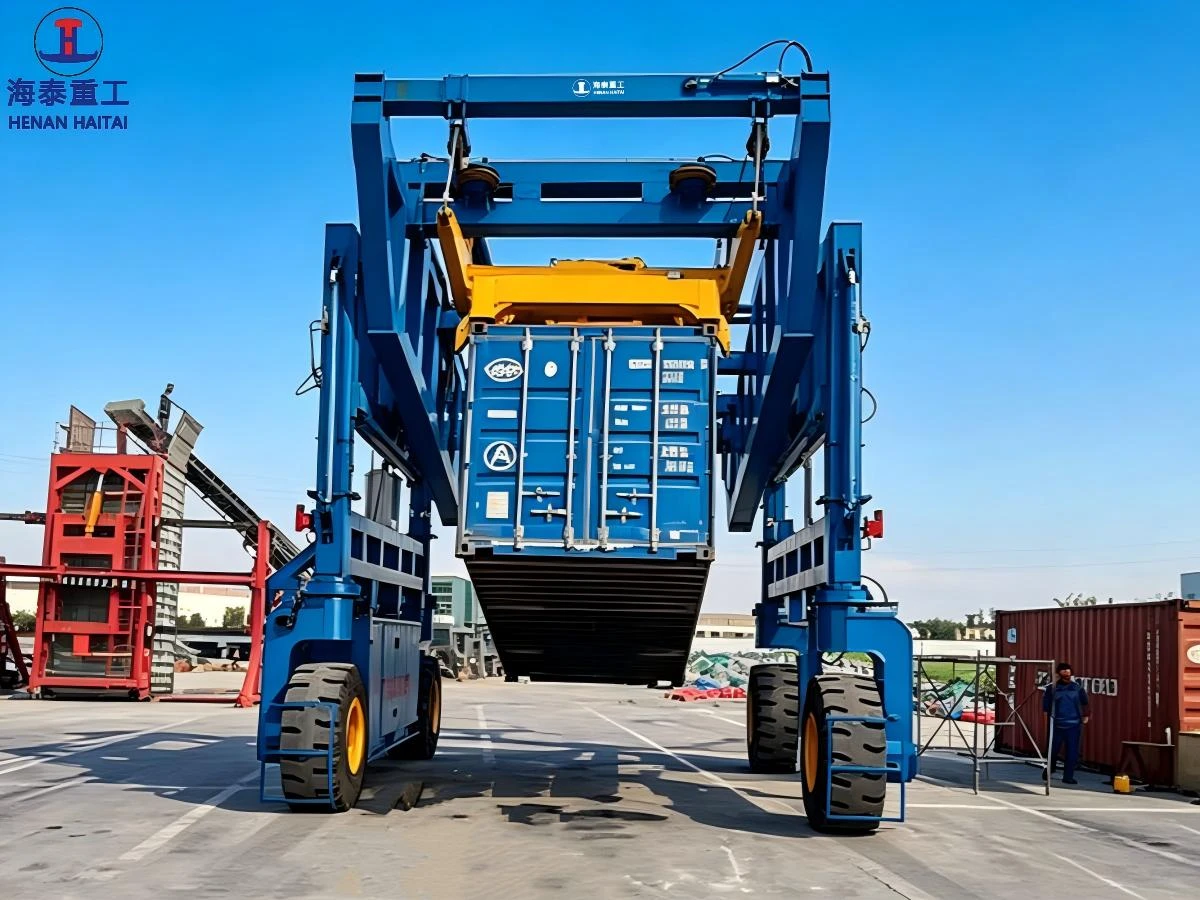
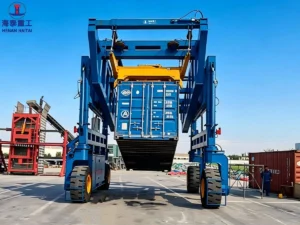
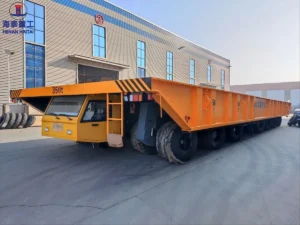
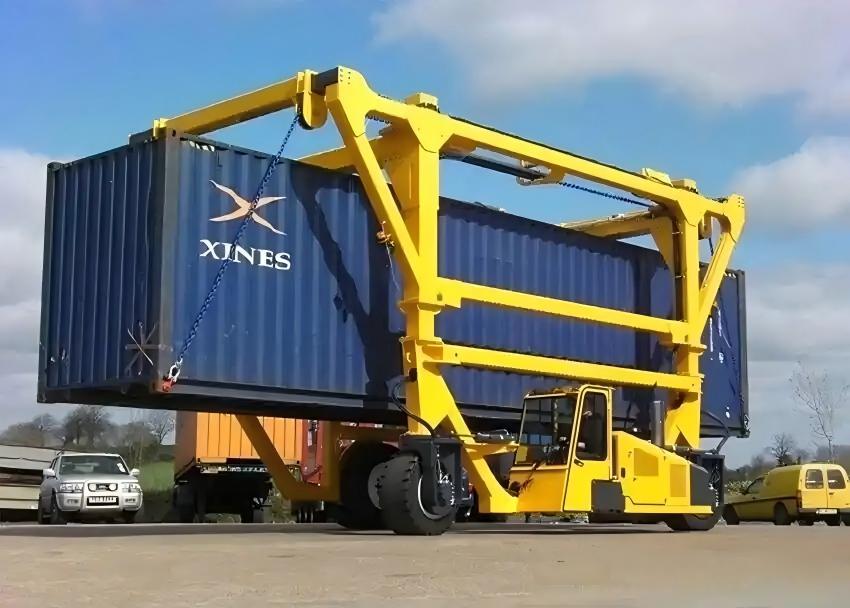
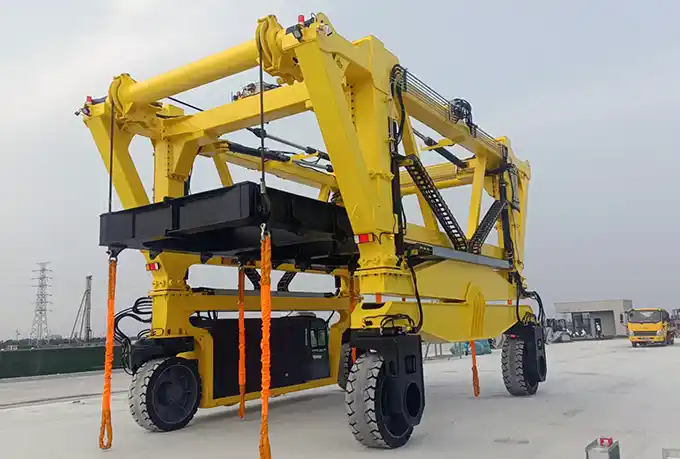
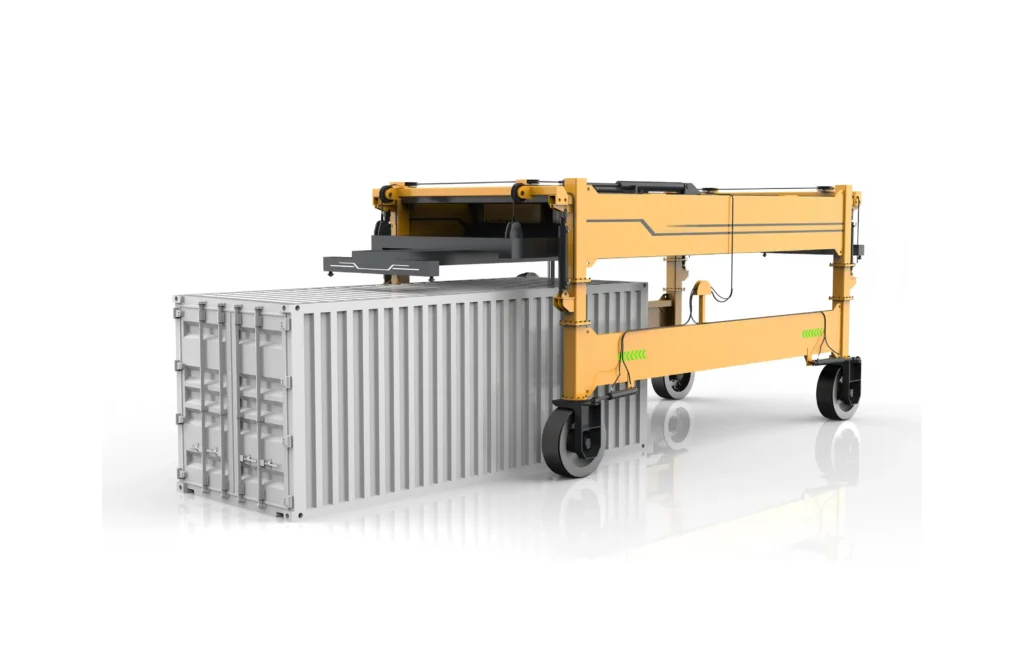
A Container Transfer Vehicle is a self-propelled rubber-tyred vehicle that lifts containers from below, straddling them with its four legs. It moves containers between the quayside, the yard, and the gate — without needing a separate horizontal transport vehicle.
Are highly mobile. One machine handles lifting and horizontal transport in a single cycle. This makes them efficient in yards where containers move frequently across long distances.
What Is an RTG Crane?
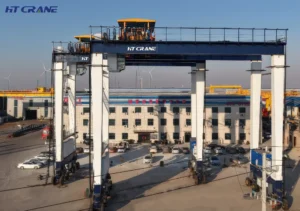
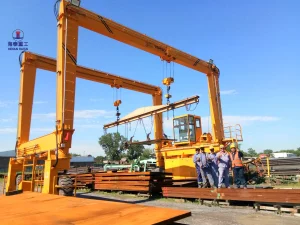
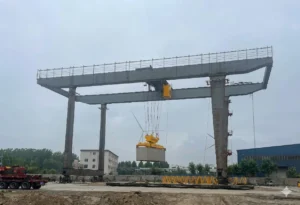
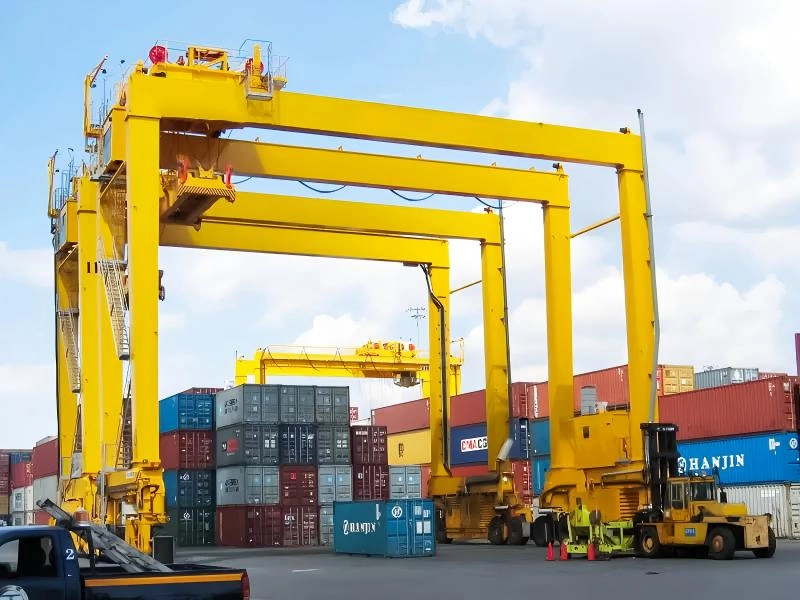
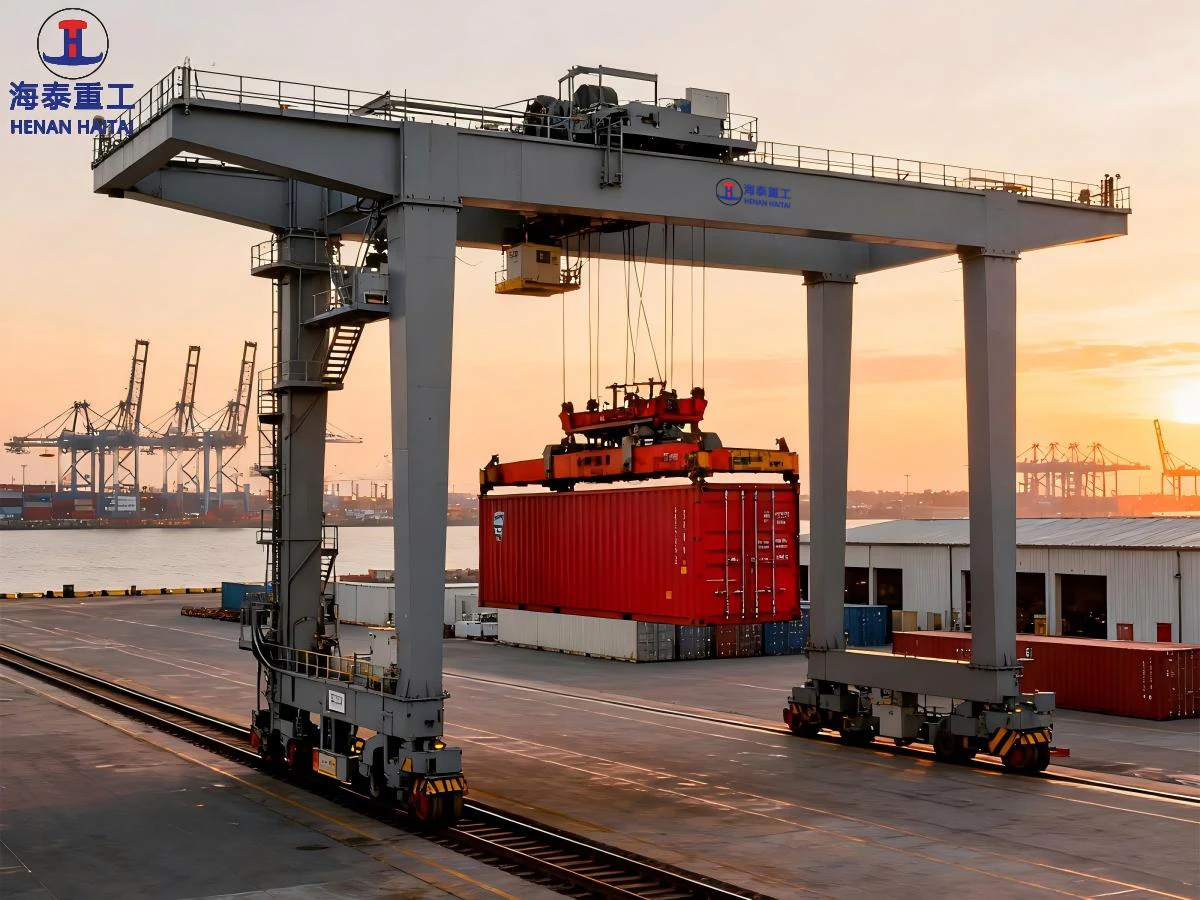
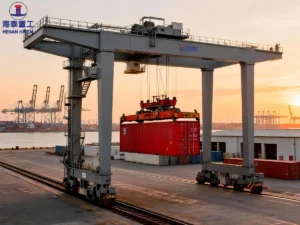
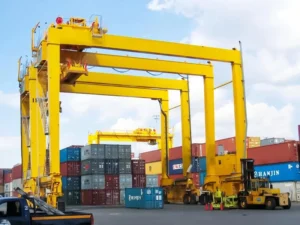
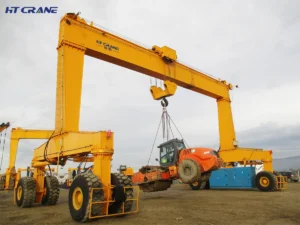
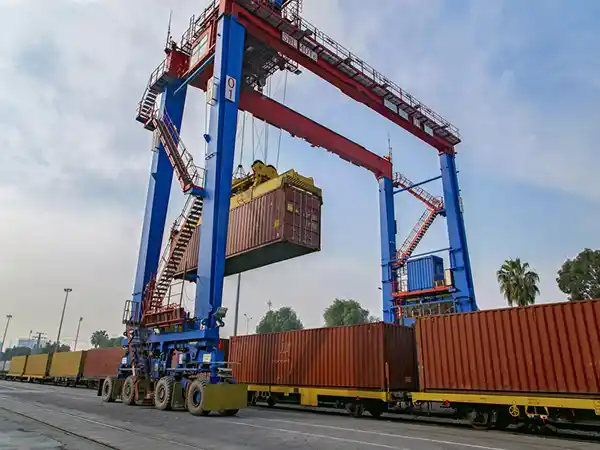
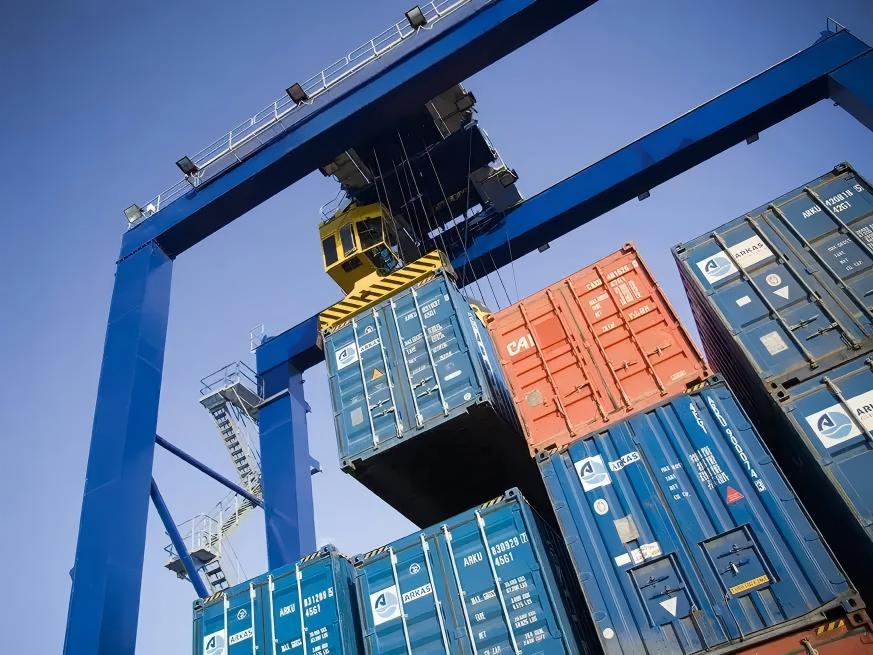
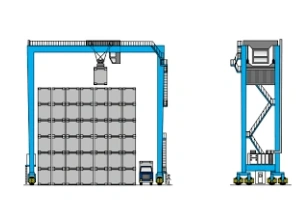
An Rubber Tyred Gantry Crane is a gantry structure mounted on rubber tyres. It stacks containers within a defined lane, working in a fixed block pattern. Trucks or terminal tractors bring containers to the crane’s working area.
A single crane manages a full container block, stacking up to 1 over 6 high. They are the dominant choice at medium to large container terminals worldwide.
Why This Comparison Matters
Both machines handle containers. Both run on rubber tyres. But their operational logic is fundamentally different. Picking the wrong type means either underutilizing expensive infrastructure or creating bottlenecks that limit your throughput ceiling.
Head-to-Head Comparison
Capital Cost and Infrastructure Requirements
Straddle carriers require lower upfront civil works. You need a flat, reinforced yard surface — but no overhead structures, no power rail systems, and no fixed crane foundations. This makes the initial infrastructure investment lighter.
Rubber Tyred Gantry require more preparation. Power supply infrastructure (for electric cable reel models), defined crane lanes, and pavement designed for the crane’s wheel loads all add to the project budget. However, the per-unit cost of an RTG crane is often lower than a full straddle carrier fleet achieving equivalent throughput.
| Factor | Straddle Carrier | RTG Crane |
|---|---|---|
| Civil Infrastructure | Low | Medium–High |
| Unit Capital Cost | Higher per machine | Lower per unit |
| Fleet Size Needed | Larger fleet for same throughput | Fewer units per block |
| Power Infrastructure | Simpler (onboard or hybrid) | Cable reel or diesel setup |
| Automation Readiness | High (proven ASC systems) | High (DGPS-based systems) |
Operational Efficiency
Rubber Tyred Gantry deliver higher stacking density. A standard RTG block handles 6 containers high across 6 rows — maximizing ground space utilization. For ports where land is limited and throughput is high, this is a decisive advantage.
Container Transfer Vehicle offer faster cycle times for direct delivery moves. Because one machine handles the full move — lift, travel, and placement — they reduce handoff delays between equipment types. In yards with high truck interchange activity or frequent container repositioning, It can outperform RTG-based layouts.
The tradeoff is clear: RTG for density, straddle carrier for speed and flexibility.
Labor and Operating Cost
Rubber Tyred Gantry typically require one operator per crane. Container Transfer Vehicle require one operator per vehicle — and you need more vehicles to match the same throughput. This increases labor costs per container move in straddle carrier operations.
On fuel and energy, modern electric straddle carriers and electric RTG cranes are broadly comparable in per-move energy consumption. Diesel straddle carriers generally have higher per-move fuel costs than diesel-electric RTG cranes operating at scale.
Maintenance cost per unit is higher for straddle carriers due to their complex chassis, drive systems, and the higher number of units in service. RTG maintenance is concentrated on fewer machines but involves more complex structural and electrical systems.
Yard Density and Land Use
This is where Rubber Tyred Gantry hold a clear structural advantage. An RTG-based yard can achieve ground slot utilization of 70–80% under normal operating conditions. A Container Transfer Vehicle yard typically targets 50–65%, because the machines themselves occupy space as they move through the yard.
For ports with constrained land and growing container volumes, RTG cranes typically deliver better long-term land efficiency.
Which Operation Should Choose Which?
Straddle Carrier Is the Better Fit When:
- Your yard handles high truck interchange volumes with frequent in/out moves
- You are operating a mid-sized terminal (under 500,000 TEU/year) with mixed cargo
- Land is not the primary constraint and operational flexibility matters more
- You are planning early-stage automation — automated straddle carriers (ASCs) are a proven path
- Your civil infrastructure budget is limited and you need faster setup
RTG Crane Is the Better Fit When:
- Your terminal targets high throughput density on constrained land
- You are operating at 500,000 TEU/year and above or planning to scale there
- Your yard uses a block stacking layout with defined crane lanes
- You need to minimize labor cost per move at scale
- Your port has existing power infrastructure suitable for electric RTG deployment
Mixed Fleet Considerations
Some terminals use both. Straddle carriers handle the quayside transfer zone and gate area, while RTG cranes manage the main storage blocks. This hybrid approach captures the speed of straddle carriers at interchange points and the density of RTG cranes in storage — but it adds fleet management complexity and higher total capital cost.
ROI: The Honest Calculation
Total Cost of Ownership (TCO) Framework
ROI in container yard equipment is not just purchase price. The full TCO calculation includes:
- Capital cost (equipment + infrastructure)
- Annual operating cost (labor, energy, maintenance)
- Throughput capacity (TEU/year per unit of capital invested)
- Residual value after 15–20 year design life
RTG cranes tend to show better TCO in high-throughput, high-density operations where fewer machines handle more moves per day. Straddle carriers tend to show better TCO in flexible, lower-density operations where adaptability reduces congestion costs.
Neither machine has universally better ROI.
The right question is: which machine delivers better ROI for my specific throughput, layout, and labor market?
The Decision Framework
Before contacting any supplier, define these four parameters:
- Current and target annual TEU throughput
- Available yard area and land cost per m²
- Local labor cost and availability
- Automation timeline (manual, semi-auto, or full automation)
These four inputs will point you clearly toward one solution or the other — or toward a hybrid design that a qualified supplier can help you model.
Conclusion
Not about which machine is better. It is about which machine fits your yard better.
RTG cranes deliver superior stacking density and lower cost per move at scale. Straddle carriers deliver flexibility, faster interchange cycles, and lower civil investment at entry. Both are proven globally. Both are available in electric and automation-ready configurations.
The best next step: bring your throughput data and yard layout to a qualified supplier and request a formal feasibility comparison — before you commit to either path.