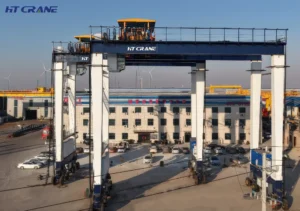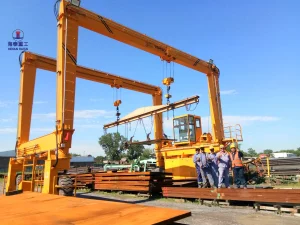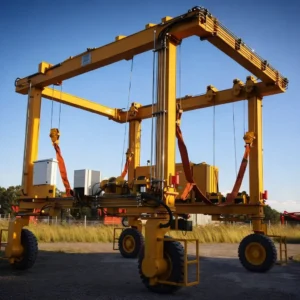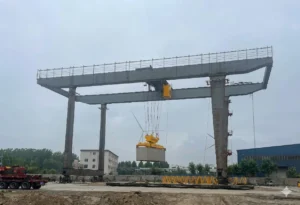

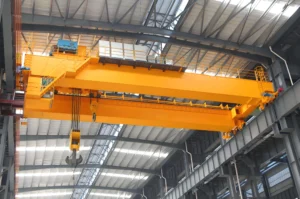
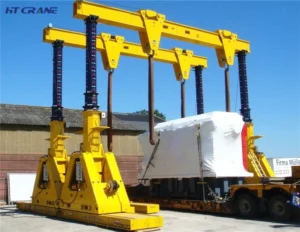
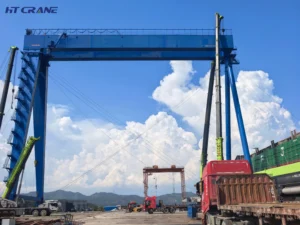
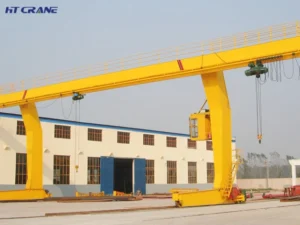
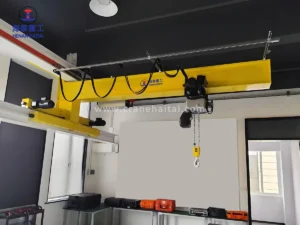
Cranes are not shelf products. That every project carries a lead time that spans multiple stages: technical design, fabrication, testing, shipping, and on-site installation.
For procurement teams and project managers, underestimating this timeline is one of the most common — and most expensive — mistakes in industrial facility planning. A crane that arrives six weeks after the building is ready, or a building that sits idle waiting for a delayed crane, both carry real costs. Understanding what drives crane lead time, and how each stage fits together, allows buyers to plan realistically and avoid those gaps.
This article breaks down the full crane delivery process from initial inquiry to commissioned installation. It covers typical durations for each stage, the factors that compress or extend those timelines, and practical steps buyers can take to keep their projects on schedule.
What Is Crane Lead Time?
Three Components of the Total Timeline
Understanding lead time requires separating it into three components:
- Manufacturing lead time: The time from confirmed order and approved design to completed crane ready for shipment from the factory. This includes engineering, fabrication, assembly, and factory testing.
- Shipping lead time: The time from factory dispatch to arrival at the destination port or site. This varies significantly by shipping route, transport mode, and customs clearance conditions.
- Installation timeline: The time from crane arrival on site to final commissioning and handover. This depends on site readiness, crane complexity, and the scope of electrical and mechanical work required.
Typical Crane Project Timeline
1. Technical Consultation and Quotation
The process begins with a requirements discussion. The buyer defines the application: what is being lifted, how heavy, how high, how often, and in what environment. The crane supplier reviews these inputs and proposes a technical solution — crane type, capacity, span, lifting height, duty class, and control configuration.
This stage also involves reviewing any existing building drawings, runway beam specifications, or civil engineering plans that affect the crane design. Once the technical scope is agreed, a formal quotation is issued.
Typical duration: 1–7 days, depending on project complexity. Simple standard-range cranes can be quoted quickly. Projects involving non-standard spans, special environments, or automation integration require more back-and-forth before a quotation can be finalized.

2. Engineering Design and Approval
Once the order is confirmed and the deposit received, the engineering team begins detailed design. This covers structural calculations for the bridge girder and runway system, CAD drawings for fabrication, electrical and control system layout, and confirmation of component specifications — motors, gearboxes, hoists, drives, and safety devices.
The completed design package is submitted to the client for review and approval. In some projects, the client’s own structural engineer or a third-party inspector also reviews the drawings before sign-off. Revisions during this stage are normal; they should be expected and factored into the schedule.
Typical duration: 3–15 days. Standard overhead crane designs move through quickly. Projects with unusual specifications, automation requirements, or external approval processes take longer.
3. Crane Manufacturing
Fabrication begins after design approval. The manufacturing process covers several sequential operations:
- Steel fabrication: Cutting, forming, and welding the main structural elements — bridge girder, end trucks, crane legs (for gantry cranes), and runway beams
- Machining: Precision machining of wheels, axles, drum shafts, and gear components
- Electrical assembly: Panel wiring, hoist assembly, drive installation, and control system integration
- Surface treatment: Shot blasting, priming, and painting to the specified corrosion protection standard
Typical duration: 15–90+ days, depending on crane type, capacity, and the level of customization in the specification.
4. Factory Testing and Quality Inspection
Before shipment, the assembled crane undergoes a structured testing program at the factory. This typically includes:
- Load testing: The crane is tested at rated capacity and, in many specifications, at 125% of rated capacity (static overload test) to verify structural integrity
- Electrical testing: All circuits, safety interlocks, limit switches, and control functions are verified
- No-load operational testing: Travel, hoisting, and cross-travel functions are run through their full range to confirm smooth operation
- Third-party inspection: Where the buyer or contract requires it, an independent inspector (Bureau Veritas, SGS, or similar) witnesses the testing and issues a certificate
Typical duration: 1–5 days. Most standard crane types complete factory testing quickly. Large or complex systems with extensive safety and automation features require more time.
5. Shipping and International Logistics
Once factory testing is complete and the inspection certificate issued, the crane is prepared for shipment. Depending on crane size, this involves disassembly into transportable sections, protective packaging, and loading onto container or flat-rack cargo.
Shipping considerations include:
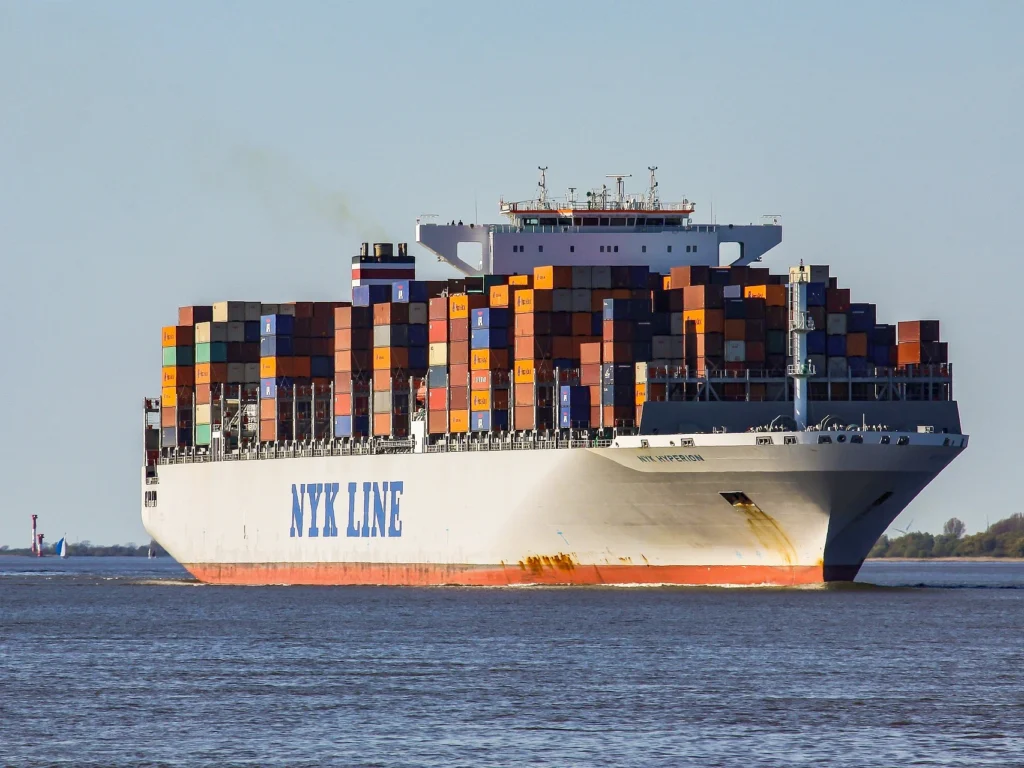
- Sea freight: The standard mode for international crane delivery. Transit time varies significantly by origin and destination.
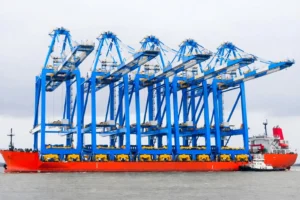
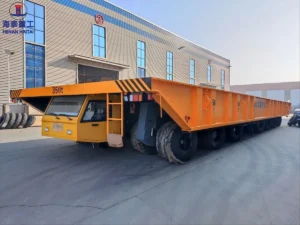
- Oversized cargo: Large crane components — main girders, legs, runway beams — typically ship as project cargo on flat-rack or open-top containers, or as breakbulk cargo on specialized vessels
- Customs clearance: Import documentation, tariff classification, and customs processing add time at the destination port. In some markets, import licenses or local certification may be required before clearance is granted
- Inland transport: From the destination port to the installation site, oversized loads may require special transport permits and route surveys
Typical duration: 7–45+ days, depending on the shipping route and destination. Regional deliveries within the same continent are faster; intercontinental shipments to remote destinations take longer.
6. Installation and Commissioning
On-site installation begins once the crane arrives and the site is ready. The sequence typically covers:
- Rail installation: Where not already completed, runway rails are aligned, leveled, and fixed to the supporting structure
- Crane assembly: Major structural sections are lifted into position and bolted together; end trucks are connected to the bridge
- Electrical commissioning: Power supply is connected, control panels energized, and all electrical functions tested on site
- Operator training: The installation team trains designated operators on crane controls, load limits, and daily inspection procedures
- Final acceptance testing: The crane is run through a full operational test cycle under load to confirm performance before handover
Typical duration: Several days to several weeks, depending on crane size, site conditions, and whether rail installation is included in the scope.
Factors That Affect Crane Lead Time
Customization Level
A crane specified within a supplier’s standard range — familiar spans, standard capacities, common electrical configurations — moves through design and fabrication faster than one requiring non-standard engineering. Unusual bay widths, special headroom constraints, non-standard voltages, or integration with automation systems all add engineering time before fabrication can begin.
Crane Type
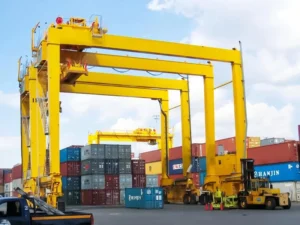
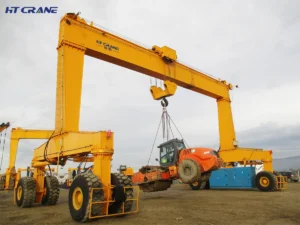
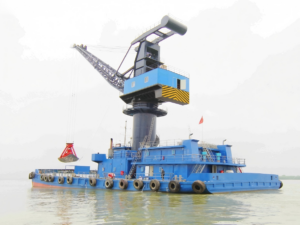
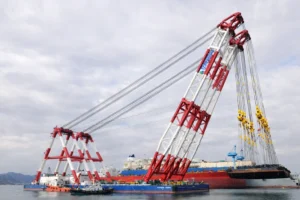
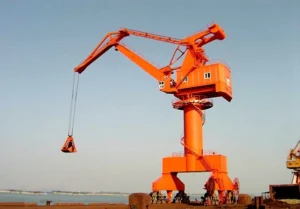
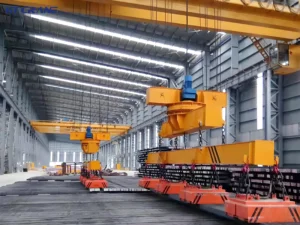
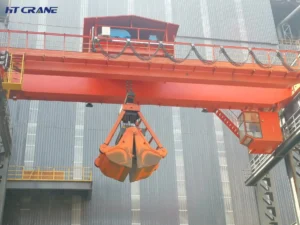
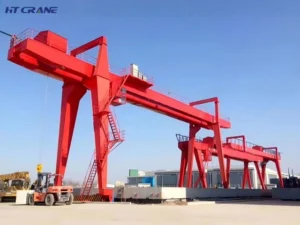
Not all crane types carry the same manufacturing timeline. Single girder overhead cranes for general industrial use are among the fastest to produce. Double girder cranes, large-span gantry systems, and port cranes involve more structural fabrication, more component assembly, and more extensive testing before shipment.
Production Schedule and Factory Capacity
A supplier operating at full capacity during a peak order period will have a longer queue than one with available production slots. Buyers who inquire during high-demand periods — often the first and third quarters in many manufacturing markets — should factor potential queue time into their project schedule.
Material and Component Availability
Steel supply, motor lead times, gearbox availability, and drive system delivery all affect how quickly fabrication can proceed. In periods of supply chain pressure, certain components — particularly imported electrical equipment — can extend the manufacturing timeline beyond what the structural fabrication would otherwise require.
International Shipping Conditions
Port congestion, vessel availability, and seasonal shipping demand all vary. Booking cargo space on specialized vessels for oversized project cargo requires advance planning. Customs clearance delays at the destination port are common and should be treated as a risk to be planned around rather than an exception.
Site Readiness
A crane arriving at an unprepared site — no runway rails, incomplete foundations, power supply not yet connected — cannot be installed on schedule regardless of how smoothly the manufacturing and shipping phases went. Site readiness is a buyer-controlled variable that has a direct impact on the total project timeline.
How Buyers Can Reduce Crane Delivery Delays
Finalize Technical Requirements Early
The engineering design phase cannot begin until the technical scope is confirmed. Buyers who arrive with clear requirements — load capacity, span, lifting height, duty cycle, and site drawings — allow the engineering team to move directly into design without iterative clarification rounds.
Confirm Drawings Quickly
Design approval is a buyer-controlled step. Drawings submitted for review and left waiting for internal approval delay the start of fabrication by the same number of days. Assign a specific person with authority to review and approve crane drawings, and set a target turnaround time.
Prepare the Installation Site in Advance
Begin civil works — foundation preparation, rail installation, and power supply connection — as soon as the crane design is confirmed. These activities can run in parallel with manufacturing. A site ready to receive the crane the day it arrives eliminates one of the most common sources of project delay.
Choose Manufacturers with Export Experience
Suppliers familiar with international shipping documentation, customs requirements, and oversized cargo logistics will handle the shipping phase more reliably than those without that experience. Ask specifically about the supplier’s experience with delivery to your region and whether they manage shipping directly or through a freight forwarder.
Plan for Shipping Risk
Build buffer time into the project schedule for customs clearance and port handling. In most international crane projects, two to four weeks of buffer in the shipping phase is a reasonable allowance. Projects on tight schedules should discuss expedited shipping options during the contracting phase.
Align Civil Engineering and Crane Delivery Schedules
The crane delivery timeline and the civil engineering schedule are interdependent. The crane erection cannot begin until the runway rail system is installed and aligned. The rail system cannot be installed until the building columns or foundations are complete. Map these dependencies explicitly in the project schedule from the start.
Why Custom Crane Projects Take Longer
Engineering Customization Takes Time — and Prevents Larger Problems
A crane built to a specific site’s parameters performs better, lasts longer, and requires less adaptation during installation than a standard unit that has been modified in the field. The engineering time invested at the start of a project reduces the risk of costly surprises during installation or early operation.
Safety Compliance Requirements
Cranes exported to different markets must meet the safety and certification standards of those markets. CE marking under the EU Machinery Directive, ISO 4301 duty class compliance, EAC certification for Eurasian markets, or locally required third-party inspections all add process steps that cannot be bypassed. These requirements protect the buyer and the end user — they are not optional steps that can be eliminated to save time.
Voltage and Electrical Standards
Electrical systems must be designed and assembled for the specific supply voltage, frequency, and protection requirements of the installation country. A crane designed for 380V/50Hz European supply cannot be directly connected to a 480V/60Hz North American power system. These differences are resolved during engineering — which is another reason why the design phase matters and cannot be rushed.
Site-Specific Adaptations
Non-standard headroom, unusual environmental conditions (high humidity, extreme temperatures, explosive atmospheres), or integration with existing automation systems all require engineering work that a standard product does not. This work takes time, but it produces a system that actually fits the application.
Working with a Reliable Crane Manufacturer
Project Management and Communication
An experienced crane manufacturer assigns a dedicated project manager to each order. This person coordinates between the engineering team, production floor, logistics department, and the buyer — providing regular status updates and flagging schedule risks before they become delays. Buyers should expect this level of communication and ask for it explicitly if it is not offered.
Manufacturing Transparency
Reputable suppliers provide production milestone reports and, on request, factory inspection access. Being able to verify progress during the manufacturing phase — not just at the point of shipment — gives buyers earlier warning of potential delays and the opportunity to adjust downstream plans accordingly.
Export and Logistics Experience
A supplier with established export experience handles shipping documentation, customs paperwork, and oversized cargo coordination efficiently. This experience reduces the risk of avoidable delays at the shipping and customs stage — a part of the timeline that buyers often underestimate.
After-Sales Installation Support
Installation is the final phase of the lead time, and it is where gaps in planning become visible. A manufacturer who provides qualified installation engineers, a structured commissioning process, and on-site operator training delivers a fully operational system — not just a crane that has been assembled. This end-to-end support is a meaningful differentiator when evaluating suppliers.
Contact us for customized crane delivery planning — we provide detailed project schedules from order confirmation through to commissioned handover, with milestone tracking throughout.

Conclusion
Crane lead time is not a single number — it is a sequence of interdependent phases, each with its own variables and risks. From technical consultation and engineering design through fabrication, factory testing, international shipping, and on-site installation, a typical industrial crane project spans anywhere from 30 days for a simple overhead crane to 180 days or more for a large, highly customized port system.
The buyers who manage this timeline most effectively are those who understand it earliest. Finalizing technical requirements before placing an order, approving drawings quickly, preparing the installation site in parallel with manufacturing, and selecting a supplier with genuine export experience — these steps collectively reduce the gap between expected and actual delivery.
Plan your crane project with the full timeline in mind, not just the manufacturing phase. The earlier that planning begins, the more control you have over the outcome.
Frequently Asked Questions
How long does a standard overhead crane take from order to delivery?
For a single girder overhead crane in a standard capacity and span range, manufacturing typically takes 15 to 30 days after design approval. Add shipping time — which varies widely by destination — and site installation, and the total project timeline commonly falls between 30 and 60 days for regional deliveries. International projects with longer shipping routes or more complex installation requirements extend beyond this range. The most reliable estimate comes from discussing your specific requirements with the supplier before placing an order.
What causes crane delivery delays most often?
The most common causes are late drawing approval by the buyer, site unreadiness at the time of crane arrival, and international shipping disruptions — particularly customs clearance delays and port congestion. All three are manageable with advance planning. Buyers can control drawing approval turnaround and site preparation. Shipping delays can be mitigated by building buffer time into the project schedule and working with a supplier who has established freight arrangements for your destination region.
Does buying a standard crane instead of a custom one significantly reduce lead time?
In some cases, yes. A crane that falls within a supplier’s standard production range — familiar spans, standard capacities, common electrical configurations — moves through engineering and fabrication faster. However, most industrial crane projects involve at least some site-specific parameters that require engineering confirmation, even for otherwise standard cranes. The difference in lead time between a standard and a custom crane is often smaller than buyers expect. Discuss specifically which elements of your requirement are standard and which are custom with your supplier during the quotation phase.
Can cranes be shipped by air freight to reduce delivery time?
Air freight is not a practical option for industrial cranes. Crane components — steel girders, end trucks, hoisting machinery — are heavy, bulky, and in many cases oversized. Air freight is limited to small replacement parts or critical components where a manufacturing delay needs to be recovered. The main crane structure and mechanical components will always travel by sea or road freight. Planning ahead and managing the sea freight timeline is the effective strategy for controlling delivery time.
What certifications are commonly required for crane export, and do they affect lead time?
The most common certification requirements are CE marking for European markets (required under the EU Machinery Directive 2006/42/EC), EAC certification for Russia and Eurasian Customs Union markets, and various national standards in other regions. Third-party inspection by accredited bodies such as Bureau Veritas, SGS, or TÜV may also be specified by the buyer or required by local regulation. These processes add time — typically 3 to 10 additional days for inspection and certification at the factory testing stage. Buyers should declare certification requirements at the quotation stage, not after manufacturing has begun.