Choosing between a straddle carrier and an RTG crane is one of the most consequential equipment decisions a container terminal makes. Both handle containers efficiently. Both are proven in major port operations worldwide. But they suit fundamentally different terminal layouts, throughput models, and operational philosophies.
Get this decision right and your yard operates smoothly for 20 years. Get it wrong and you are managing a mismatch between equipment capability and terminal design from day one.
This guide compares straddle carriers and RTG cranes across the factors that matter most to terminal planners and procurement teams: yard density, flexibility, capital investment profile, operating costs, and long-term scalability. By the end, you will have a clear framework for evaluating which system fits your operation.
Understanding the Two Systems
Before comparing performance, it helps to understand what each machine is — and what it is designed to do.
What Is a Straddle Carrier
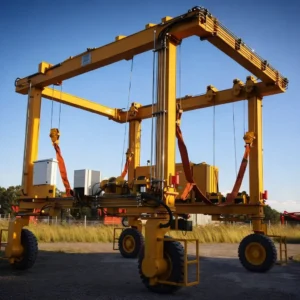
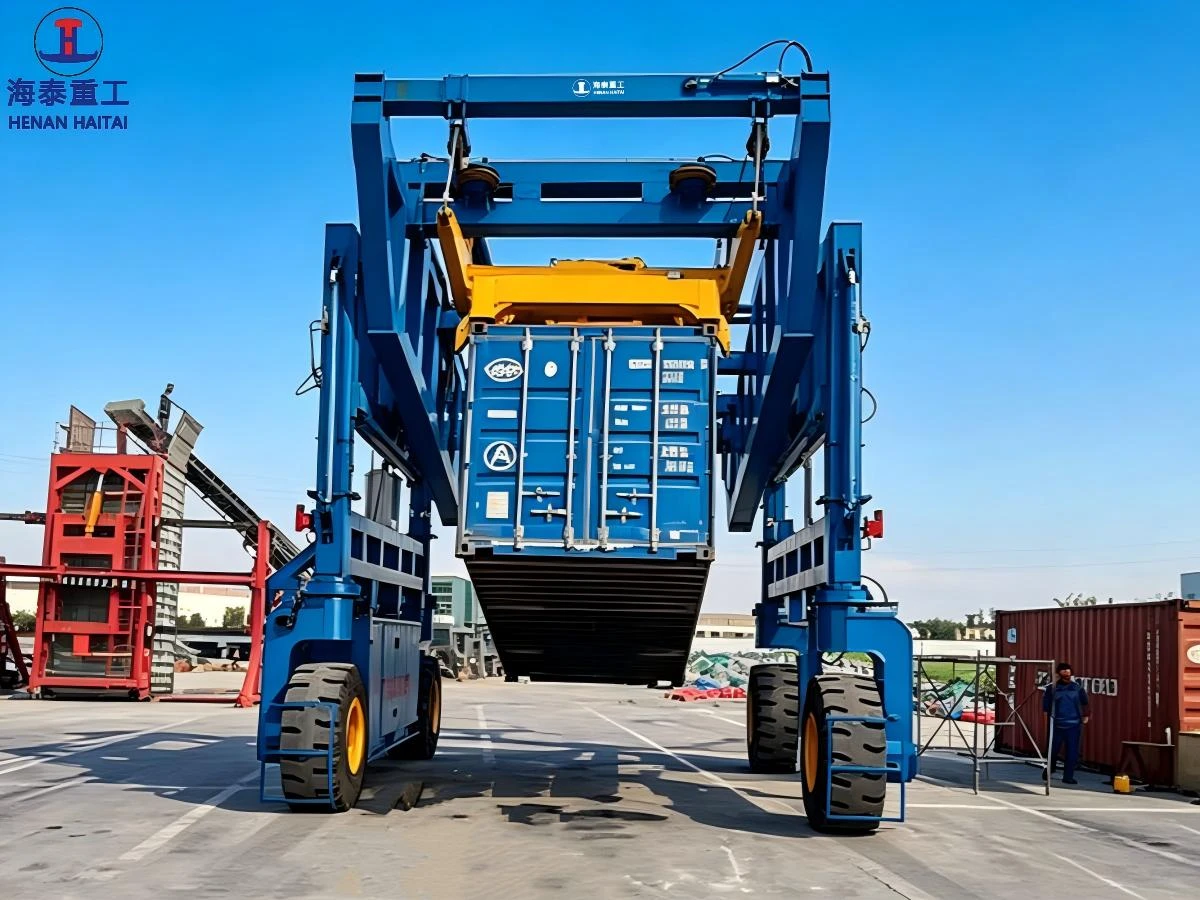
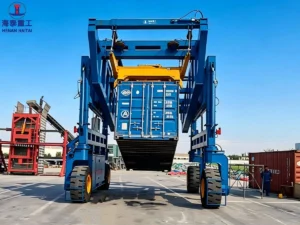
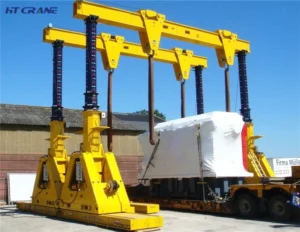
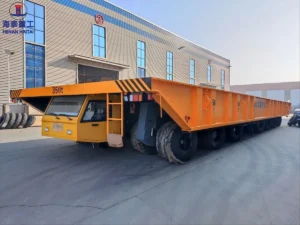
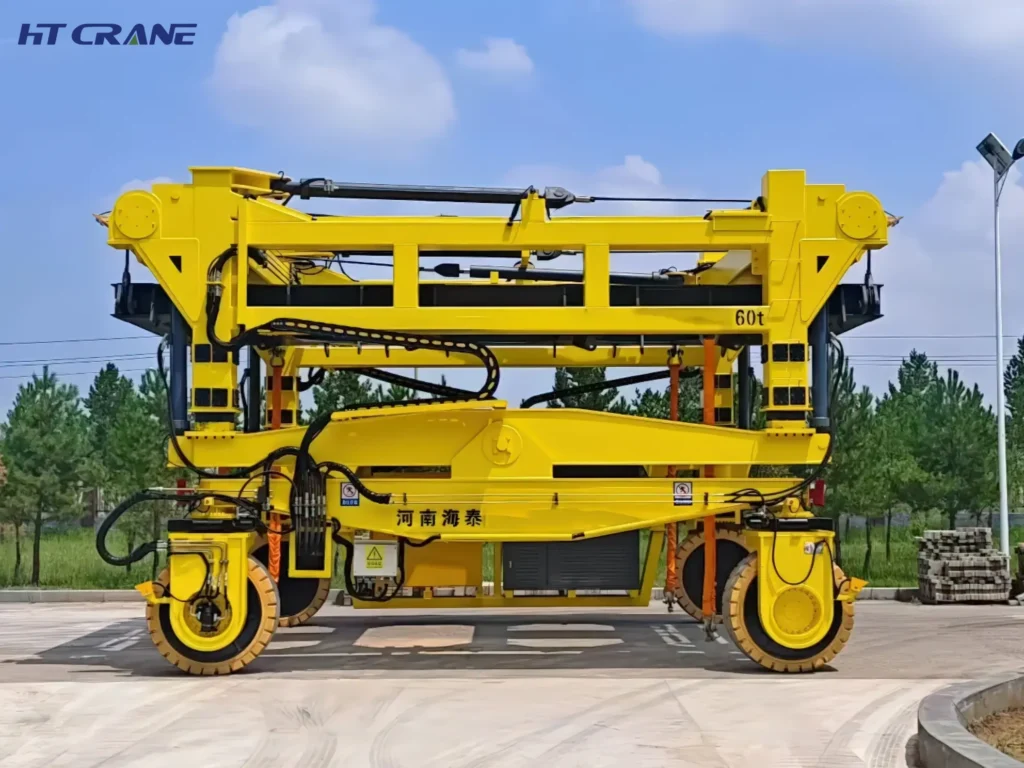
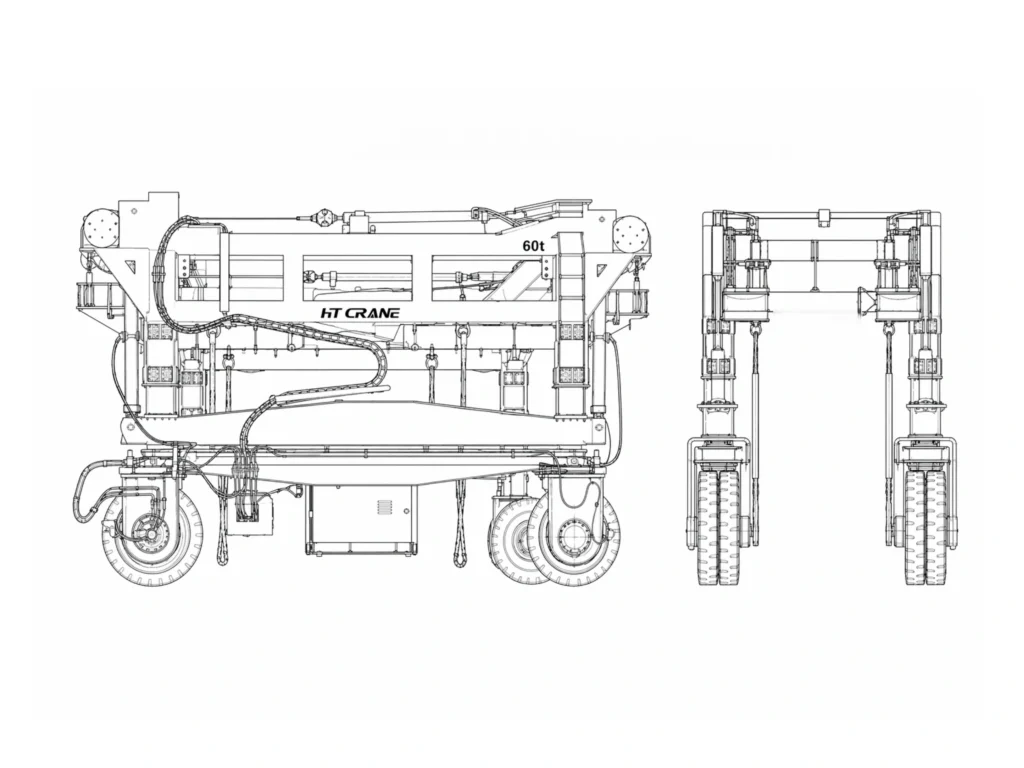
A straddle carrier is a self-propelled rubber-tired vehicle that straddles containers and lifts them using a built-in hoist mechanism. It operates independently, without fixed infrastructure. A single machine picks up, transports, and stacks containers — typically to a height of 1 over 2 (one container high on top of two stacked) or 1 over 3 in high-straddle configurations.
Straddle carriers are highly maneuverable. They do not require fixed rail systems or gantry structures. This makes them well suited to terminals where flexibility and rapid reconfiguration are priorities.
What Is an RTG Crane
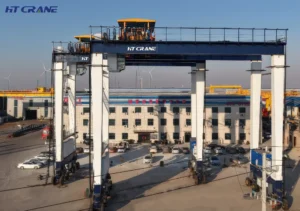
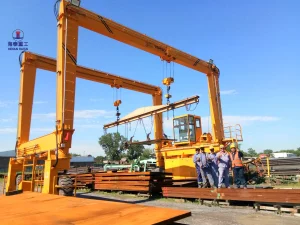
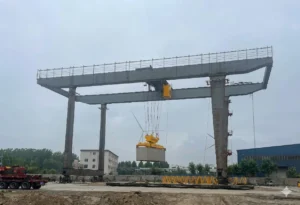
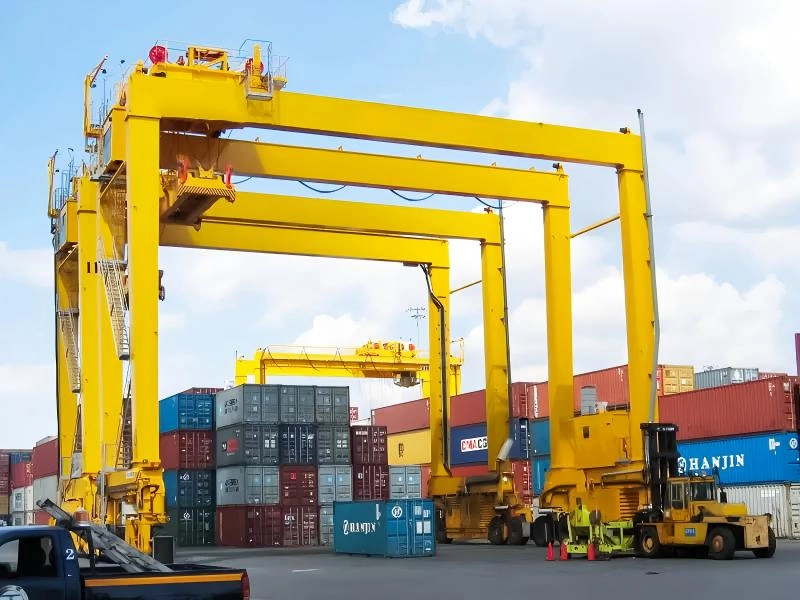
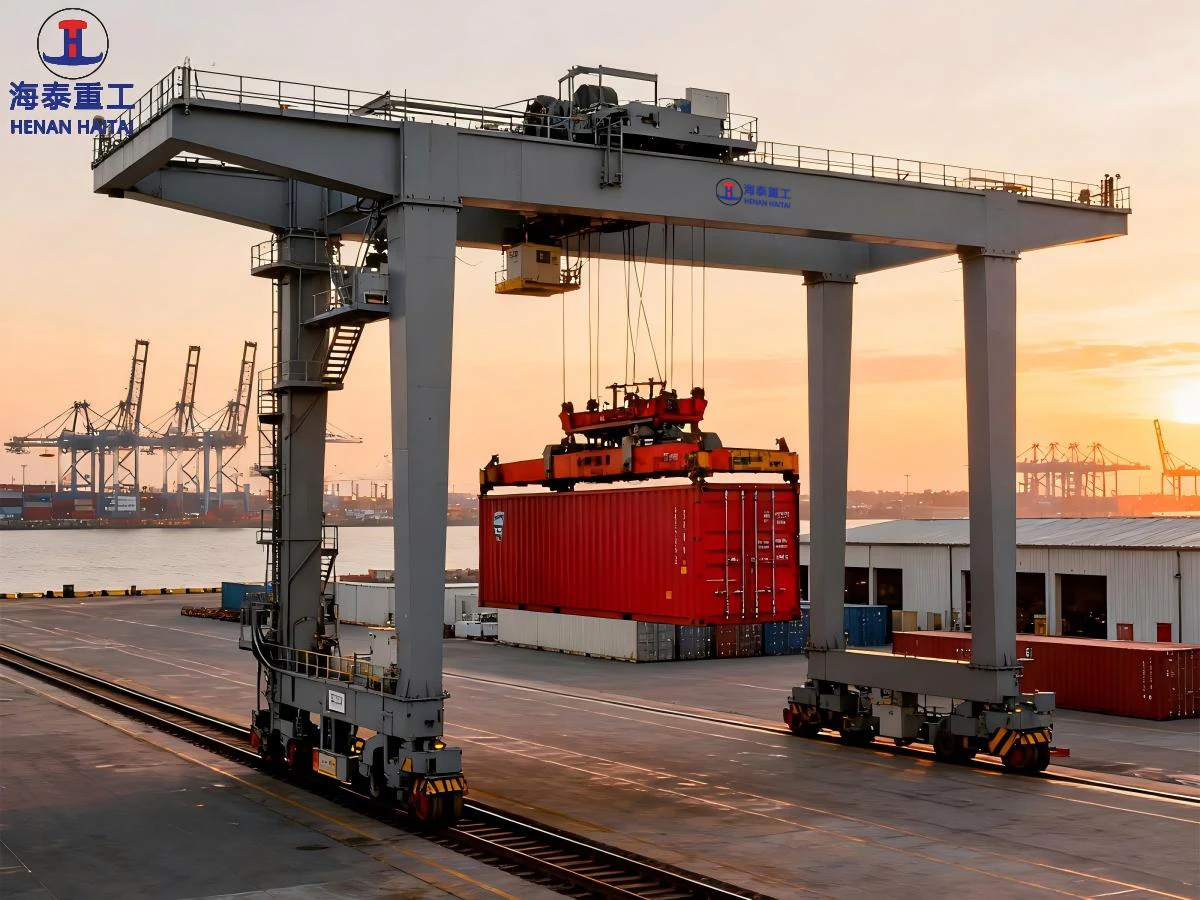
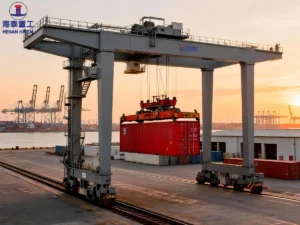
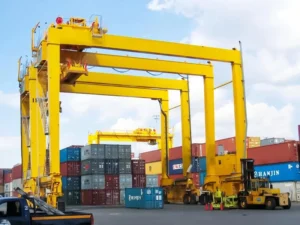
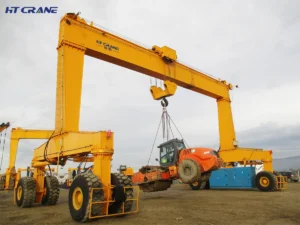
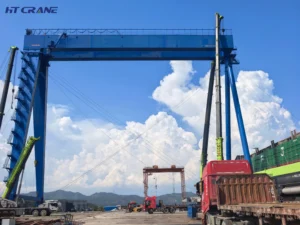
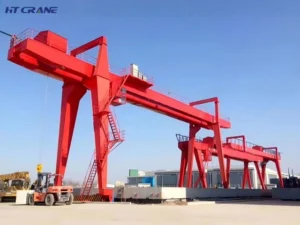
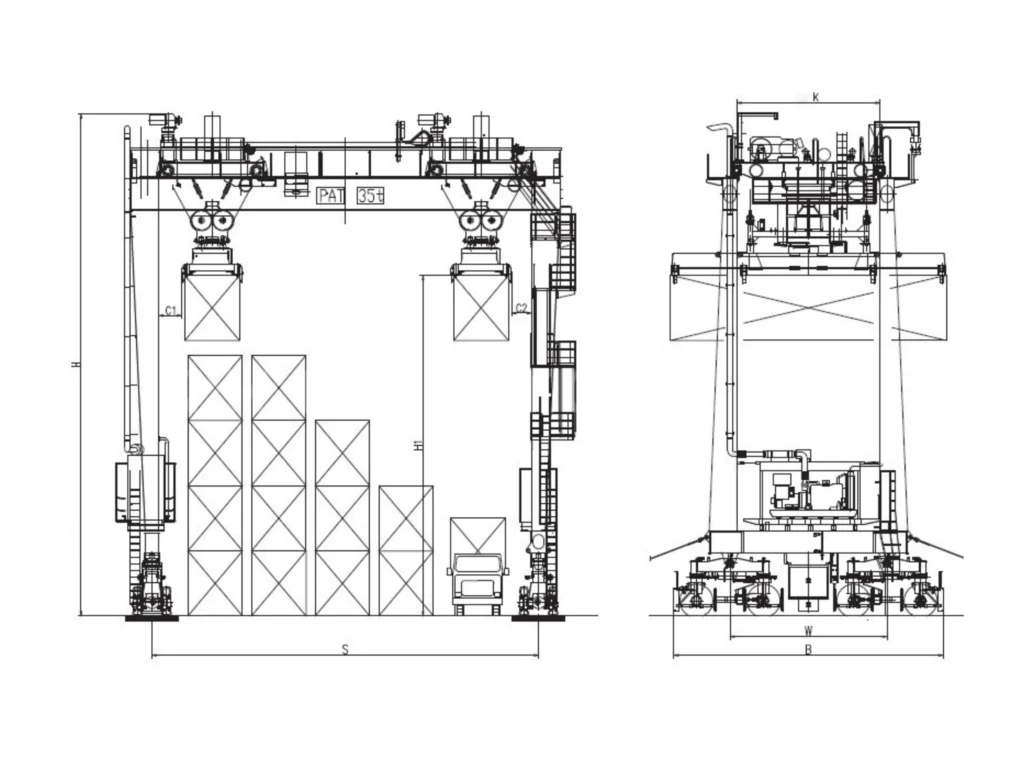
A Rubber Tyred Gantry crane is a rail-free gantry structure mounted on rubber tires. It spans multiple container rows — typically 6 to 10 containers wide — and stacks containers up to 5 or 6 high. RTG cranes are stationary during operation and move between rows by traveling on their rubber tires when repositioning.
Unlike straddle carriers, RTG cranes are dedicated stacking machines. They do not transport containers across the yard. A separate horizontal transport system — reach stackers, terminal tractors, or automated guided vehicles — moves containers to and from the RTG stack.

Side-by-Side Overview
| Feature | Straddle Carrier | RTG Crane |
|---|---|---|
| Function | Lift, transport, and stack | Stack only (fixed row operation) |
| Stacking height | 1 over 2 to 1 over 3 | Up to 1 over 5 or 6 |
| Yard density | Lower | Higher |
| Infrastructure required | Minimal | Requires yard pavement, power supply |
| Horizontal transport | Self-contained | Requires separate vehicles |
| Flexibility | High | Moderate |
| Typical terminal size | Small to mid-size | Mid-size to large |
Yard Density and Space Efficiency
Yard density is often the deciding factor between these two systems. If land is constrained, the numbers favor RTG cranes clearly.
How RTG Cranes Maximize Ground Space
RTG cranes stack containers higher — up to 6 containers — and span wider rows than straddle carriers can manage. This vertical and lateral stacking efficiency means more TEUs (twenty-foot equivalent units) per square meter of yard area. For terminals in urban port locations where land expansion is not possible, RTG stacking density is a significant operational advantage.
A typical RTG block handles 6 to 10 container rows with stacking heights of 4 to 6 containers. Yard utilization rates in RTG-equipped terminals consistently run higher than straddle carrier terminals of equivalent footprint.
Where Straddle Carriers Hold Their Own
Straddle carriers compensate for lower stacking height with operational simplicity. There are no fixed lanes, no dedicated row assignments, and no dependency on a separate horizontal transport fleet. Each machine handles the full container movement cycle — from quay transfer to yard position — independently.
For terminals with moderate throughput targets and available land, the lower infrastructure investment and simpler operational model of a straddle carrier system can outweigh the density advantage of RTG cranes.
Flexibility and Operational Adaptability
Terminal operations change. Vessel schedules shift. Cargo mix evolves. The equipment that handles change well is often worth more than the equipment that performs best under static conditions.
Straddle Carrier Flexibility Advantages
Straddle carriers operate without fixed infrastructure. Yard layout can be reconfigured without civil engineering work. Machines can be redeployed to different yard zones as demand patterns shift. This flexibility is particularly valuable for multi-purpose terminals handling a mix of container, break-bulk, and ro-ro cargo.
Adding capacity is straightforward: purchase additional units. There is no need to extend gantry structures or install new rail systems.
RTG Crane Constraints and How Terminals Manage Them
RTG cranes are efficient within their designated block but less adaptable outside it. Repositioning an RTG crane between yard blocks requires careful planning and takes time. For terminals with highly variable cargo patterns or seasonal throughput peaks, this rigidity can create operational bottlenecks.
Modern RTG systems partially address this through automation and advanced yard management software. Automated RTG (ARTG) configurations reduce dependency on operator availability and improve consistency — but at a higher capital cost.
Power Supply and Emissions Considerations
Environmental compliance is an increasingly important factor in terminal equipment procurement, particularly in European and North American ports operating under emissions regulations.
RTG Electrification Options
RTG cranes are well suited to electrification. Cable reel or busbar power supply systems eliminate diesel generation entirely during stacking operations. Hybrid RTG configurations — diesel-electric with regenerative energy recovery during lowering cycles — are now widely deployed and offer fuel savings of 30–50% compared to conventional diesel RTG operation.
Full electric RTG operation aligns with port decarbonization targets and reduces long-term fuel cost exposure. The infrastructure investment for electrification is a factor to include in your total cost of ownership calculation.
Straddle Carrier Emissions Profile
Traditional diesel straddle carriers have a higher per-machine emissions footprint than electrified RTG systems. Electric straddle carriers are available from several manufacturers but remain at a higher unit cost than diesel equivalents. For terminals with firm emissions targets or operating in regulated port zones, the electrification pathway for straddle carriers requires careful evaluation against RTG alternatives.
Which System Fits Your Terminal
Neither system is universally superior. The right choice depends on your specific operational conditions.
Choose an RTG Crane System If
- Your terminal has constrained land area and requires maximum yard density
- Throughput volumes are high and predictable, justifying fixed block infrastructure
- You are planning automation or semi-automation of yard operations
- Your power infrastructure supports electrification of stacking equipment
- Long-term operating cost reduction is a priority over initial flexibility
Choose a Straddle Carrier System If
- Your terminal has available land and moderate throughput targets
- Operational flexibility and rapid yard reconfiguration are priorities
- You handle mixed cargo types beyond standard ISO containers
- Capital investment in fixed infrastructure is a constraint
- Your operation requires a simpler, lower-infrastructure equipment model
For greenfield terminal projects, the decision often comes down to a detailed total cost of ownership analysis over a 15–20 year horizon — comparing capital expenditure, operating costs, maintenance, and throughput capacity under projected volume scenarios.
Making the Right Call for Your Terminal
Straddle carriers and RTG cranes both deliver reliable container handling performance in the right operational context. The decision is not about which machine is technically superior — it is about which system aligns with your terminal’s land constraints, throughput requirements, investment profile, and long-term strategy.
Define your yard density requirement first. Then assess your flexibility needs. Finally, model the total cost of ownership across your planning horizon. These three steps will give you a defensible, data-supported basis for your procurement decision.
If you are at the RFQ stage, request detailed yard simulation studies from shortlisted suppliers. Reputable manufacturers of both RTG cranes and straddle carrier systems provide terminal planning support as part of the pre-sale process. Use that support — it is one of the most valuable inputs available to procurement teams at this stage.

FAQ
Q1: Can straddle carriers and RTG cranes be used together in the same terminal?
Yes. Hybrid terminal configurations using both equipment types exist, though they are more common in large terminals with distinct operational zones. A typical hybrid approach uses straddle carriers for flexible quayside transfer and short-term storage, while RTG cranes handle high-density long-dwell stacking in the main yard. Managing two equipment systems adds operational and maintenance complexity. For most terminals, a single primary system with supplementary reach stackers or terminal tractors is simpler and more cost-effective than a full hybrid configuration.
Q2: What is the typical stacking height difference between straddle carriers and RTG cranes?
Standard straddle carriers stack containers to 1 over 2 (three containers high total) or 1 over 3 in high-straddle configurations. RTG cranes typically stack to 1 over 4 or 1 over 5, with some configurations reaching 1 over 6 for maximum density applications. This difference in stacking height directly affects yard density — RTG terminals can accommodate significantly more TEUs per square meter of ground area. For terminals where land cost or availability is a constraint, this stacking height advantage is often the primary argument for RTG crane selection.
Q3: How do maintenance requirements compare between the two systems?
Straddle carriers are self-contained machines with diesel engines, hydraulic systems, and drive components that require regular service. Each unit is maintained individually, and a fleet of 20 machines means 20 separate maintenance schedules. RTG cranes have fewer moving units but more complex structural and electrical systems per machine. Electrified RTG systems generally have lower maintenance costs than diesel equivalents due to fewer engine-related service requirements. For both systems, manufacturer-recommended preventive maintenance schedules and local parts availability are key factors to confirm before procurement.
Q4: Are automated RTG cranes significantly more expensive than manual RTG systems?
Automated RTG (ARTG) systems carry a higher capital cost than manual RTG configurations — the premium covers automation hardware, sensors, positioning systems, and yard management software integration. However, labor cost reduction over the equipment’s operational life often justifies the investment for high-throughput terminals operating multiple shifts. Semi-automated configurations, where the crane operates autonomously within the block but requires operator input for truck interchange, offer a middle path at a lower automation premium. The business case for automation depends heavily on local labor costs, throughput volumes, and operational shift patterns.
Q5: What ground bearing requirements should I plan for RTG crane installation?
RTG crane wheel loads under full rated capacity are substantial and must be reviewed by a structural or geotechnical engineer before yard construction or upgrade. Manufacturers provide certified wheel load data as part of their technical submittal. Yard pavement for RTG operations is typically reinforced concrete designed to specific bearing capacity requirements — thicknesses commonly range from 300mm to 600mm depending on soil conditions and crane specifications. Inadequate pavement is a known source of operational problems and unplanned maintenance costs in RTG terminals. Commission a full geotechnical survey before finalizing your pavement specification.