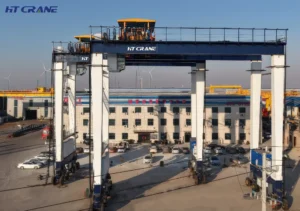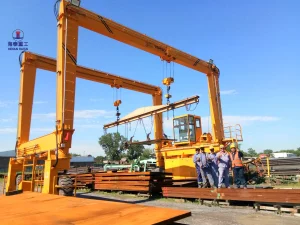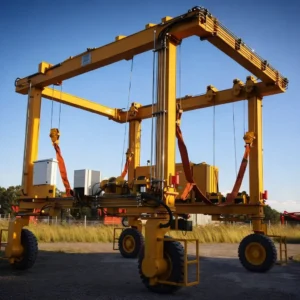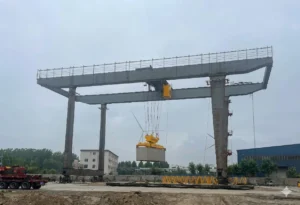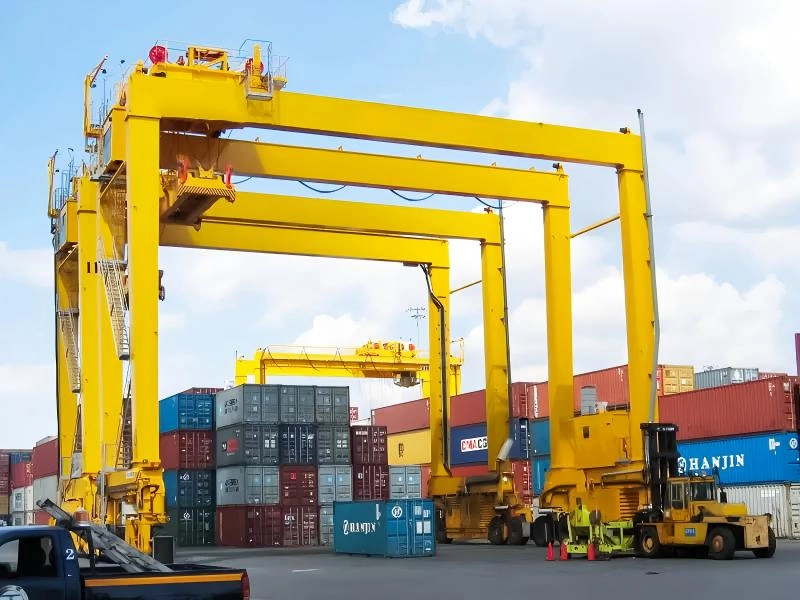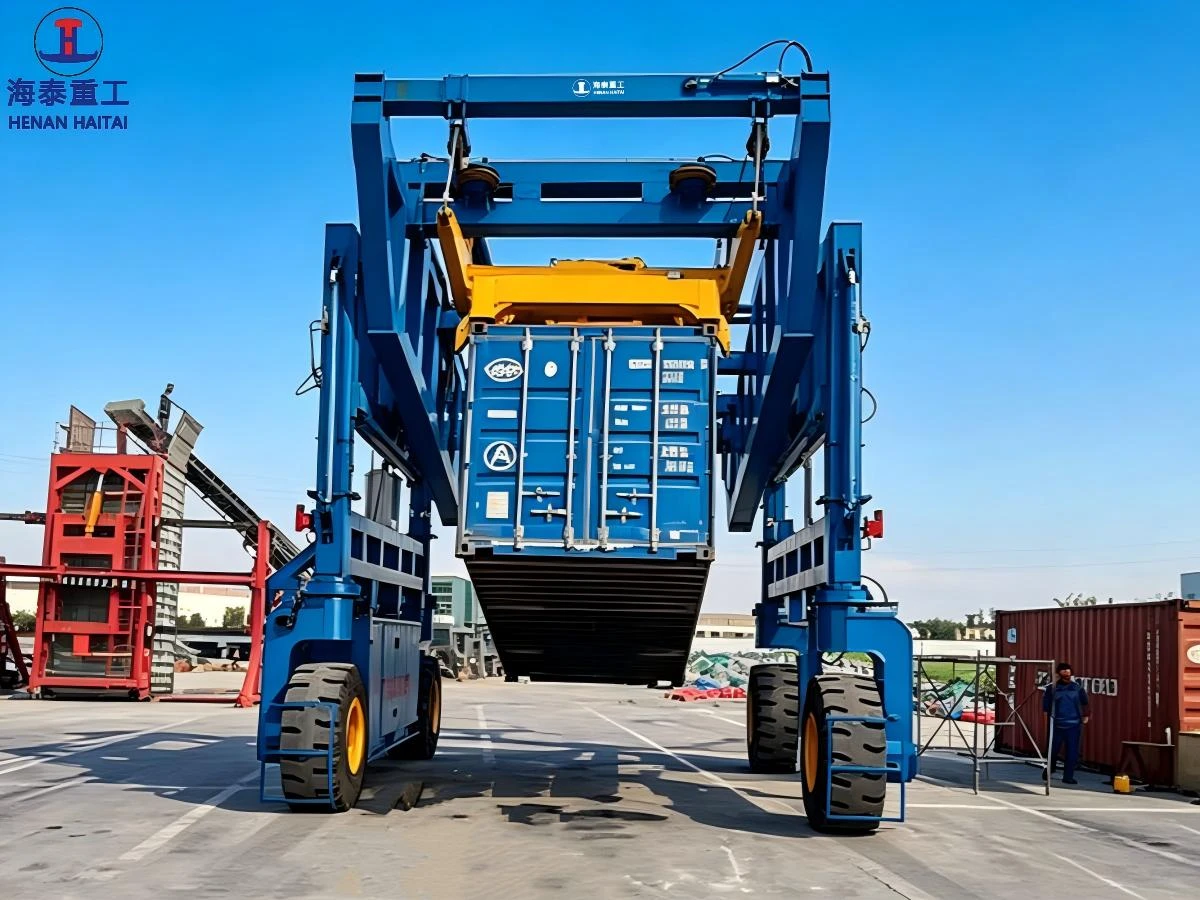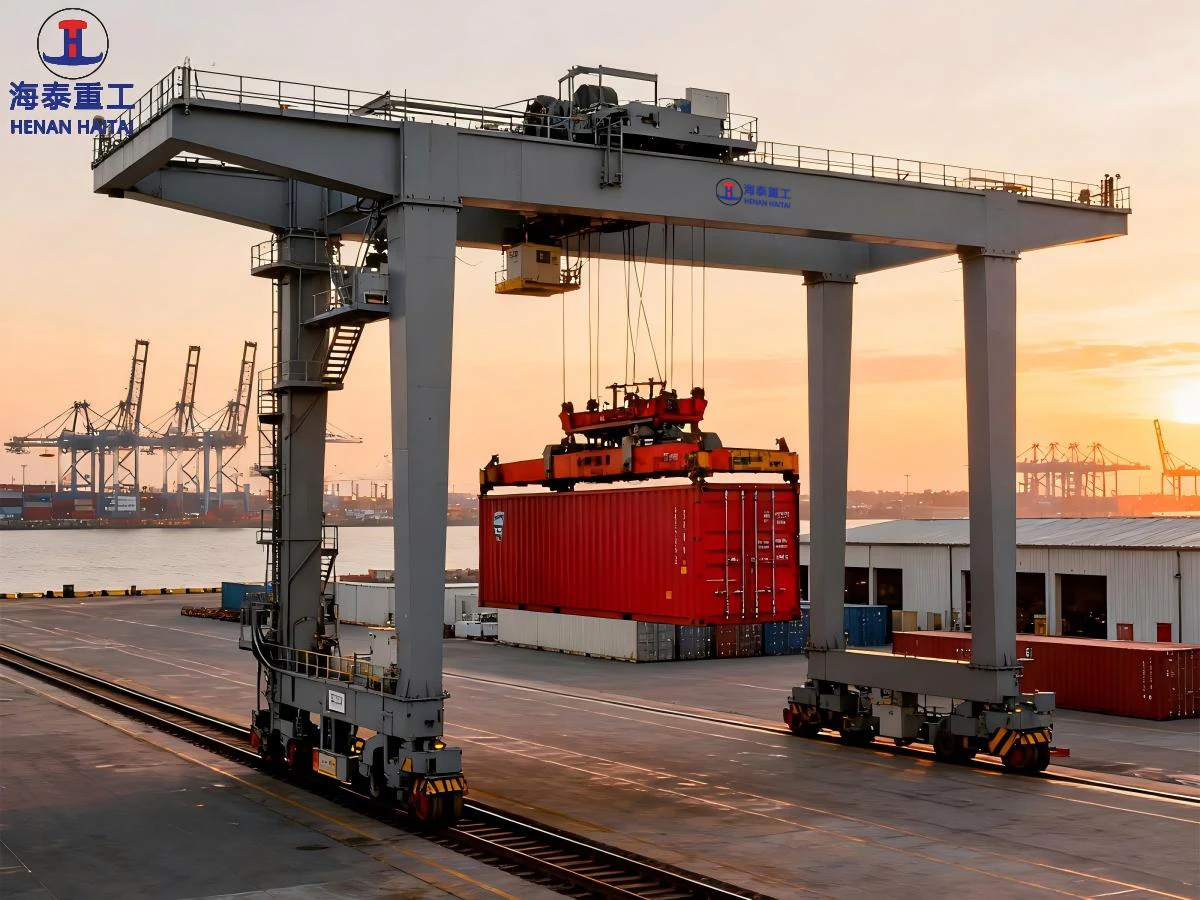
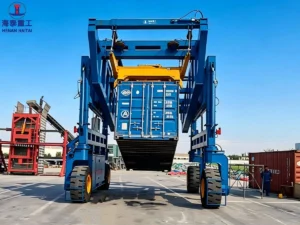
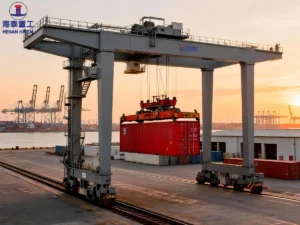
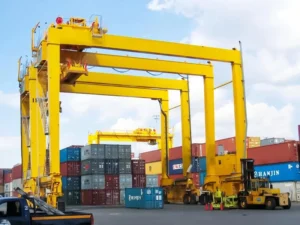
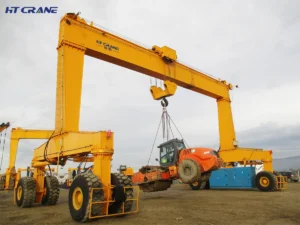
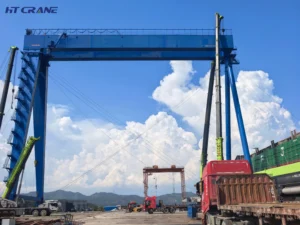
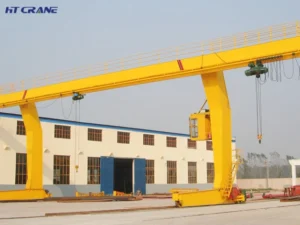
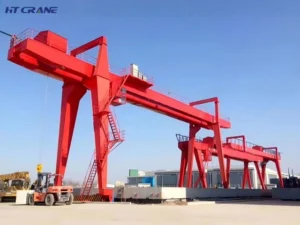
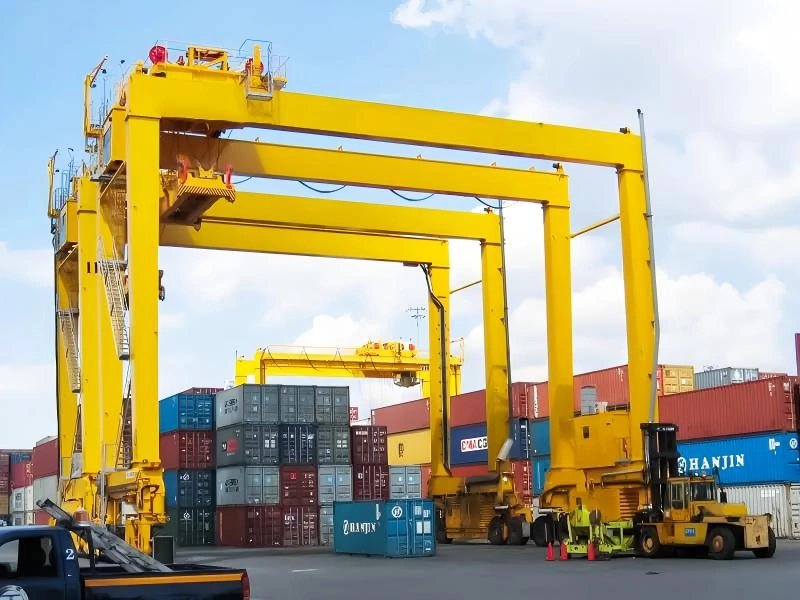
If your RTG crane goes down unexpectedly, port operations don’t just slow — they stop. Rubber-tyred gantry cranes are the backbone of container yard logistics, and their uptime directly affects throughput. Most unplanned failures are preventable. A structured RTG crane maintenance routine keeps equipment running reliably and extends service life well beyond the standard 20-year design benchmark.
This guide is built for the people who actually work with these machines — operators, maintenance technicians, and fleet managers. You’ll find a practical RTG crane maintenance checklist, clear service intervals, and the failure patterns that experienced teams know to watch for.
📥 Want a ready-to-use field checklist? Download the full RTG Crane Maintenance Checklist PDF at the end of this article — print it, sign it, and keep it on-site.
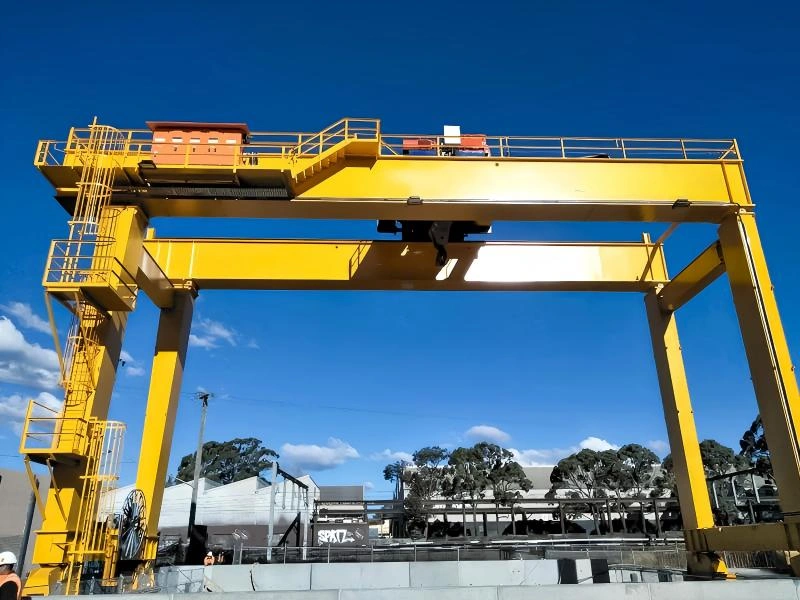
Daily RTG Crane Inspection: Checks Before Every Shift
Before an RTG crane moves a single container, the operator should complete a pre-shift inspection. This takes less than 15 minutes but prevents the majority of on-shift breakdowns.
Tyre and Ground-Level Inspection
Start at ground level. Walk the full perimeter and check the following:
- Tyres: Look for cuts, sidewall bulges, or uneven wear. RTG cranes typically run on 18.00-25 or 21.00-35 pneumatic tyres. Check pressure with a calibrated gauge — low pressure on one corner creates uneven load distribution across the entire structure.
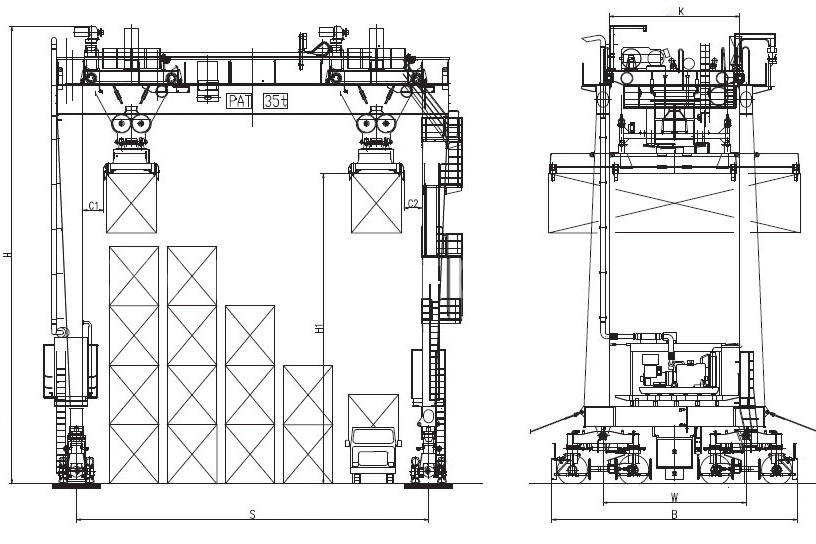
- Structural frame: Look for new cracks, bent members, or loose bolted connections. Pay particular attention to corner castings and leg-to-girder joints, which absorb the most dynamic stress during travel and lifting.
- Spreader bar: Inspect twist locks, guide flippers, and headblock connections. A stuck or misfiring twist lock is one of the most common causes of container drop incidents.
Hydraulic System and Fluid Checks
Check hydraulic oil levels before every startup. RTG cranes with hydraulic steering systems are sensitive to low fluid — cavitation in the steering pump can cause sudden loss of directional control. Check for oil pooling beneath the crane after overnight standstill. A small seep becomes a significant leak under operating pressure.
Engine coolant and diesel levels should be checked daily on diesel-electric models. On electric RTG (E-RTG) variants, inspect the cable drum and festoon for fraying or exposed conductors.
RTG Crane Maintenance Schedule: Weekly Service Tasks
Weekly RTG crane servicing targets systems that degrade gradually — wear that’s invisible on a daily inspection but builds into serious failures over time.
Hoist Wire Rope Inspection
The hoist wire rope deserves close attention every week. Under ISO 4309, ropes must be inspected for broken wires, corrosion, and core deformation. A standard used by many port maintenance teams: more than 10% broken wires in a length equal to eight rope diameters means immediate replacement — don’t wait for the next scheduled change-out.
Trolley rails and wheel flanges should also be checked for lateral wear. Flange wear accelerates when the trolley frame is misaligned, a problem that often originates from earlier impact damage or uneven rail shimming.
Electrical Panel and PLC Fault Log Review
Open the main electrical cabinet and check for:
- Loose terminal connections — vibration loosens them over time
- Moisture ingress, especially in humid port environments
- Overheating signs: discoloration, burnt insulation smell, or tripped thermal relays
RTG crane PLC systems log fault codes continuously. Reviewing this log weekly and acting on recurring codes is one of the most cost-effective maintenance habits a port team can build.
RTG Crane Maintenance Intervals: Monthly Service Reference
| Component | Service Interval | Key Action |
|---|---|---|
| Hoist gearbox oil | Every 500 operating hours | Sample and analyze; replace at 2,000 hours |
| Slew ring lubrication | Monthly | Apply lithium-based grease per OEM spec |
| Wheel bearing inspection | Monthly | Check end-play and noise under load |
| Brake pad thickness | Monthly | Replace when below 3 mm |
| Diesel engine service | Every 250–500 hours | Filter, oil, belts per engine schedule |
| Cable reel inspection (E-RTG) | Monthly | Insulation resistance — minimum 1 MΩ |
Brake System Inspection
RTG crane brakes operate under high-cycle conditions. A typical container yard crane completes 100,000 or more lift cycles per year. Brake pads wear faster in dusty, salt-air environments. Check torque settings against the manufacturer’s specification — overtorqued brakes warp discs; undertorqued brakes fail to hold load.
Test the emergency brake monthly with a documented load test. This is required under EN 15011 for gantry cranes, which most port operations apply directly to RTG fleets.
Load Cell and Anti-Sway System Calibration
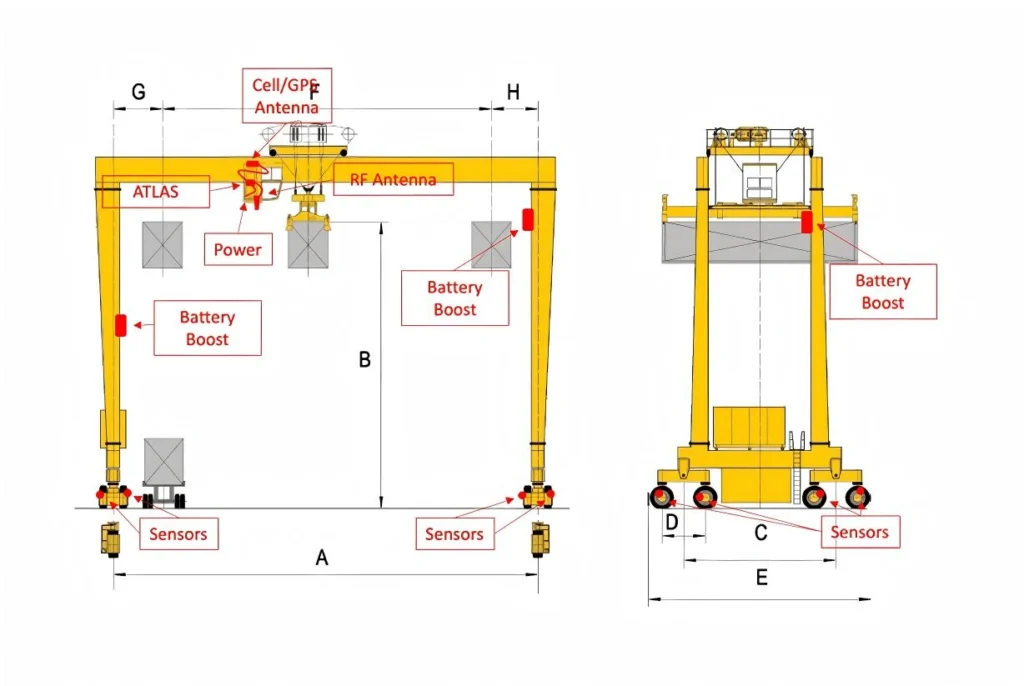
Modern RTG cranes use electronic anti-sway control to reduce container pendulum motion. The encoders, inclinometers, and load cells feeding this system need periodic calibration. An out-of-calibration load cell can cause the SWL limiter to trip erroneously — or worse, fail to trip when it should.
Calibrate load cells every six months using certified test weights. Calibration records are typically required for port authority safety audits.
RTG Crane Troubleshooting: Failure Patterns to Watch
Most RTG crane maintenance issues fall into a small number of recurring failure patterns. Knowing these lets you target inspections where they matter most.
Tyre Wear and Steering Misalignment
Uneven tyre wear almost always signals something deeper: misaligned steering geometry, incorrect tyre pressure, or a damaged axle component. Replacing tyres without diagnosing the root cause means premature repeat failure. Always perform a four-point laser alignment check after any tyre replacement or steering repair.
Spreader Twist Lock Contamination
Twist lock mechanisms fail in two ways: seizing when they should release, or releasing when they should hold. Most failures trace to contamination — salt spray, paint residue, and debris accumulating inside the mechanism. In high-throughput environments, clean and lubricate twist locks every 200 lift cycles.
Hoist Motor Overheating
RTG hoist motors generate significant heat during high-cycle operations. Blocked air filters, failed cooling fans, or incorrect duty cycle settings all lead to insulation breakdown and eventual motor failure. Monitor motor casing temperature during peak periods. Most AC hoist motors are rated for continuous duty at 40°C ambient — sustained temperatures above this range require immediate investigation.
Summary: Building a Reliable RTG Crane Maintenance Program
RTG crane maintenance doesn’t require complexity — it requires consistency. The equipment that stays reliable is supported by documented inspection routines, trained technicians, and a team culture that treats small findings as early warnings.
Three actions to start with:
- Implement a signed RTG crane inspection checklist for every operator, every shift.
- Build a service calendar aligned with your OEM manual and operating hours.
- Review PLC fault logs weekly — recurring codes are the clearest leading indicator of failure.
A well-maintained RTG crane routinely reaches 25,000–30,000 operating hours before major overhaul. Neglected machines rarely pass 15,000. The difference is almost always maintenance discipline, not equipment quality.
📥 Download: RTG Crane Maintenance Checklist (PDF)
Everything in this RTG crane maintenance guide — structured into a printable, signable field document your team can use on-site every day.
The checklist includes:
- Daily RTG crane inspection form with operator sign-off
- Weekly wire rope inspection table (ISO 4309 discard criteria)
- Monthly brake, load cell, and cable reel service forms
- Full RTG crane maintenance schedule reference table
- Common fault patterns and first-response guide
- Sign-off record for audit compliance
→ Download the Free RTG Crane Maintenance Checklist PDF
FAQ
Q: How often should RTG crane wire ropes be replaced?
Wire rope replacement depends on condition, not calendar time alone. Under ISO 4309, ropes are inspected weekly and retired based on discard criteria — broken wire count, corrosion, and deformation. In high-cycle port operations, many teams replace hoist ropes every 12–18 months as a precaution regardless of visual condition. Always retain records with rope batch details for full traceability during audits.
Q: What causes the most RTG crane downtime?
Electrical faults — PLC issues, encoder failures, and inverter drive trips — account for the largest share of unplanned RTG crane maintenance stoppages. These are almost always preceded by recurring fault codes that operators dismiss as intermittent. Weekly log reviews and early intervention eliminate the majority of these events before they become full breakdowns.
Q: Should tyre replacement follow a fixed interval?
Tyre condition should drive replacement, not a calendar date. Running worn tyres increases stress on bogie frames and creates uneven load paths through the structure. The cost of a tyre-related structural failure — repair time, inspection fees, and crane downtime — far exceeds any savings from delayed replacement. Use tread depth and sidewall condition as your primary guide.
Q: How do I verify my RTG crane’s load limiter is working?
Test with certified test weights every six months. Load the crane incrementally to rated SWL — the warning alarm should trigger at 110% and the cut-out at 125%. Document every result. If the limiter trips below SWL or fails to engage at the cut-out threshold, calibration or replacement is required before the crane returns to service.