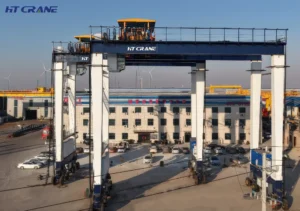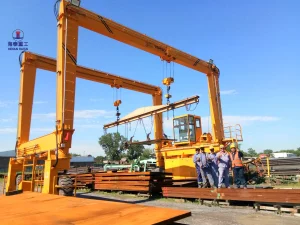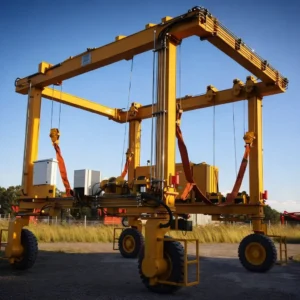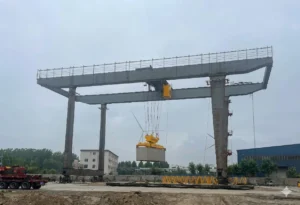
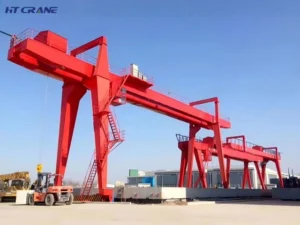
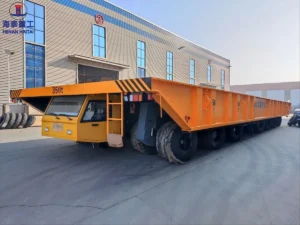
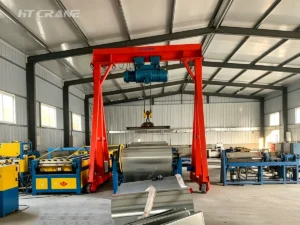
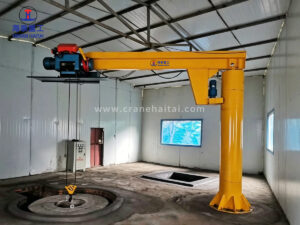
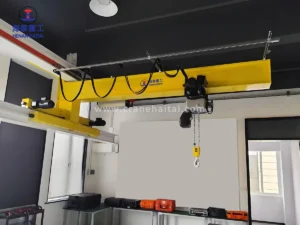
Heavy industry projects demand lifting solutions that handle massive loads safely in tight spaces. Hydraulic gantry systems meet this need better than many traditional options. They support capacities from 30T to 500 tons while operating in low headroom areas where overhead cranes or mobile units cannot fit. Procurement teams gain reliable performance, reduced setup time, and strong safety records.
This article explores the five main advantages these systems bring to power plants, shipyards, and large manufacturing upgrades. You will find clear explanations of each benefit, real-world examples, and simple steps to evaluate fit for your next project. The guidance helps you avoid common selection pitfalls and achieve smoother project outcomes.
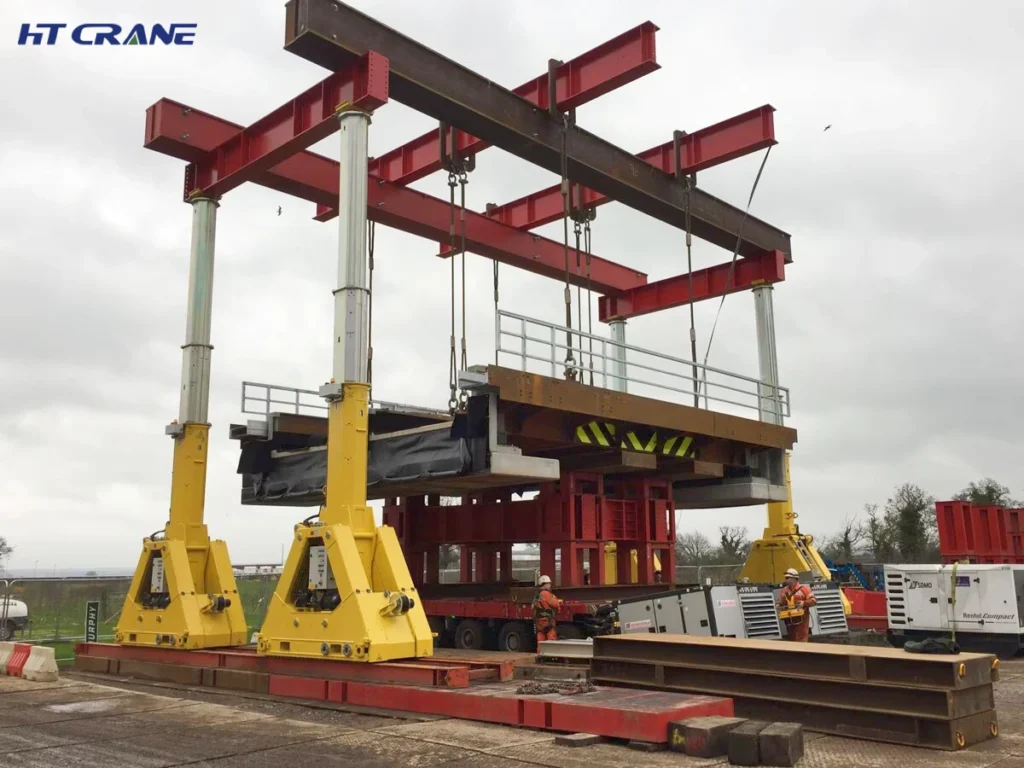
Why Heavy Industry Projects Need Advanced Lifting Solutions
Common Lifting Challenges on Site
Many projects involve installing heavy transformers, generators, or structural modules. Limited headroom, uneven ground, and strict timelines create problems for standard equipment. Fixed cranes require extensive foundations. Mobile cranes often need wide access roads that may not exist. These issues lead to delays and higher risk.
How These Systems Address Real Needs
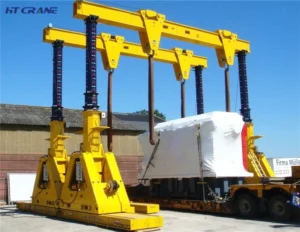
Hydraulic gantry systems use modular legs, hydraulic cylinders, and skid tracks. They lift and move loads precisely without permanent structures. Recent industry reports show steady demand growth in heavy sectors. The global hydraulic gantries market is projected to expand at a 6.7% CAGR through 2032, driven by infrastructure and energy projects.
Key Benefit 1: Exceptional Load Capacity with Precision Control
Technical Edge for Heavy Loads
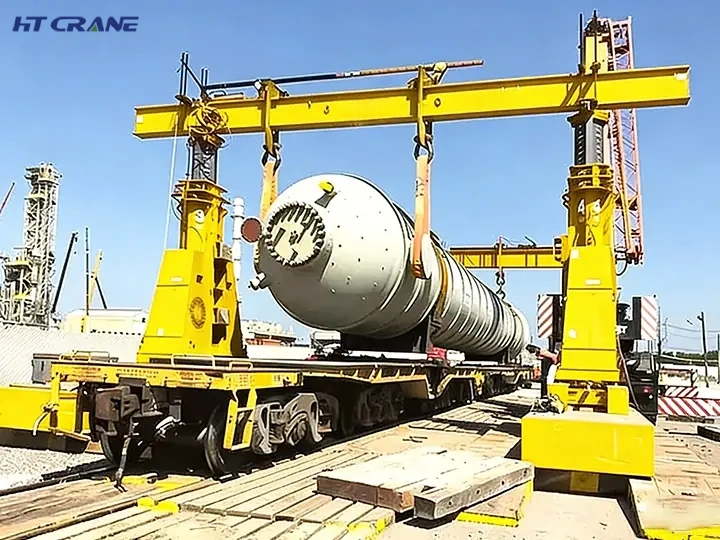
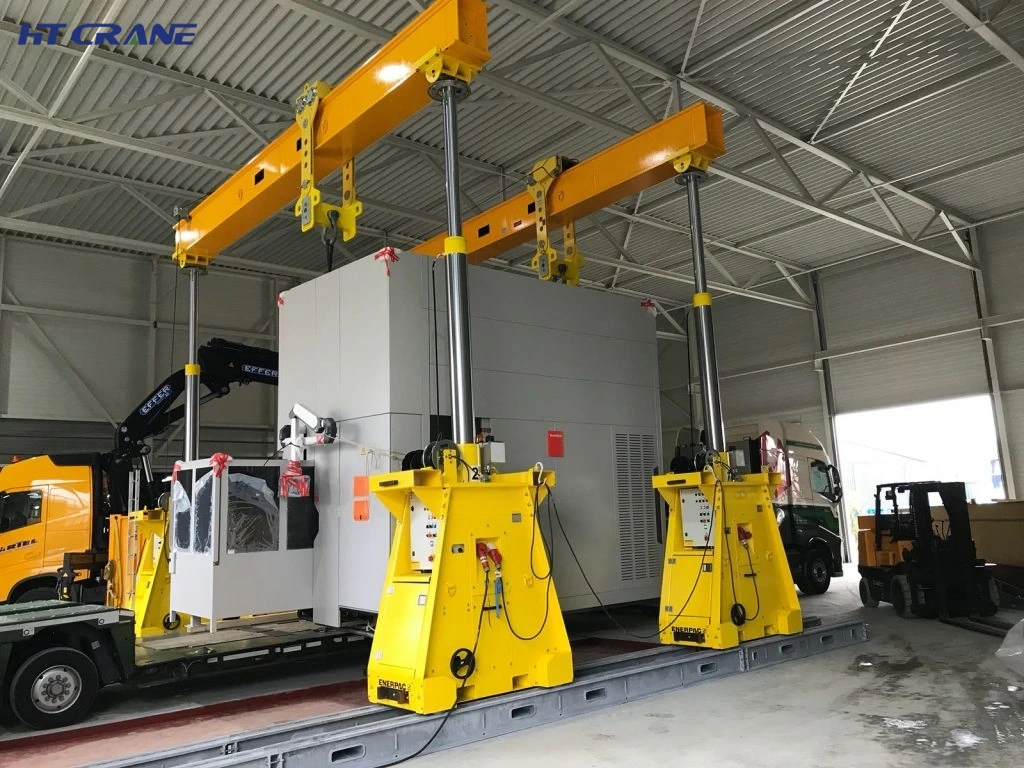
These systems reach 800 tons across four points. Stroke heights range from 5 to 12 meters with stable extension. Operators adjust lift speed and position in small increments. This precision prevents damage to expensive components during placement.
Real-World Application Example
In a typical power substation upgrade, crews used a 200-ton system to replace a large transformer. The equipment lifted the unit, shifted it sideways on tracks, and lowered it exactly onto the foundation. The process took one shift instead of several days. Similar results appear in documented power plant cases.
Key Benefit 2: Superior Flexibility in Confined Spaces
Operation Where Other Equipment Cannot Reach
Low clearance sites benefit most. Systems fold for transport and extend on site. They work indoors or outdoors without high overhead clearance. Leg spacing adjusts to fit narrow aisles or existing machinery.
Practical Advantages on Project Sites
Shipyards and manufacturing halls often have roof limits or crowded layouts. The systems navigate these areas easily. Crews avoid costly building modifications. Setup takes hours rather than weeks. This flexibility keeps projects on schedule even in older facilities.
Key Benefit 3: Rapid Deployment and Easy Mobility
Quick Setup Reduces Downtime
Modular design allows transport in standard trucks. On site, teams assemble the frame, connect hydraulics, and test in under a day. Skid tracks let the loaded system move horizontally with millimeter accuracy.
Cost and Time Savings in Practice
Projects gain from shorter rental or ownership periods. Less labor is needed for rigging and positioning. One power company noted mobilization time dropped by nearly half compared with traditional methods. The result is lower overall project overhead.
Key Benefit 4: Enhanced Safety and Regulatory Compliance
Built-In Features Protect People and Assets
Systems include overload sensors, synchronized lifting controls, and stable bases. They meet ASME B30.2-2022 requirements for gantry equipment. CE marking is standard on many models for international projects. Operators work from safe distances with remote controls.
Proven Track Record in Demanding Environments
Nuclear and oil facilities use these systems because of their stability. Anchoring options and load monitoring reduce tipping risks. Audits show fewer incidents than with improvised lifting methods. Compliance simplifies permitting and insurance reviews.
Key Benefit 5: Long-Term Value Through Efficiency and Lower Total Costs
Comparison of Key Metrics
The table below highlights differences in typical heavy industry scenarios.
| Aspect | Traditional Gantry Crane | Hydraulic Gantry System | Typical Project Outcome |
|---|---|---|---|
| Setup Time | 2–5 days | 4–8 hours | Faster project start |
| Headroom Requirement | High clearance needed | As low as 3–5 m | Works in existing buildings |
| Daily Moves Efficiency | Limited by access | High with track movement | Reduced re-handling |
| Labor Needed per Lift | Larger crew | Smaller team | Lower manpower costs |
| Compliance Ease | Varies by unit | Meets ASME B30.2 standards | Smoother audits and approvals |
Economic Impact Over Project Life
Lower maintenance comes from fewer moving parts in the lift zone. Energy use stays efficient during operation. Teams reuse the same system across multiple project phases. Over five to ten years, the approach often delivers measurable savings in labor, downtime, and rework.
Putting These Benefits into Action for Your Project
Hydraulic gantry deliver capacity, flexibility, speed, safety, and value that heavy industry projects require. The five benefits work together to reduce risk and improve timelines.
Start by listing your site constraints: load weight, available height, ground conditions, and schedule. Share these details with experienced suppliers early. Request a layout simulation and reference from similar projects. A short on-site trial can confirm fit before full commitment.
Think ahead to future needs. Modular systems adapt as your facility grows. The right choice today supports smoother operations for years ahead. If your next project involves heavy equipment installation or plant upgrades, these systems deserve serious consideration.
Contact a gantry specialist to review your requirements and explore tailored options.

FAQ
How do hydraulic gantry systems compare to traditional gantry crane for indoor heavy lifts?
Hydraulic gantry systems excel in low-headroom or crowded indoor spaces where mobile cranes need wide turning room and high clearance. They set up quickly on tracks and provide precise horizontal movement. Mobile cranes suit open outdoor areas but often require more rigging time. Choose gantries when your project has height limits or existing structures nearby.
What maintenance steps keep hydraulic gantry systems reliable on long projects?
Perform daily visual checks on hydraulic hoses and leg pins. Schedule monthly fluid checks and synchronization tests. Inspect tracks for wear before each major lift. Most systems need only basic lubrication and seal replacement. Local service teams can handle these tasks quickly, keeping availability high throughout multi-month projects.
Are hydraulic gantry cranes suitable for seismic or harsh environments?
Yes, many models include reinforced bases and damping features for stable operation. They meet international standards such as ASME B30.2. In power or industrial sites with vibration concerns, the systems anchor securely and monitor load balance continuously. Confirm site-specific ratings with the supplier before selection.
How can procurement teams evaluate if a hydraulic gantry system fits their budget?
Focus on total project impact rather than upfront cost. Calculate setup time, labor hours, and potential downtime savings. Request a full proposal that includes training and spare parts support. Compare performance data from similar past projects. A good supplier will provide a clear return-on-investment summary based on your exact load and site details.
What training is required for safe operation of hydraulic gantry systems?
Operators need basic rigging certification plus specific system training on controls and emergency procedures. Most manufacturers offer one- to two-day hands-on sessions. Key topics include load charting, synchronization, and track alignment. Certified teams reduce risk and speed up daily operations. Always verify training records before project start.