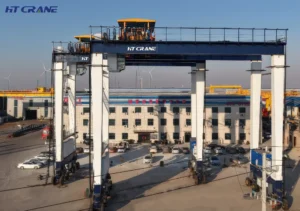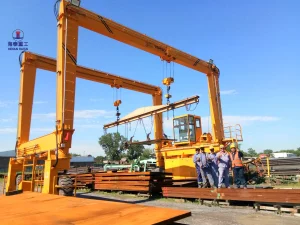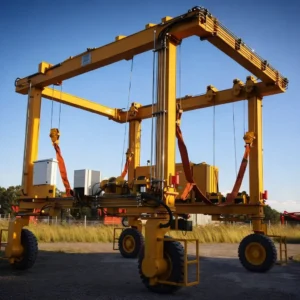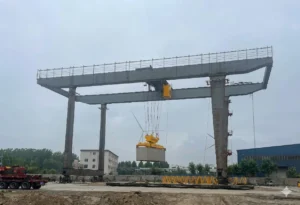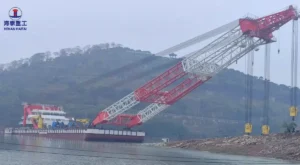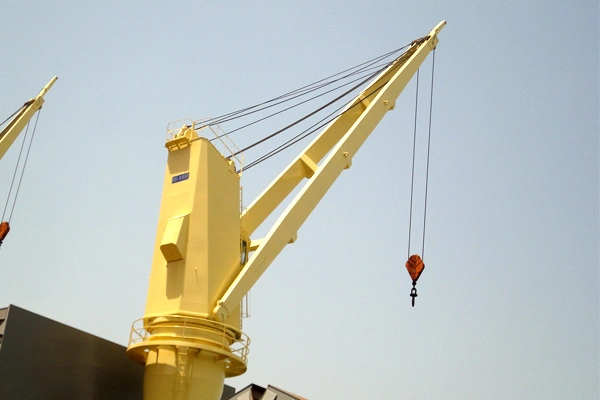
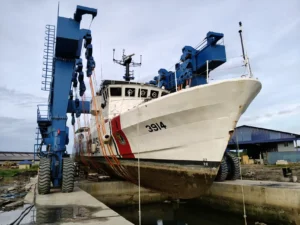
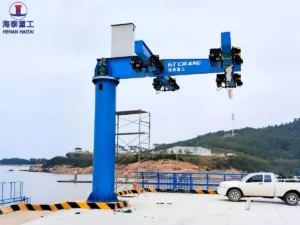
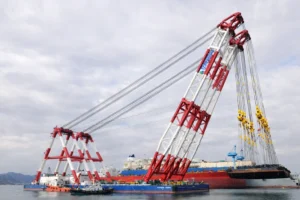
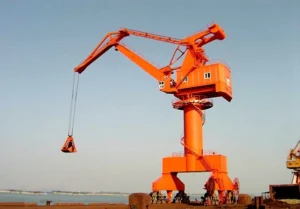
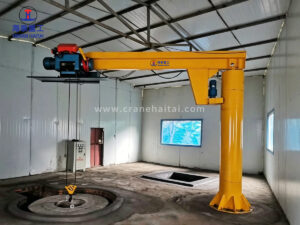
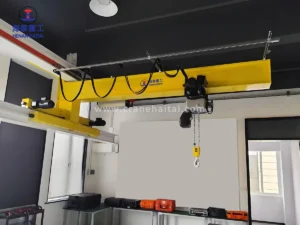
A boat jib crane is a compact lifting system designed for cargo handling, equipment transfer, and maintenance operations on vessels. This guide explains how a marine jib crane works, common crane types, key specifications, installation requirements, and practical selection considerations for ship owners, shipyards, and offshore operators.
Что такое стаксельный кран? Полное руководство по морским стаксельным кранам.
Marine vessels often operate in environments where space, weather conditions, and lifting requirements create unique challenges. Unlike land-based cranes, onboard lifting equipment must work with limited deck space, vessel movement, saltwater exposure, and strict safety requirements.
A boat jib crane is specifically designed to solve these challenges. Installed on boats, ships, and offshore platforms, this type of lifting equipment allows crews to move cargo, spare parts, tools, and operational equipment without depending on shore-based lifting facilities.
For fishing vessels, offshore service boats, research ships, and workboats, a properly selected marine jib crane can significantly improve daily handling operations. The equipment provides controlled lifting capability while maintaining a compact installation footprint on the vessel deck.
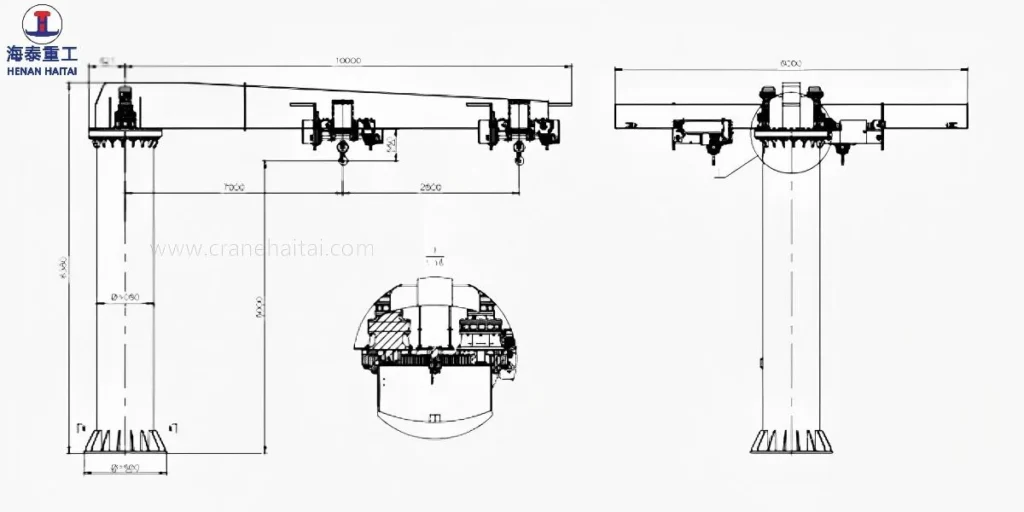
This complete guide explains what a boat jib crane is, how it operates, different crane configurations, important purchasing factors, and how HaiTai develops customized lifting solutions for marine applications.
What Is a Boat Jib Crane Used For on a Vessel?
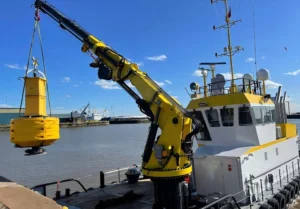
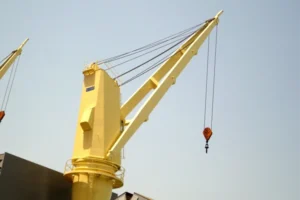
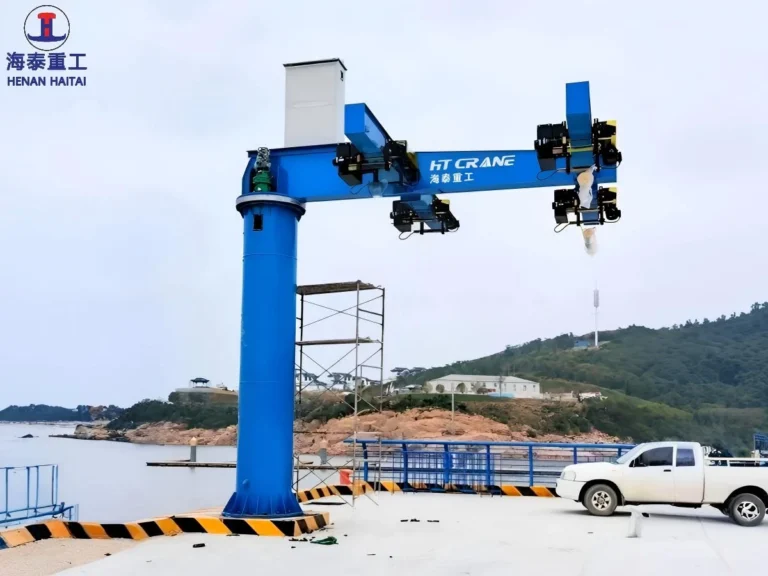
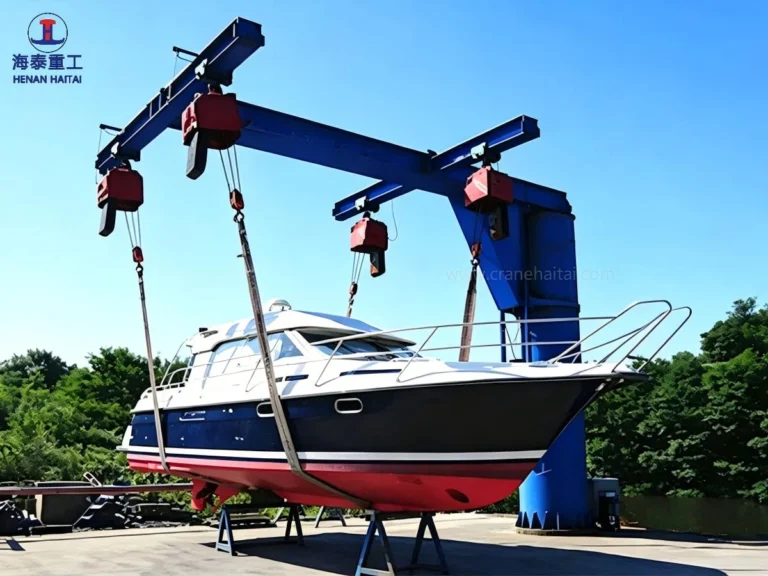
A boat jib crane is a rotating lifting device mounted on a vessel deck. It normally consists of a pedestal column, jib arm, hydraulic or electric drive system, winch, wire rope, and lifting hook. The crane can rotate horizontally and lift loads vertically, allowing operators to move equipment across different working areas.
The main purpose of this type of crane is handling loads that are difficult or unsafe to move manually. Typical operations include:
- Loading and unloading supplies from small vessels
- Moving engines, pumps, and maintenance tools
- Handling fishing equipment and nets
- Deploying research instruments into water
- Transferring offshore service equipment
- Supporting emergency repair operations
For example, an offshore maintenance vessel may need to transfer hydraulic tools, spare valves, or inspection equipment between the deck and an offshore platform. A compact deck-mounted lifting system allows the crew to complete these tasks directly from the vessel.
Fishing boats also commonly use boat cranes for lifting traps, nets, fuel equipment, and catch handling systems. The crane design can be customized according to vessel size, deck arrangement, and operating conditions.
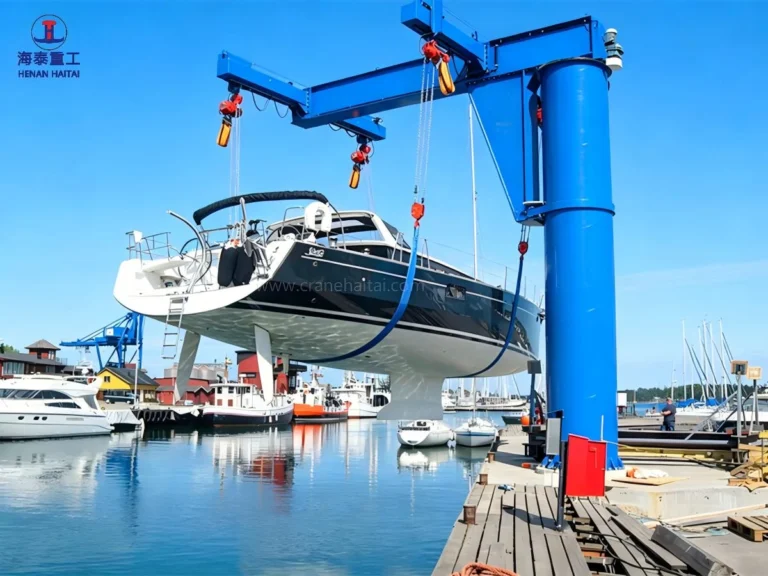
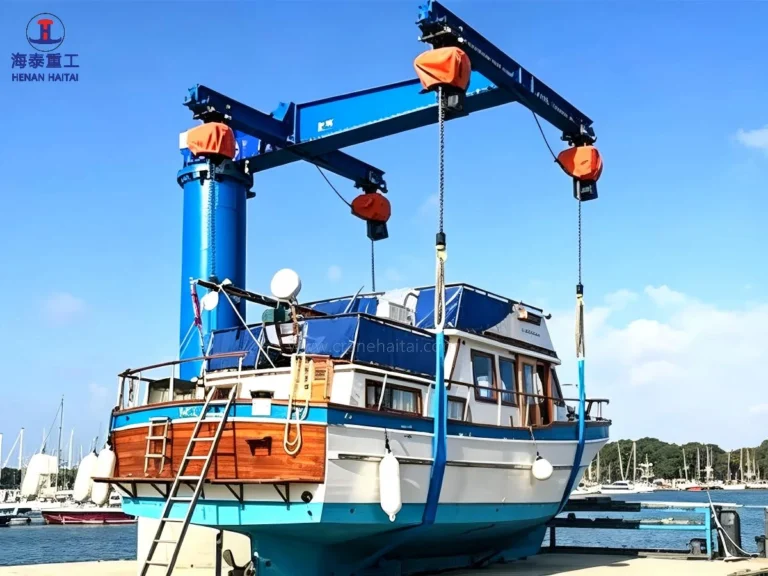
How Does a Marine Jib Crane Work?
A marine jib crane works through coordinated movement between the lifting mechanism, boom structure, and rotation system. Most modern designs use hydraulic power because hydraulic systems provide stable operation under marine conditions. The main working processes include:
Hydraulic Control System
Hydraulic power units provide controlled movement for lifting, rotation, and boom adjustment. Compared with simple electric systems, hydraulic designs are often preferred for vessels because they provide strong torque and reliable performance in wet environments.
Hoisting Operation
The winch system controls the lifting and lowering of loads through a wire rope and hook assembly. The lifting capacity depends on crane structure, hydraulic power, boom length, and rated load requirements.
Slewing Movement
The slewing system allows the crane arm to rotate around the pedestal. This movement enables operators to position loads at different locations on the deck or over the side of the vessel.
Boom Adjustment
Some marine cranes use adjustable or folding boom structures. By changing the boom angle or outreach length, operators can adapt the crane working range for different tasks.
During vessel operation, factors such as wind load, vessel movement, and wave conditions must also be considered. Professional crane design includes load calculation and structural analysis to ensure stable operation.
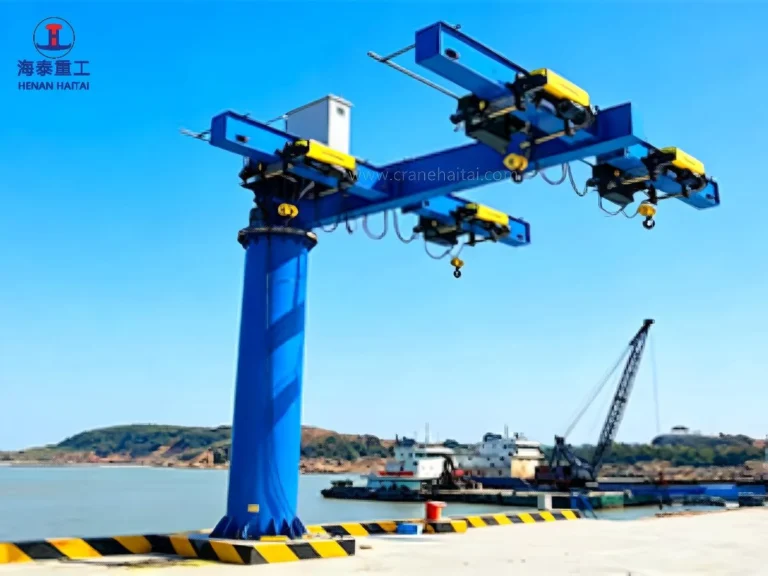
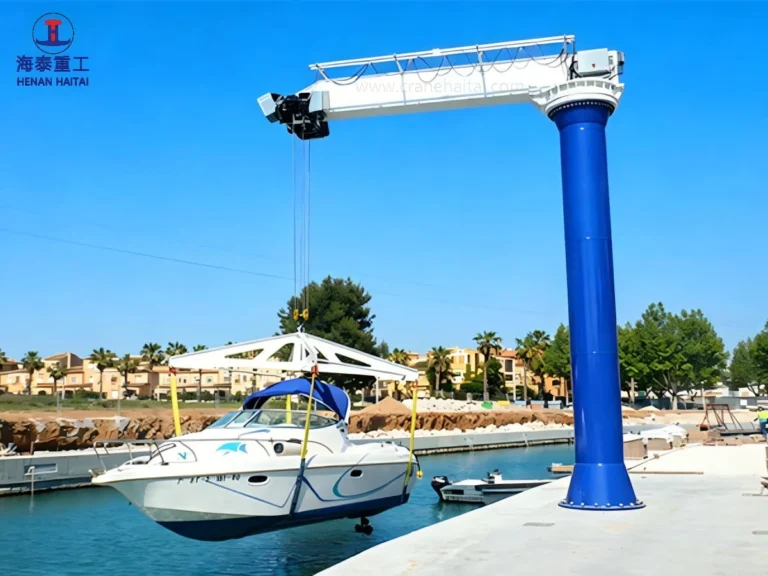
How to Select a Suitable Boat Jib Crane?
Choosing the correct lifting equipment requires more than checking lifting capacity. Marine operators should evaluate several technical factors before purchase.
Key Specifications for Selecting a Boat Jib Crane
| Types of Boat Jib Crane | 20T Стаксельный кран | 30T Стаксельный кран | 40T Стаксельный кран |
|---|---|---|---|
| Грузоподъемность | 20 tons | 30 tons | 40 tons |
| Jib Crane Boom Length | 9,000 mm | 9,000 – 10,200 mm | 10,200 mm |
| Высота подъема | 7,000 mm | 7,000 mm | 7,450 mm |
| Beam Length | 4,500 mm | 5,500 mm | 5,500 mm |
| Sling Adjustment | 2.6 – 4 m | 3.5 – 5 m | 3.2 – 5.5 m |
| Скорость подъема | 1.0 or 3.5 m/min | 1.0 or 3.5 m/min | 1.0 or 3.5 m/min |
| Rotation Speed | 0.25 rpm | 0.2 rpm | 0.3 rpm |
| Rotation Degree | 0 – 360° | 0 – 360° | 0 – 360° |
| Motor Power | 15 kW | 22 kW | 22 kW |
| Источник питания | 400V / 40A | 400V / 63A | 400V / 63A |
| Режим управления | Radio Remote | Radio Remote | Radio Remote |
| Стандарт | JB/T8906-2014 | JB/T8906-2014 | JB/T8906-2014 |
The Four Dimensions When Selecting Your Boat Jib Crane
Грузоподъемность
The first consideration is the maximum load the crane must handle. Buyers should define the heaviest expected load, including safety factors. For example:
- Small workboats may require cranes for several hundred kilograms to a few tons.
- Offshore service vessels may require higher capacity equipment for machinery and maintenance components.
- Specialized vessels may need customized heavy-duty lifting systems.
Selecting a crane with insufficient capacity can create safety risks, while excessive capacity may increase cost and deck loading requirements.
Working Radius and Outreach
The crane working radius determines how far the load can be moved from the installation point.
A longer boom provides greater coverage but also creates higher structural requirements. Engineers need to balance outreach, lifting capacity, and vessel stability.
Deck Installation Requirements
The vessel structure must support crane loads during operation. Before installation, engineers usually evaluate:
- Deck reinforcement requirements
- Foundation design
- Available installation space
- Crane rotation area
- Nearby equipment clearance
Proper installation is especially important for vessels operating in rough offshore conditions.
Marine Environment Protection
Marine lifting equipment must withstand corrosion caused by seawater, humidity, and salt spray. Common protection methods include:
- Anti-corrosion coatings
- Marine-grade steel materials
- Hydraulic component protection
- Regular surface inspection
For vessels operating in tropical or offshore environments, corrosion protection is a major factor affecting service life.
Real Application Example: Boat Jib Crane Installed for Vessel Maintenance
A Southeast Asian offshore service company required a compact lifting system for a maintenance vessel operating near offshore platforms. The vessel needed to transfer pumps, repair tools, and spare components between the deck and working areas.
HaiTai designed a customized hydraulic marine jib crane based on the vessel layout. The solution included a reinforced pedestal, corrosion-resistant surface treatment, and hydraulic control suitable for frequent offshore operations.
The crane was configured according to the vessel’s lifting requirements, working radius, and available deck space. After installation, the crew was able to handle maintenance equipment directly onboard without waiting for external lifting support.
This type of customized approach is important because marine vessels have different deck structures and operating conditions. A standard crane design may not always provide the best performance.
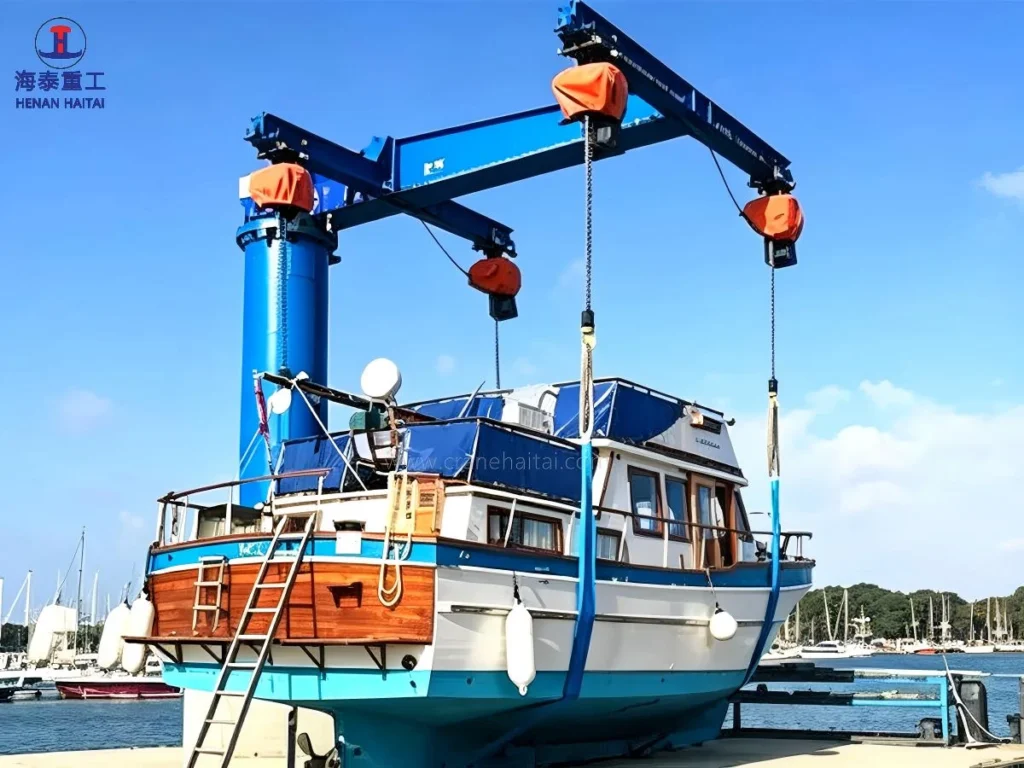
Installation and Maintenance Considerations for Boat Jib Cranes
Proper maintenance directly affects crane reliability and operating life. Regular inspection should include four important check and maintenance procedures:
Hydraulic System Checks
Operators should inspect hydraulic oil condition, leakage points, hoses, and control valves. Contaminated hydraulic oil can reduce system performance and damage components.
Wire Rope and Hook Inspection
The lifting rope, hook, and safety devices should be checked regularly for wear, corrosion, or deformation.
Structural Inspection
The pedestal, boom, welding areas, and connection points should be inspected for cracks or corrosion.
Load Testing
Periodic load testing helps confirm that the crane continues to meet operational requirements.
For vessels operating in harsh offshore environments, preventive maintenance is usually more cost-effective than repairing unexpected failures during operation.
Why Choose HaiTai Boat Jib Crane Solutions?
HaiTai specializes in manufacturing marine lifting equipment for international vessel operators, shipyards, and offshore customers. Each crane is developed according to actual application requirements, including vessel type, lifting capacity, installation position, and working environment.
HaiTai provides:
- Customized crane design
- Hydraulic marine lifting systems
- Corrosion-resistant construction
- Professional manufacturing support
- Export experience for global marine projects
Whether the requirement involves a fishing vessel, offshore support boat, research ship, or industrial workboat, HaiTai can provide a suitable lifting solution based on practical operating conditions.
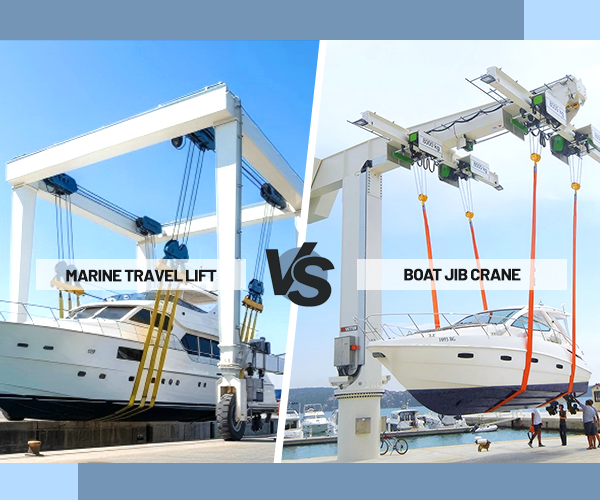
Related Artycle: Морской передвижной подъемник или судовой кран: что лучше для вашей верфи?
Заключение
A boat jib crane is an important piece of equipment for vessels that require reliable onboard lifting capability. From fishing operations and offshore maintenance to research activities and workboat services, these cranes help crews handle equipment safely and efficiently.
Selecting the right boat jib crane requires careful evaluation of lifting capacity, working radius, installation conditions, environmental protection, and maintenance requirements.
With experience in marine crane manufacturing, HaiTai provides customized shipboard jib crane solutions designed for different vessel applications worldwide.

FAQs — Haitai Boat Jib Crane Manufacturer in China
Q1: What is a Haitai boat jib crane?
A Haitai boat jib crane is a lifting device installed on a vessel deck to move cargo, tools, equipment, and supplies. It is designed for marine applications where compact size and flexible operation are required.
Q2: Can a Haitai boat jib crane be customized for different vessels?
Yes. A Haitai boat jib crane can be customized according to vessel dimensions, lifting capacity, boom length, installation requirements, and operating environment.
Q3: What is the difference between a boat crane and a marine crane?
A boat crane generally refers to lifting equipment installed on smaller vessels, while a marine crane is a broader term covering cranes used on boats, ships, offshore platforms, and other marine structures.
Q4: How often should a marine jib crane be inspected?
Marine jib crane should be inspected monthly, and safety precautions should be observed daily. The inspection frequency mainly depends on your specific operating conditions, usage frequency, and applicable safety standards. Regular checks of hydraulic systems, structural components, and lifting accessories are recommended.
Q5: How can I request a HaiTai boat jib crane quotation?
Customers can submit the form to provide vessel information, required lifting capacity, working radius, and application details. HaiTai engineers can recommend a suitable marine crane configuration and provide a customized quotation.