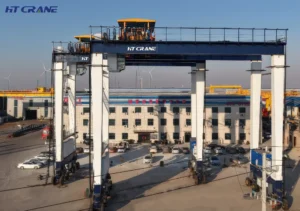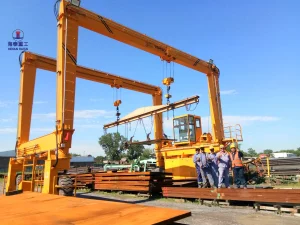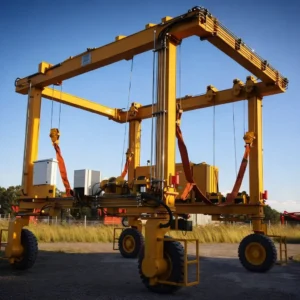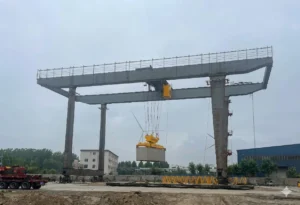


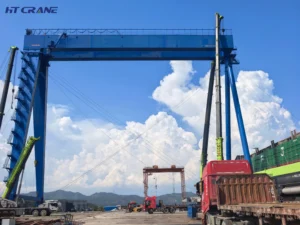
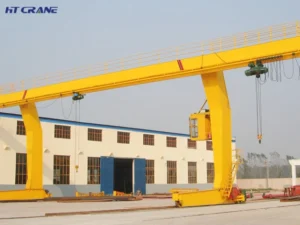
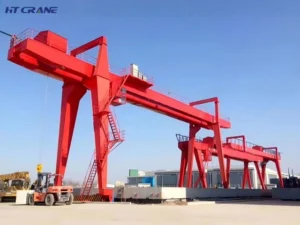
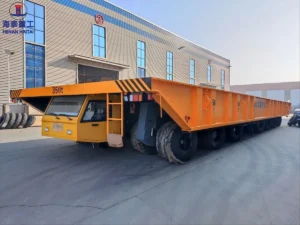
Most industrial procurement teams, terminal site engineers and factory project managers frequently misjudge crane dimensions when configuring gantry cranes for yard expansion, port stacking, and factory material handling projects. These misjudgements all stem from unclear definitions of “rail gauge” vs “span”.
The two terms of “Crane Rail Gauge” and “Crane Span” often appear interchangeably in basic product brochures, yet mismatched parameter confirmation frequently causes on-site installation errors, rail foundation rework, and unsuitable crane sizing for actual working zones.
This article will help you find out the practical meaning and application to avoid crane engineering misjudgements.
Why Customers Need to Understand “Crane Rail Gauge” and ” Crane Span”?
Understanding the real distinctions between rail gauge vs span helps overseas clients confirm technical drawings, civil construction standards, and final equipment matching before placing gantry crane orders. It can help avoid costly delays in cross-border project delivery.
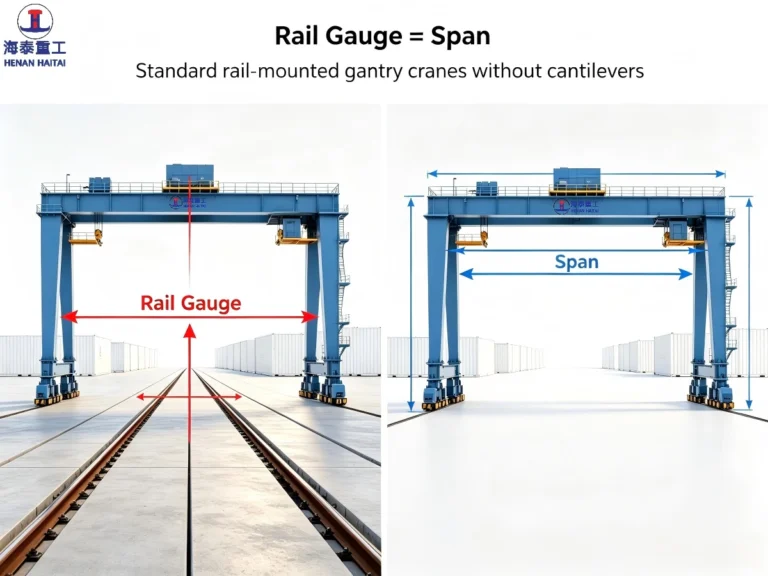
For many standard port rail-mounted gantry cranes in container yards and bulk cargo terminals, these two parameters have the same numerical values, leading overseas customers to treat these two terms as fully interchangeable. The careless confusion leads to costly on-site issues: reworked rail foundation pouring, mismatched wheel assembly installation, insufficient trolley travel space and delayed cross-border equipment delivery.
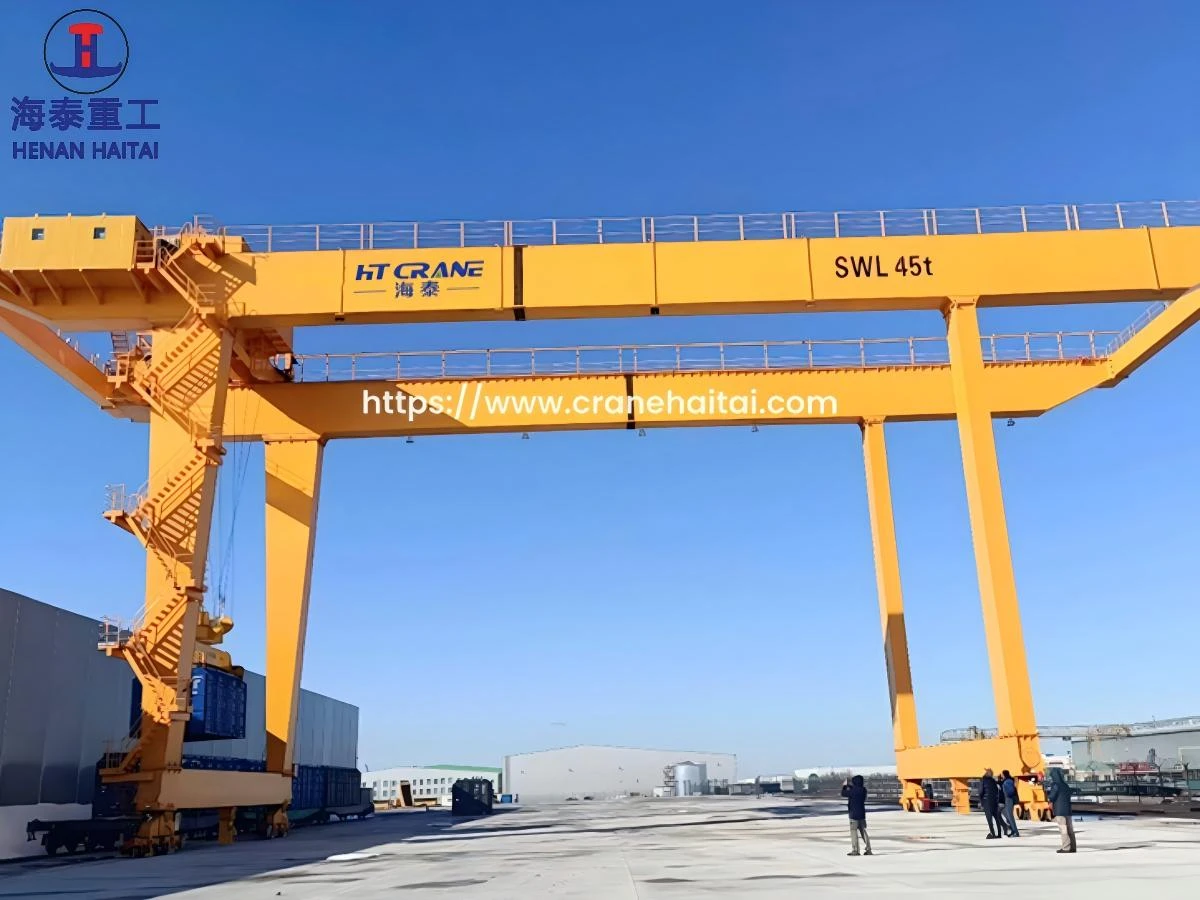
As we have seen in our past 45-ton Kazakhstan intermodal RMG and 5-ton Philippines portable gantry crane export projects. Early in the project, the Haitai engineering team took this into account and confirmed these two critical parameters with the client in advance. As a result, we ensured that every aspect of the project—from production and delivery to installation and operation—proceeded according to every client’s schedule.
What Is Crane Rail Gauge?
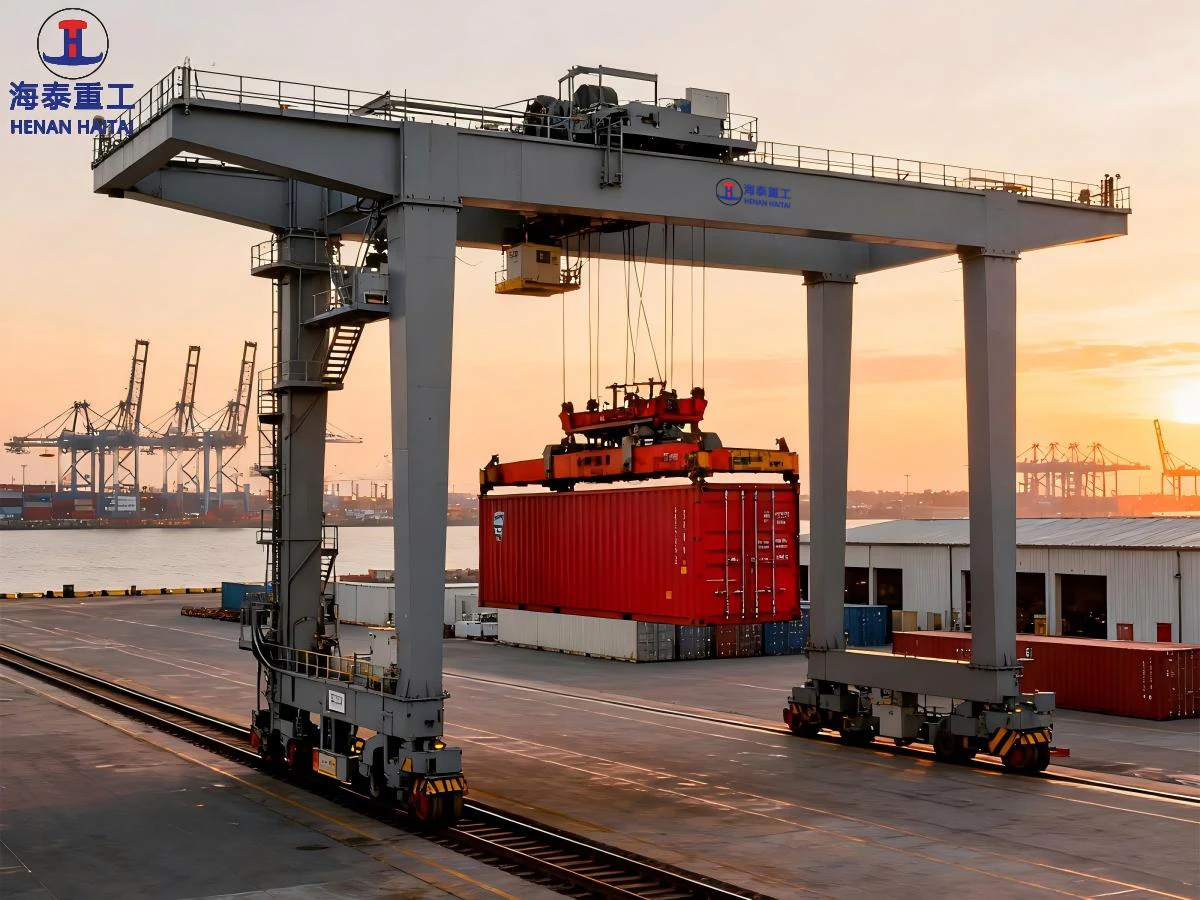
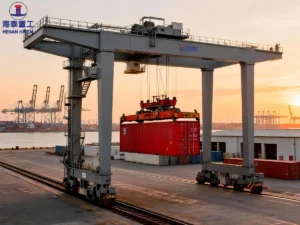
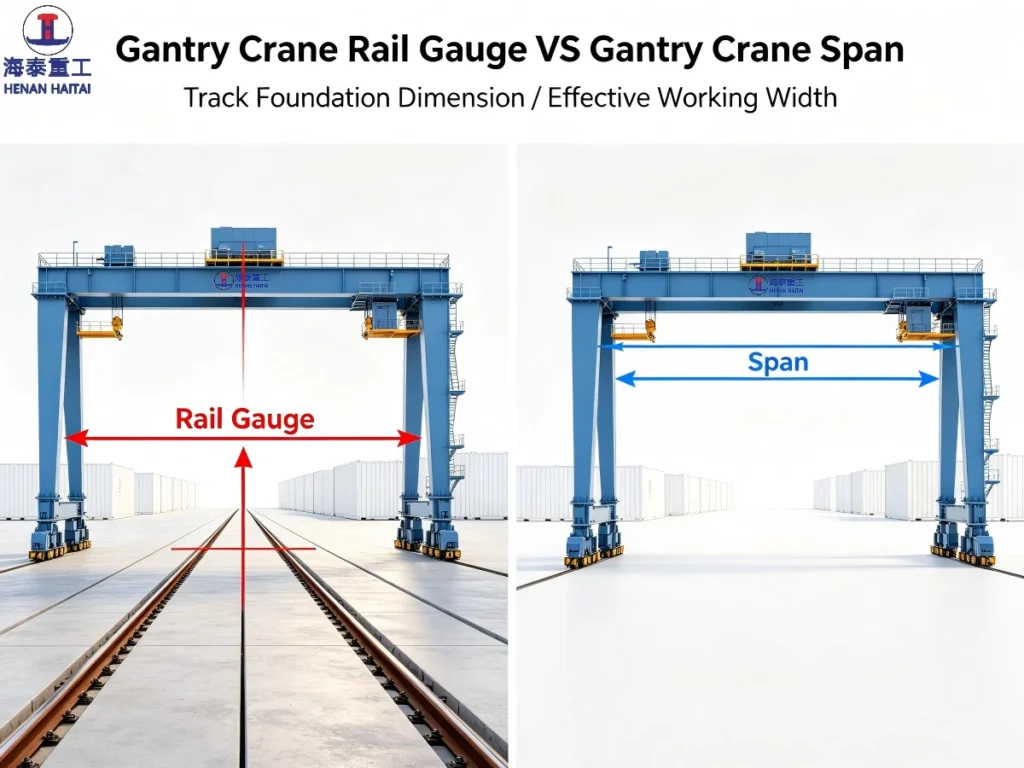
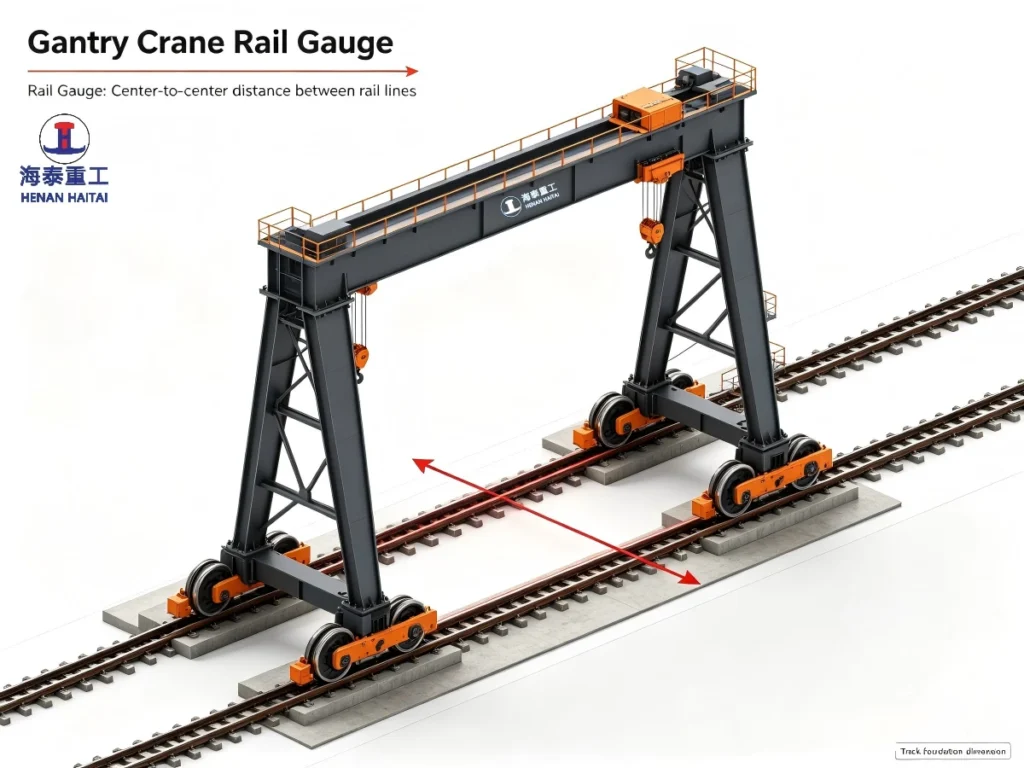
Rail gauge exclusively refers to the center-to-center horizontal distance between two parallel fixed steel travel rails. This dimension only applies to rail-mounted lifting equipment equipped with wheeled travel bogies locked onto dedicated track foundations. In international industrial and port projects, rail gauge directly determines the crane’s wheelbase stability and track matching accuracy. This parameter acts as the core design metric for civil engineering teams during yard ground construction, governing rail specification selection, foundation bolt positioning and concrete bearing capacity calculations.
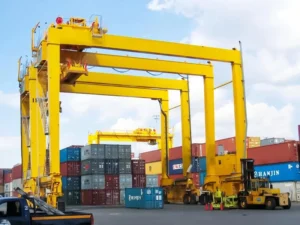
For typical 30.5-ton to 40.5-ton RMG rail container cranes deployed at container terminals in logistics yards across Southeast Asia and the Middle East, rail gauge follows unified international container row width standards to streamline container stacking and truck transfer workflows. Unlike general structural dimensions, Construction Tolerance for rail gauge is extremely strict. As even minor uneven rail center distances will cause persistent wheel flange abrasion, abnormal travel vibration and accelerated wheel sets wear during long-term cyclic operation.
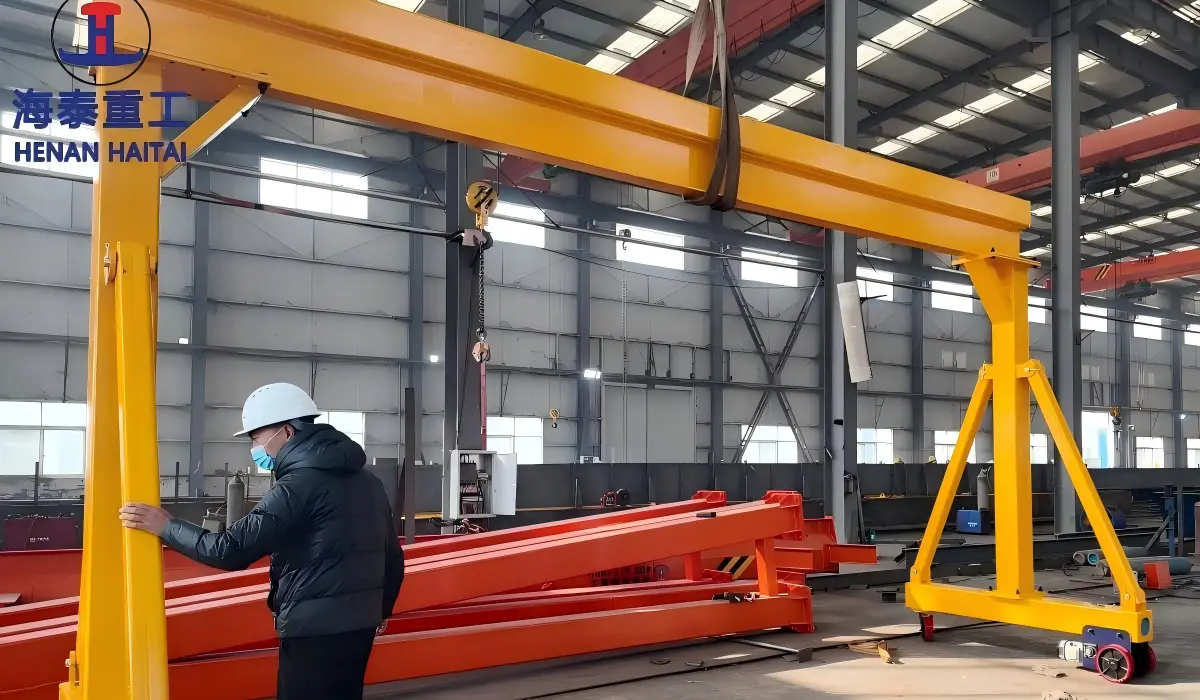
For small and medium-sized industrial gantry cranes deployed in factory workshops, precise rail gauge calibration ensures smooth full-stroke travel without deviation or jamming. This is a maintenance pain point we observed on early-site modified gantry cranes for Guyana marine boat hoist projects. Indoor workshop overhead cranes also rely on precise rail gauge calibration to eliminate trolley jamming during full-stroke material lifting cycles.
What Is Crane Span?
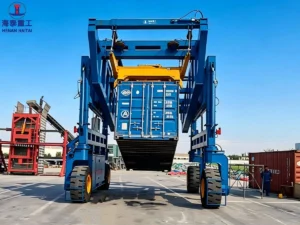
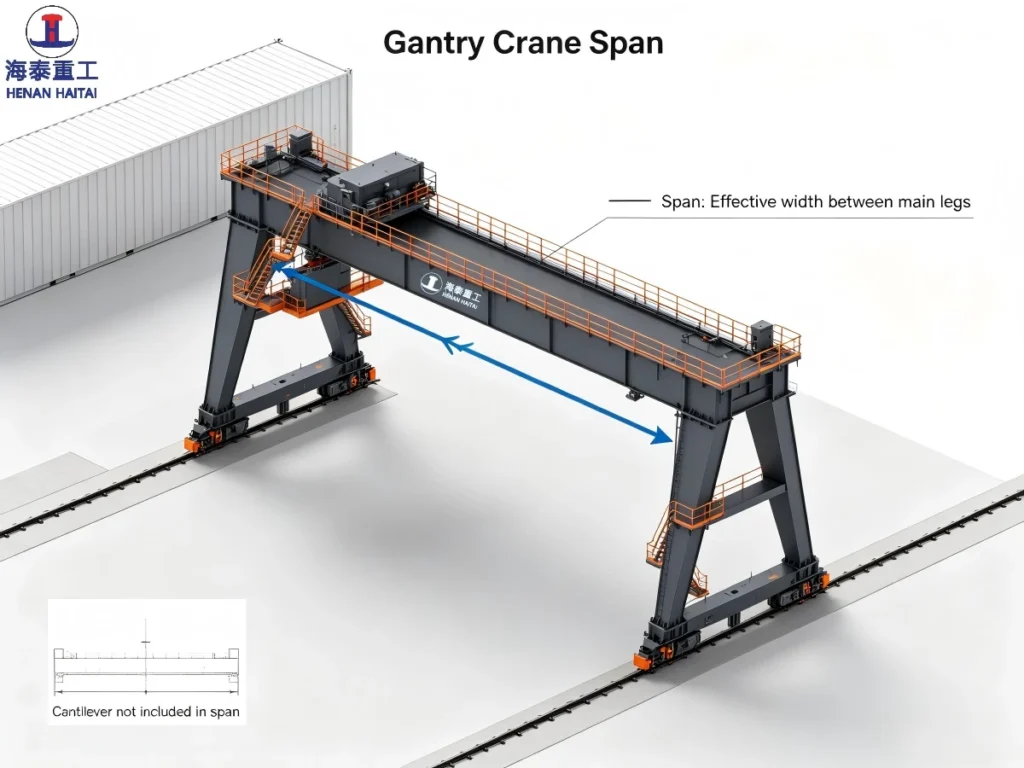
Crane span defines the effective horizontal working width measured between the two primary load-bearing support legs of any lifting frame. This is a universal structural parameter compatible with every gantry crane type, including rail-mounted gantries, tyre straddle carriers and indoor overhead bridge cranes with no fixed rail tracks. Span directly outlines the maximum horizontal coverage zone of on-site lifting operations for trolley hoist movement. It is the primary reference buyers use to match lifting equipment to their factory bay width, port stacking yard layout or outdoor bulk cargo handling zones.
For bulk cargo yards in Africa and container stacking yards in South Asia, clients select span based on actual yard width, cargo stacking range, and vehicle passage space. A larger span covers more working areas but requires optimized gantry beam structural design to resist lateral wind loads and maintain operational stability. This is a key customization point for our 100-ton Hong Kong marine lift crane with extended load bearing beams.
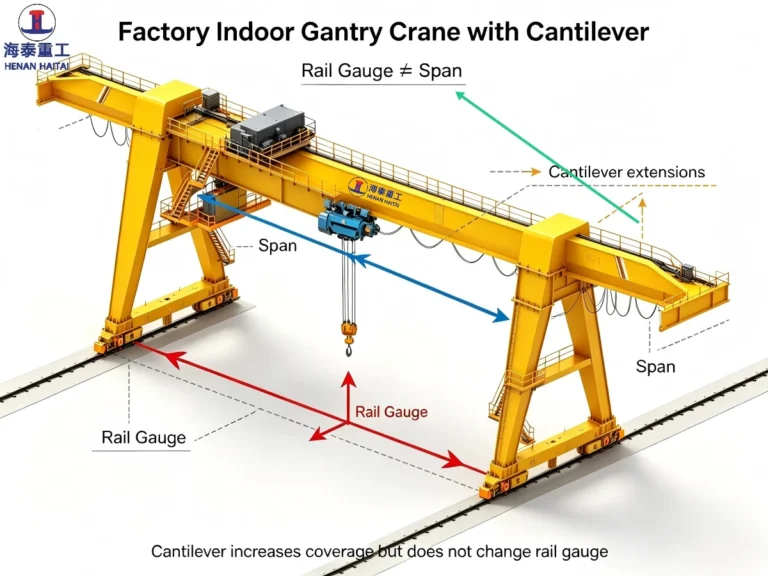
Notably, span only calculates the effective width between the two main support legs and does not include extended cantilever sections on both side. A common industry misunderstanding in technical communication is including outward cantilever extensions into span measurements. In fact, cantilever sections only add extra side lifting capacity and never alter the core span value between main support legs. This mistake leads to overestimated working coverage and improper site layout planning for factory cantilever gantry crane buyers.
Core Practical Distinction Between Rail Gauge VS Span
The root difference between rail gauge vs span lies in applicable equipment types and functional engineering purpose, rather than matching numerical readings on standard non-cantilever rail gantry cranes.
For standard rail-mounted gantry cranes without cantilevers, rail gauge and span show identical numerical values, which is why many suppliers and clients use them interchangeably in routine quotation communication. However, essential functional and applicable scenario differences exist in professional project design and after-sales maintenance.
Three critical differentiators apply to all overseas lifting equipment procurement and installation projects.
1. Equipment compatibility differs entirely.
Rail gauge is only valid for rail-mounted cranes and cannot be used to parameterize rubber-tyred cranes or mobile straddle carriers, which have no fixed rail structures. Rail gauge is irrelevant for rubber-tyred lifting machinery such as our 90-ton explosion-proof CATL battery factory straddle carriers, which operate without anchored steel rail foundations.
Span is a universal parameter suitable for all gantry crane equipment and it remains the sole width reference for all tyre-based mobile lifting solutions. Rail gauge only carries technical meaning for rail-mounted overhead cranes, RMG container gantries and fixed rail portable gantry cranes.
2. Engineering function targets separate parameters completely.
Rail gauge exists solely to guide ground infrastructure construction: rail laying alignment, foundation slab reinforcement and post-installation track tolerance inspection.
Span guides the crane’s mechanical structural design, trolley travel range testing and operational efficiency evaluation. Span focuses on crane performance and on-site working requirements.
During Haitai turnkey port terminal projects, civil teams finalize rail gauge dimensions first for ground construction drawings, while mechanical engineers confirm span to align with container handling throughput targets.
3. Custom modification flexibility varies widely.
Rail gauge is locked permanently once concrete rail foundations are poured, requiring high-precision one-time construction. Otherwise, the fixed rail gauge requires full ground reconstruction to adjust after installation.
Span can be moderately optimized based on beam structure and load conditions during equipment customization, making it more flexible for personalized yard layout demands and requirements for factory expansion projects.
Targeted Selection Guidance for Global Crane Buyers
1. Standard Port & Intermodal Terminal Rail-Mounted Gantry Cranes
For container stacking yards adopting standard non-cantilever RMG rail-mounted lifting equipment, rail gauge and span share identical numerical measurements, so buyers only need to confirm one unified dimension.
Focus verification on whether this value matches local container row spacing and internal truck passage width. This verfication is to ensure efficient stacking and container transfer operations during daily container loading and unloading cycles. And the primary consideration is deployed to our Kazakhstan intermodal port RMG case.
2. Indoor Factory & Outdoor Bulk Cargo Cantilever Gantry Cranes with Cantilever Designs
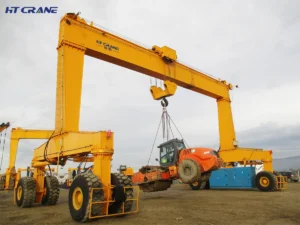
Any gantry design fitted with front or rear cantilever extensions creates a clear split between rail gauge vs span. Cantilever arms extend lifting coverage outward but maintain unchanged rail gauge between the two main support legs.
Therefore, overseas buyers must never calculate full equipment width including cantilevers to set rail foundation dimensions, an error that leads to fully misaligned rail installation and unusable lifting frames post-delivery.
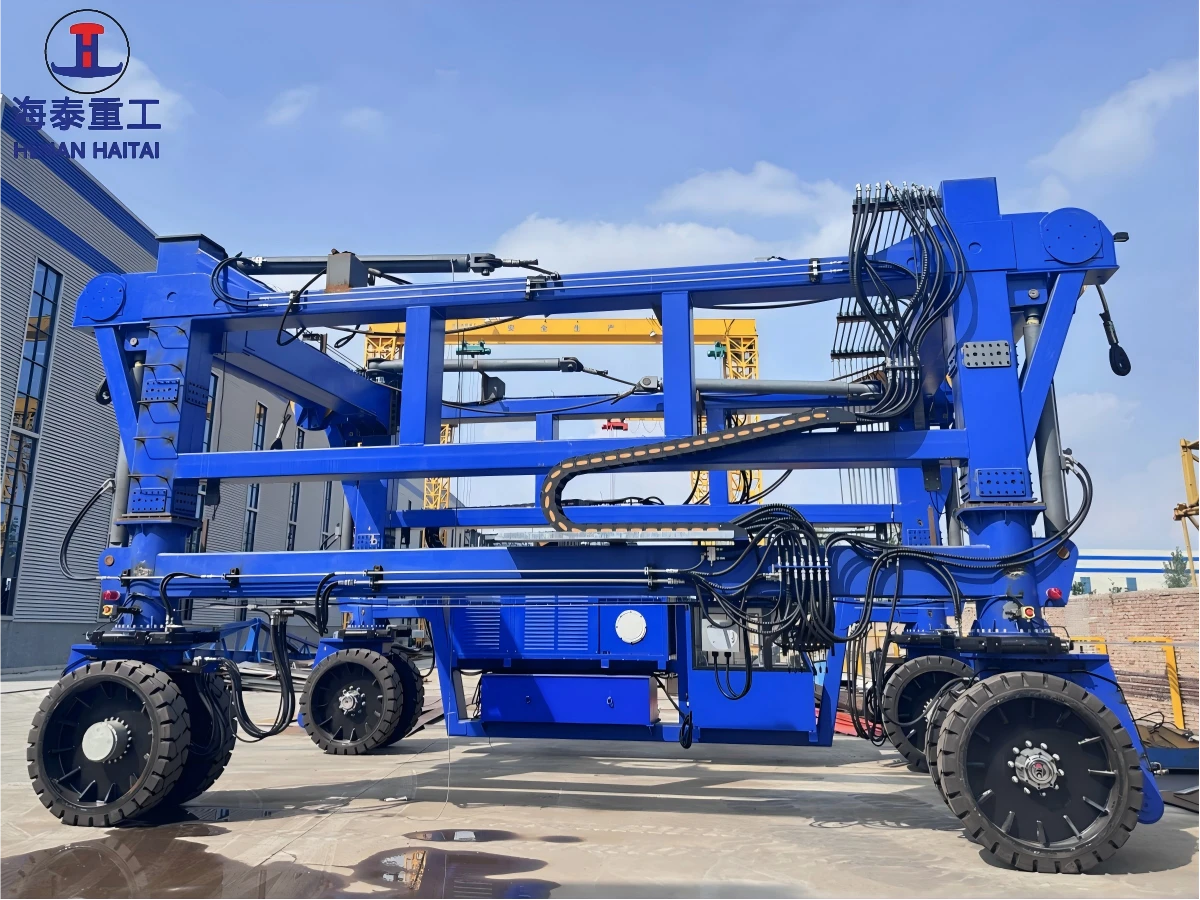
3. Mobile Rubber-Tyred Straddle Carriers & Portable Hoists in Yards and Relocated Working Sites
For temporary construction yards, battery production workshops and frequently relocated lifting sites, disregard rail gauge entirely. Span acts as the single reliable metric for equipment sizing and site layout planning.
This avoids parameter confusion for buyers sourcing explosion-proof tyre straddle carriers and small mobile portable gantry cranes and ensures the crane’s working coverage meets temporary operation demands.
Заключение
To summarise the core logic separating rail gauge vs span: matching numerical values only exist on basic rail-mounted gantry cranes without cantilever extensions, while their technical roles in construction and operation remain distinct at all times. Rail gauge is a site infrastructure dimension exclusive to track-mounted cranes, governing rail foundation layout and wheel track stability. Span is a universal crane structural dimension that defines the equipment’s core working lifting range across every overhead, gantry and tyre carrier lifting model.
Mastering these differences allows overseas procurement managers to validate supplier technical drawings accurately, avoid costly civil construction rework, streamline cross-border crane project delivery timelines and simplify routine wheel, rail and beam maintenance cycles for long-term lifting equipment operation at factory and port work sites.
If you have your views or other questions, welcome to contact our crane specialist, Simon, for further discussion and consultation. Click the following button through WhatsApp or Email.

Часто задаваемые вопросы
Q1: Are rail gauge and span identical values for all rail-mounted gantry cranes?
Only standard non-cantilever RMG cranes have matching rail gauge and span numbers. Any model with front or rear cantilever extensions will feature different span and rail gauge measurements, as cantilevers do not expand the distance between main leg rail tracks.
Q2: Can I use rail gauge to describe the width of rubber-tyred straddle carriers?
No, rail gauge refers specifically to fixed steel track spacing and does not apply to trackless tyre lifting equipment. Span is the correct dimension term for all rubber-tyred gantry and straddle carrier models.
Q3: What causes most on-site rail installation errors linked to rail gauge vs span mix-ups?
The most frequent error comes from including cantilever overhang length when calculating rail gauge for foundation construction. Cantilever sections are separate extended lifting zones and do not modify the fixed rail center distance between primary support legs.
Q4: Which dimension should buyers prioritize when customizing rail-mounted cranes?
Confirm the site’s existing or planned rail gauge first to match pre-built ground foundations, then adjust span and cantilever arm length to meet target lifting coverage and cargo handling throughput requirements.
Q5: How does incorrect rail gauge impact long-term crane maintenance costs?
Improper rail gauge alignment creates uneven wheel load distribution, accelerating wheel flange wear, increasing travel motor power consumption and raising monthly inspection and replacement costs for bogie, rail and hoist components over years of continuous yard operation.