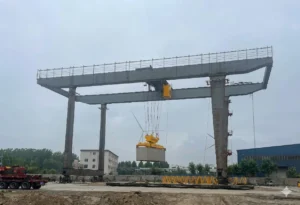
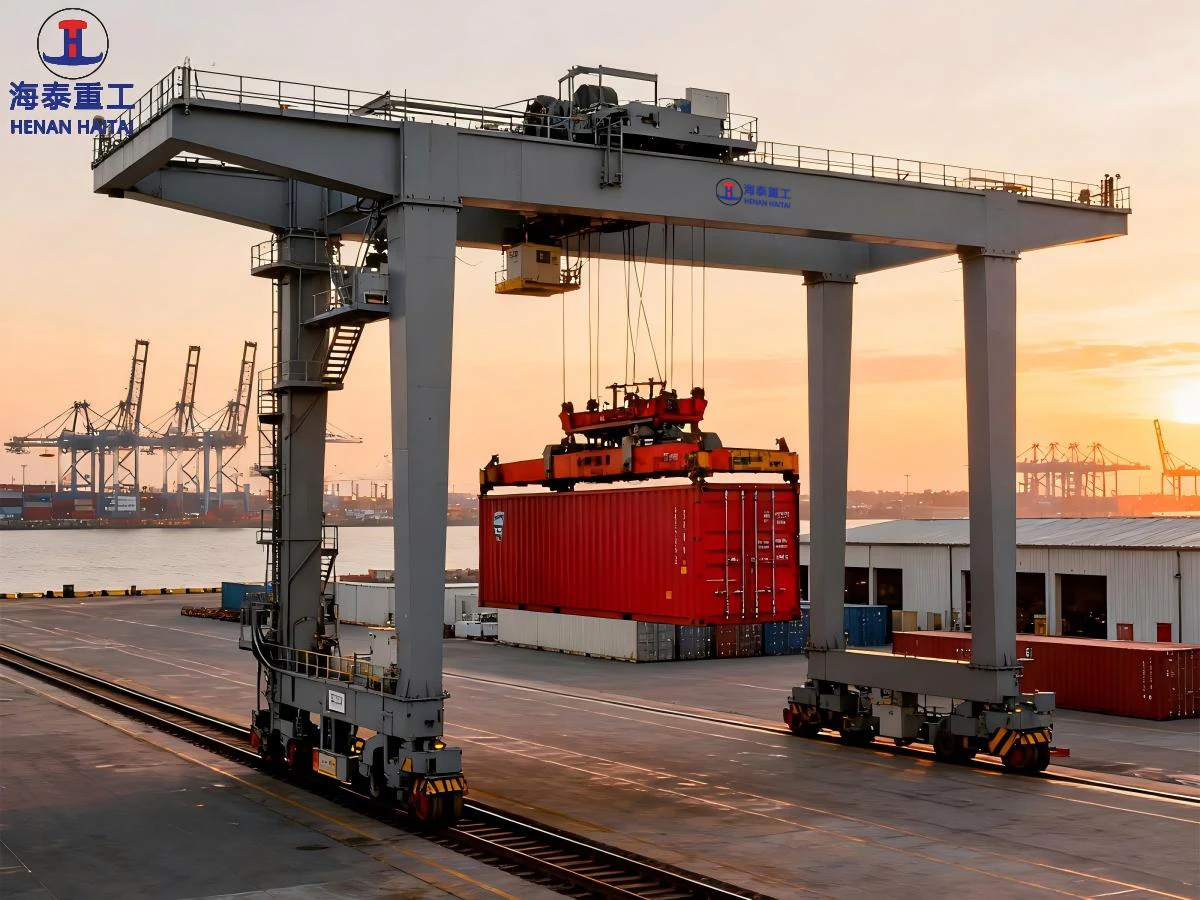
Crane moves per hour (often called gross moves per hour or GMPH) measures the average number of container handling cycles a crane completes in one hour. It serves as a core productivity indicator for container terminals, directly impacting vessel turnaround time, berth utilization, and overall port throughput.
Terminal operators and procurement teams rely on this metric to benchmark performance, plan equipment investments, and optimize operations. Whether evaluating quay cranes (STS crane) or yard cranes like Кран РТГ и RMG crane from suppliers such as Henan HaiTai Crane, understanding the calculation helps avoid common underperformance issues.
This guide explains the formula, key variables, typical benchmarks, and practical application for container handling equipment. You’ll gain a clear framework to assess your terminal’s efficiency and make informed decisions on crane selection and deployment.
What Is Crane Moves Per Hour? Why It Matters?
Crane moves per hour quantifies terminal productivity by tracking container handling cycles per operating hour. A “move” typically includes lifting, transferring, and placing a container — whether loading/unloading from a vessel (quay) or stacking/retrieving in the yard.
This metric matters because it links directly to revenue and costs. Higher crane moves per hour shorten vessel dwell time, reduce demurrage, and increase berth capacity without major infrastructure expansion. According to U.S. Bureau of Transportation Statistics data, methodological variations in “moves” and “hours” can significantly affect reported figures, highlighting the need for consistent internal tracking.
For overseas procurement managers, accurate calculation informs equipment selection. A mismatch between crane capability and operational targets leads to bottlenecks or over-investment.
Definition Block: Crane moves per hour is the ratio of total container handling actions to effective crane operating time, as referenced in port performance standards and terminal optimization frameworks.
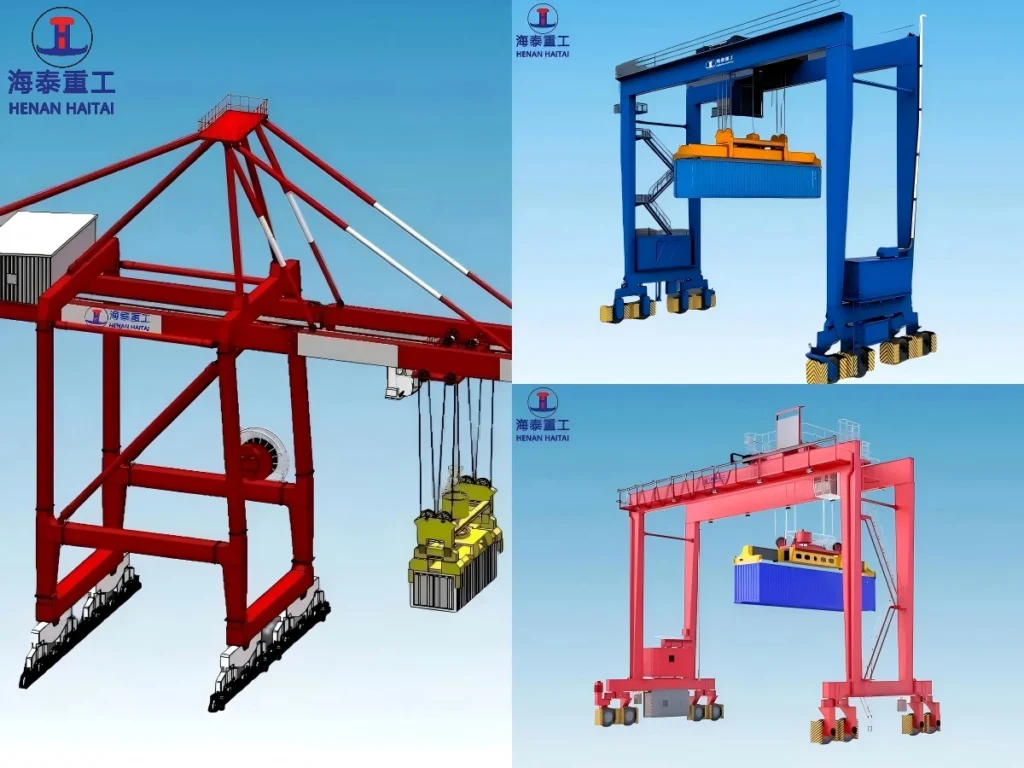
Quick Reference: Typical Crane Moves Per Hour Benchmarks
- Quay Crane/STS Cranes: 25–40 moves per hour (peak up to 50+ in optimized setups).
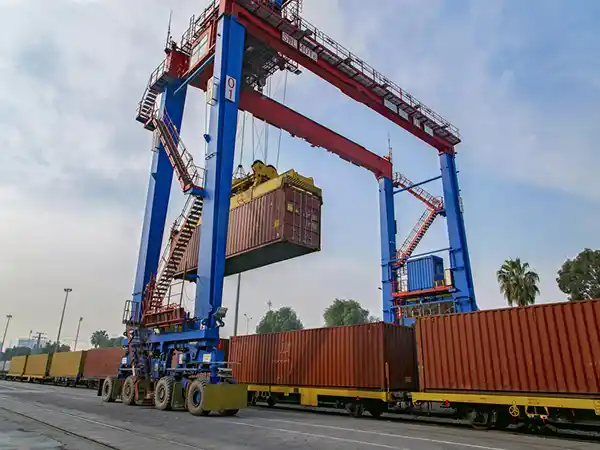
- Yard RTG/RMG Cranes: 15–30 moves per hour, depending on automation and yard layout.
- Calculation Base: Total gross container moves ÷ effective operating hours.
For Crane Haitai container cranes tailored to your terminal needs, explore our container crane solutions.
How to Calculate Crane Moves Per Hour: Step-by-Step Formula
Use this core formula for crane moves per hour: Total Gross Moves ÷ Effective Operating Hours. Apply it consistently for reliable comparisons.
Step 1: Define and Count Gross Moves
Count all container-related actions the crane performs. This includes:
- Loading containers onto vessels
- Unloading from vessels
- Repositioning (restows)
- Handling hatch covers (where applicable)
Why this matters: Excluding or inconsistently including restows distorts benchmarks. Industry sources note that “crane moves” may vary by terminal policy.
How to implement: Use your Terminal Operating System (TOS) or crane data loggers for automated counts. Manual verification during shifts helps calibrate accuracy.
Step 2: Determine Effective Operating Hours
Effective hours = Total shift hours minus non-productive time (breaks, maintenance, idle due to yard congestion, weather, or vessel positioning).
Typical adjustments:
- Exclude scheduled breaks but include unplanned delays for operational GMPH.
- For vessel calls, measure from “lines down” to “lines up” for berth productivity context.
Data tip: Modern cranes from Crane HaiTai often integrate monitoring systems that log these times automatically, improving data reliability.
Step 3: Apply the Formula and Segment by Crane Type
Crane Moves Per Hour = Total Gross Moves / Effective Hours
Example: A quay crane completes 280 gross moves over 8 effective hours → 35 moves per hour.
For yard operations with RTG cranes:
- Focus on stack cycles, truck handoffs, and rehandles.
- Typical range: Lower than quay due to horizontal travel and yard density.
Supporting factors (why the numbers vary): Vessel size, crane outreach, spreader efficiency, operator skill, and synchronization with internal trucks all influence the result. Automated systems generally achieve higher sustained rates.
How to judge your needs: For a mid-size terminal handling Post-Panamax vessels, target 30+ moves per hour on quay cranes. Calculate monthly averages and peaks separately.
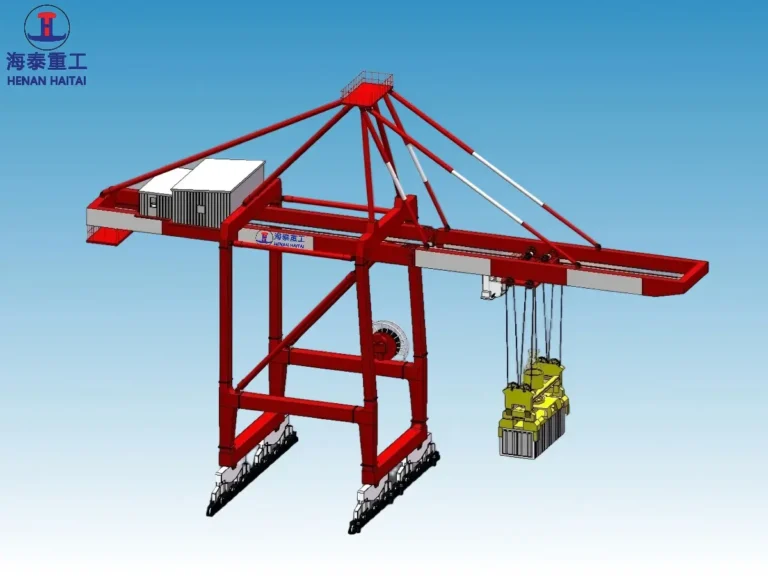
Factors Affecting Crane Moves Per Hour in Container Terminals
Multiple operational and equipment variables determine actual crane moves per hour. Understanding them prevents unrealistic expectations during procurement.
Quay Crane (STS) Specific Influences
Quay cranes face unique constraints like vessel bay access, hatch cover handling, and multi-crane interference. Larger vessels demand higher peak productivity but can introduce congestion.
Reference benchmarks: Modern STS cranes often target 30–40 moves per hour sustainably, with peaks higher in well-coordinated operations.
Yard Crane (RTG/RMG) Considerations
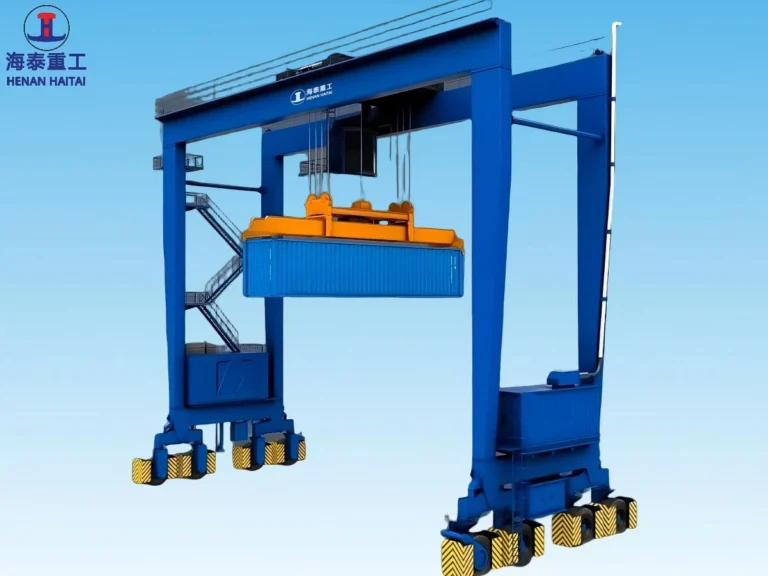
RTG and RMG cranes typically achieve 15–30 moves per hour, limited by yard travel distances, stacking height, and truck coordination. Rail-mounted RMG offers precision in high-density layouts; rubber-tired RTG provides flexibility.
Key variables:
- Automation level: Automated terminals push toward 40+ GMPH.
- Duty cycle and maintenance: Higher utilization requires robust equipment designed for M4–M6 duty classes (per Crane HaiTai specs).
- Yard layout: Poor synchronization causes idle time and rehandles, directly lowering the metric.
Procurement insight: When evaluating suppliers, request cycle time data and simulation support for your specific terminal layout.
Benchmarks and Industry Standards for Crane Productivity
Industry crane moves per hour benchmarks provide realistic targets. Manual/conventional terminals often see 20–30 moves/hour, while advanced automated facilities exceed 40.
Sustainable vs. Peak: Design around 80% utilization for long-term planning (e.g., modern crane max ~35 moves/hour adjusted downward).
Takeaway for decision-makers: Compare your calculated figures against these references and competitor terminals. A 10% improvement can meaningfully reduce turnaround times.
For equipment matching these benchmarks, Crane HaiTai’s RTG (35–70t capacity) and RMG cranes are engineered for high-cycle port operations.
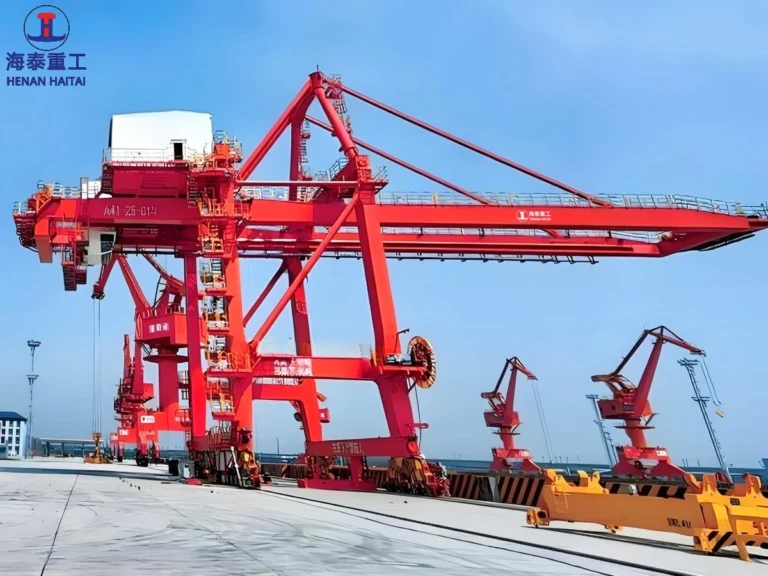
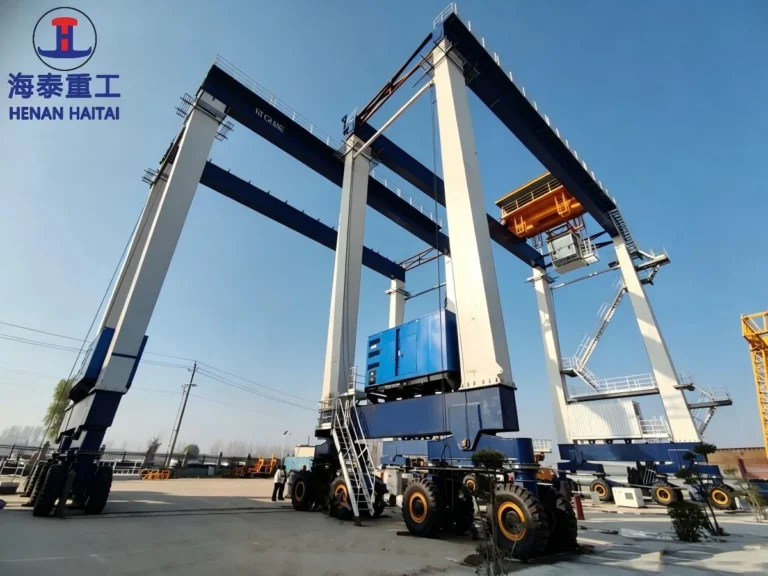
Practical Tips to Improve and Monitor Crane Moves Per Hour
Consistent monitoring and targeted improvements drive higher crane moves per hour. Start with baseline calculations, then address bottlenecks.
- Leverage technology: Integrate TOS with crane sensors for real-time data.
- Optimize coordination: Synchronize quay, yard, and gate operations to minimize idle time.
- Equipment selection: Choose cranes with appropriate span, lifting height, and speeds (e.g., Crane HaiTai RTG hoisting speeds up to 23 m/min full load).
- Training and maintenance: Operator skill and preventive schedules sustain performance.
One original judgment: Terminals that calculate and track crane moves per hour by individual crane and shift — rather than fleet averages only — identify underperformers 2–3x faster, enabling quicker ROI on upgrades.
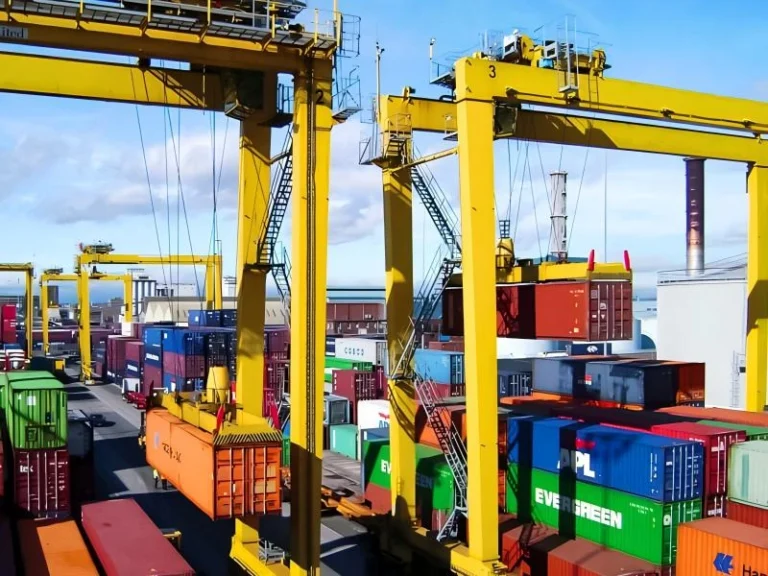
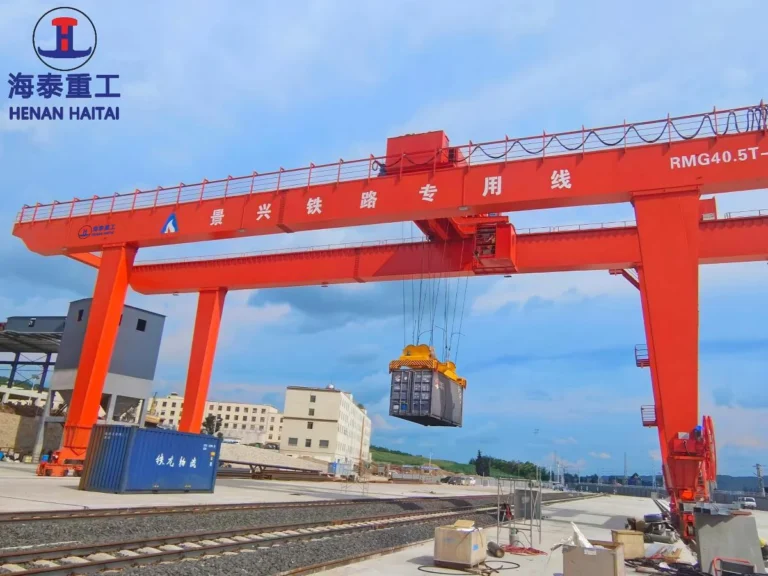
Conclusion to Calculation Methods of Container and Quay Crane Moves Per Hour
Calculating crane moves per hour provides a foundational metric for optimizing container terminal efficiency and guiding equipment investments. By applying the formula (gross moves ÷ effective hours), accounting for key variables, and benchmarking against industry ranges of 25–40+ moves per hour, procurement and operations teams can make data-driven decisions that enhance throughput.
Implement regular calculations, invest in suitable quay and yard cranes, and focus on synchronization for measurable gains. For reliable container cranes engineered for high moves-per-hour performance, visit Haitai Crane’s container crane page or contact our team for customized specifications.
Action steps:
- Audit your last quarter’s data using the steps above.
- Simulate scenarios with potential new RTG/RMG deployments.
- Reach out for expert consultation on matching equipment to your targets.
Author: Senior Crane Industry Consultant, Henan Haitai Crane (15+ years in port equipment selection and terminal optimization)
Disclaimer: Final equipment selection must be confirmed by a certified engineer and comply with local lifting-equipment regulations.

Часто задаваемые вопросыs about Crane Moves Per Hour Calculation for Container and Quay Cranes
Q1: What is a good crane moves per hour target for modern container terminals?
A good target is 30–40 moves per hour for quay cranes in optimized operations, with yard cranes at 20–30. This varies by automation, vessel mix, and layout. Automated terminals often exceed 40, while conventional setups aim lower. Calculate your baseline first and identify improvement levers.
Q2: How do RTG vs RMG cranes differ in moves per hour performance?
RTG cranes offer flexibility for variable yard layouts with typical 15–30 moves per hour; RMG provides higher precision and density in rail-guided systems. Choice depends on your terminal design — RTG for mobility, RMG for high-throughput fixed paths. Crane HaiTai models support both with customizable specs.
Q3: Why do calculated crane moves per hour vary between terminals?
Variations stem from definitions of “moves” and “hours,” plus factors like congestion, maintenance, and multi-crane interference. Standardized tracking (including or excluding specific delays) is essential for meaningful benchmarks.
Q4: What equipment features help maximize crane moves per hour?
High hoisting/travel speeds, reliable spreaders, automation options, and robust duty class ratings (M4–M6) maximize productivity. Integrated monitoring further reduces downtime. Consult suppliers for terminal-specific configurations.
Related Articles of Container and Quay Crane Moves Per Hour
The following is posted articles related to container and quay cranes, if interested, click here to read.
- RTG Crane VS RMG Crane: Which one actually fits your project?
- STS Crane VS RTG Crane: Complete Selection Guide for Terminal Operators
- RTG Crane Specifications and Applications Guide 2026
- RMG Container Gantry Crane for High-Density Terminals