
























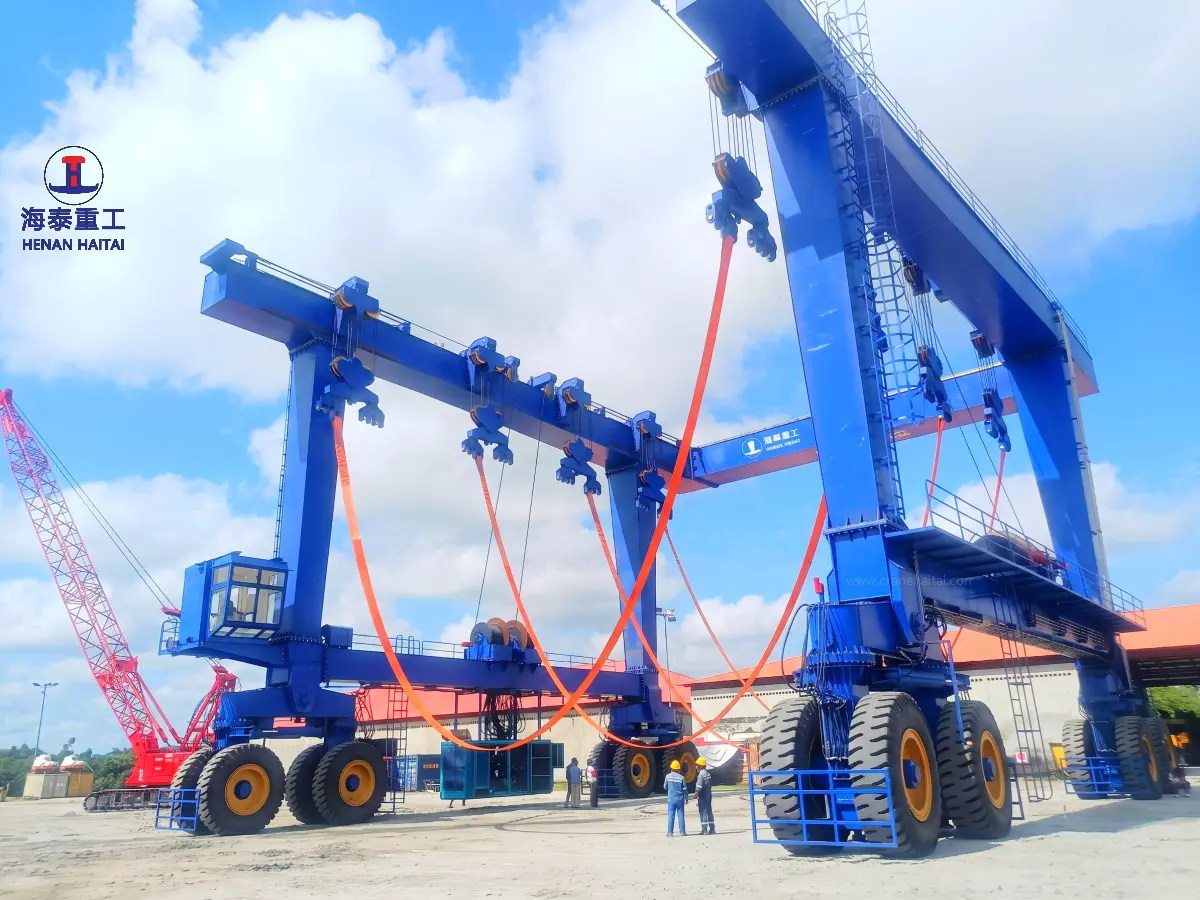
Excerpt: In July 2020, Henan Haitai Heavy Industry Co, Ltd. exported a MBH-type rubber-tyred 500 ton boat lifting crane to Malaysia. Designed for heavy-duty vessel handling, this marine travel lift combines a large gantry structure, a hydraulic drive system, and lifting slings to support boatyard operations. This project highlights the equipment configuration and the technical factors buyers should consider when selecting a large-capacity travel lift.
Project Overview – Video Show
In July 2020, Henan Haitai Heavy Industry exported a 500 ton boat lifting crane, model MBH-500t-21m, to Malaysia. This rubber-tyred marine travel lift is designed to lift and transport vessels within a designated working area, supporting boatyards, ship repair facilities, and marine maintenance operations.
A marine travel lift, also known as a boat travel lift or mobile boat hoist, is a self-propelled gantry crane that travels on rubber tyres. It uses lifting slings positioned beneath a vessel’s hull to raise the boat clear of the supporting surface or water and move it to a designated location. Unlike a rail-mounted crane, it does not require a permanent rail system along its travel route, although the ground and travel path must be suitable for the equipment’s wheel loads.
The Malaysian project features Haitai’s MBH-series travel lift with a rated lifting capacity of 500 tons. The equipment is intended for demanding vessel-handling applications where lifting capacity, yard mobility, and coordinated operation are essential.
Video Title: 500 Ton Rubber Tyre Boat Lifting Crane Exported to Malaysia
Video Description: This short video shows Haitai’s MBH-500t-21m boat lifting crane supplied to Malaysia in July 2020. It presents the overall gantry structure, deployed lifting slings, and rubber-tyred travel system, followed by Haitai’s company contact information.
The video provides a visual reference for the equipment’s overall structure and travel system. Buyers should consult the technical drawings and equipment documentation for confirmed dimensions, rated loads, and detailed configuration.
Project Specifications
| Parámetro | Especificación |
|---|---|
| Equipment Type | Elevador de viaje marino |
| Descripción del Producto | Rubber-Tyred Boat Lifting Crane |
| Modelo | MBH-500t-21m |
| Capacidad de elevación nominal | 500 tons |
| Height | 21 m |
| Sistema de transmisión | Hydraulic |
| Sistema de viaje | Rubber tyres with multi-wheel bogies |
| Lifting Arrangement | Hoisting equipment and flat lifting slings |
| Operator Station | Glazed operator cabin |
| Destino | Malaysia |
| Fecha de exportación | July 2020 |
| Fabricante | Compañía de Industria Pesada Henan Haitai, Ltd. |
How the 500 Ton Marine Travel Lift Is Configured?
1. Lifting System and Hull Support
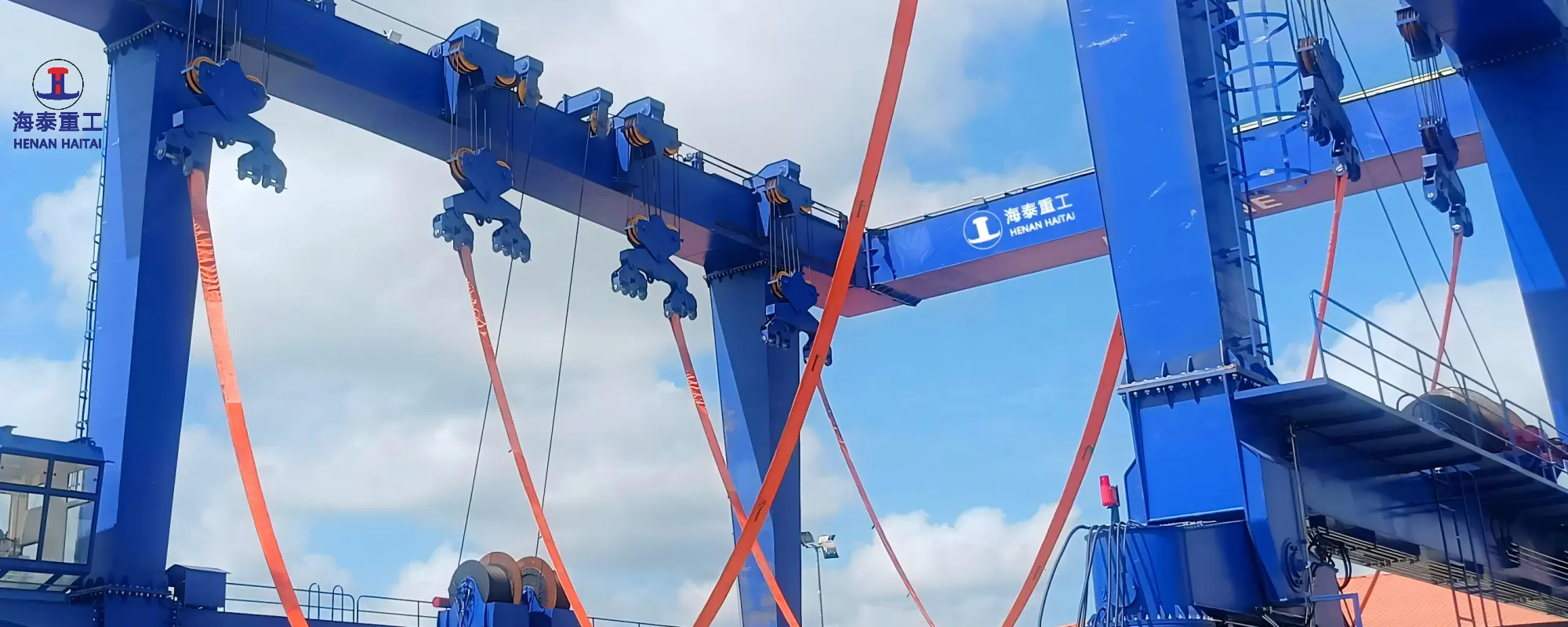
The lifting system raises a vessel using hoisting equipment and flat lifting slings arranged beneath the hull. During a lifting operation, the slings must be positioned according to the vessel’s approved lifting plan, hull structure, and center of gravity.
For a vessel weighing hundreds of tons, correct sling positioning and load distribution are particularly important. The number of lifting points, sling spacing, allowable sling loads, and hoisting arrangement must be selected according to the vessel’s characteristics and the crane’s engineering design.
This is one reason a 500 ton boat lifting crane should be specified according to actual vessel data rather than rated capacity alone. Vessel weight, hull geometry, keel configuration, and approved lifting points all affect the suitability of the equipment.
2. Rubber-Tyred Travel System
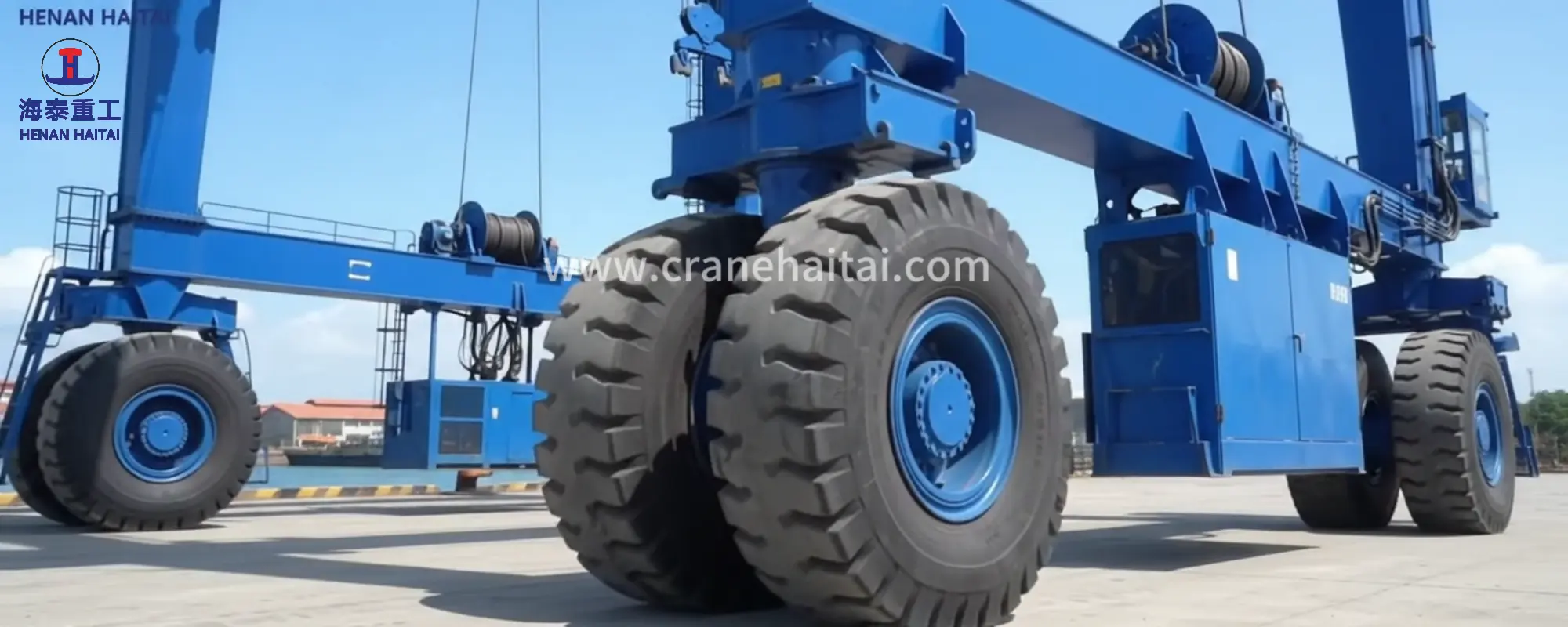
The hydraulic travel lift uses large rubber tyres arranged on multi-wheel bogies to support the crane structure and enable movement around the designated yard. This arrangement allows the machine to travel without fixed rails and provides flexibility when transferring vessels between haul-out areas, maintenance zones, and storage locations.
However, the ground must be designed or assessed for the actual wheel loads, including the effects of the lifted vessel, crane self-weight, and operating conditions. Yard surface strength, drainage, gradients, turning space, and the condition of the haul-out route should be evaluated before the equipment enters service.
A suitable travel route helps reduce operational risks and supports more predictable vessel handling.
3. Operator Cabin and Operating Visibility
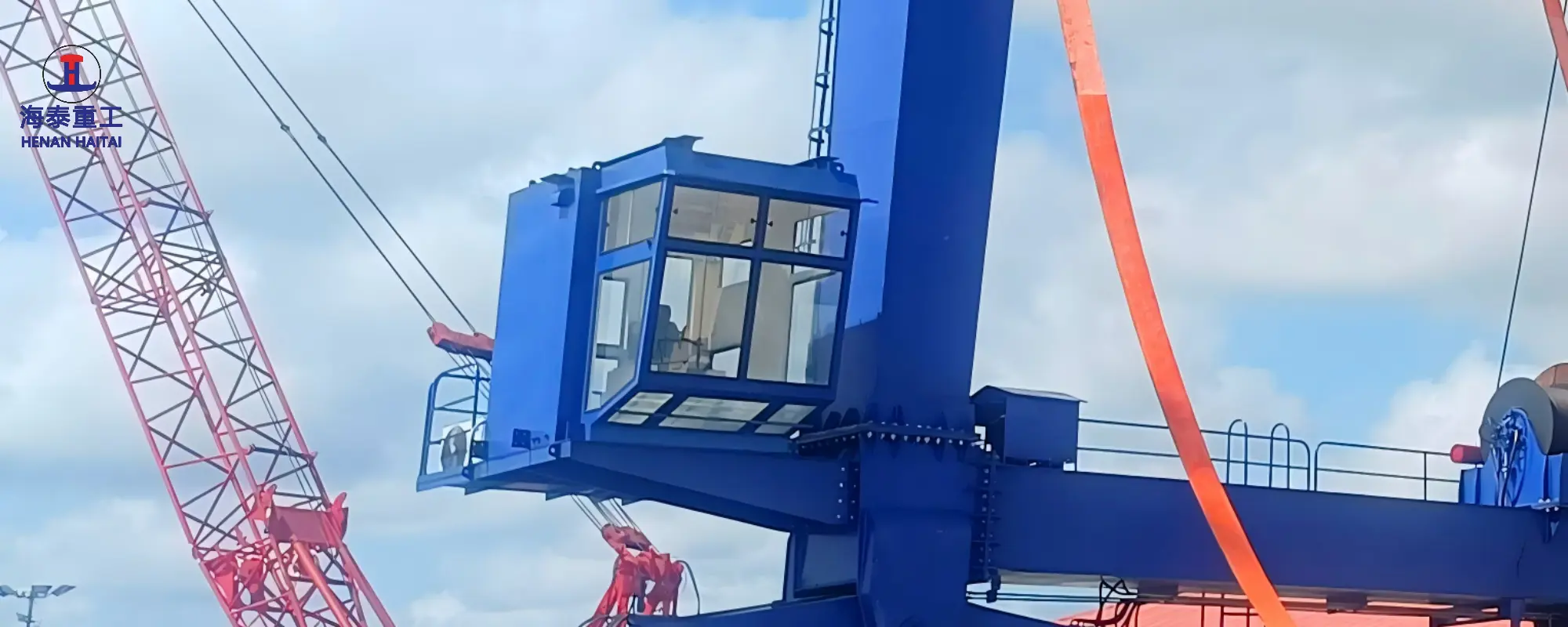
The glazed operator cabin provides the operator with a view of the surrounding working area. Visibility is important when positioning the lifting slings, coordinating movement, and transporting a vessel through a boatyard.
Actual operating procedures should also account for blind spots, communication between personnel, designated exclusion zones, and the use of trained signalers where necessary. These measures help ensure that lifting and traveling operations are carried out in a controlled manner.
Key Considerations When Specifying a 500 Ton Marine Travel Lift Malaysia
Selecting a large marine travel lift requires more than choosing a nominal lifting capacity. The boat lifting crane for shipyard must match the vessel, the yard layout, and the conditions along the complete travel route.
- Vessel Dimensions and Weight: Provide the vessel’s length, beam, displacement or actual lifting weight, hull shape, keel arrangement, and center of gravity. The lifting weight must include any equipment or materials that remain on board during lifting.
- Clear Width and Lifting Height: Confirm the required clearance between the crane legs and the vertical space needed to lift the vessel clear of the water or supporting surface. The model’s 21 m designation should not be treated as the available clear width unless verified by the technical drawing.
- Sling Arrangement: Identify the approved hull support points, the number and spacing of slings, and the allowable loads at each point. Vessel-specific lifting requirements should be reviewed before finalizing the crane configuration.
- Ground and Dock Capacity: A 500 ton rated crane can impose substantial loads on the yard surface and haul-out area. The design assessment must consider crane self-weight, lifted vessel weight, wheel-load distribution, and the applicable operating condition.
- Travel Route and Maneuverability: Review turning areas, gradients, overhead obstructions, access widths, and the route between the water, maintenance area, and storage zone.
- Marine Environment: For coastal applications, specify suitable corrosion protection and assess the effects of humidity, salt exposure, temperature, and other site conditions on structural, hydraulic, and electrical components.
- Standards and Documentation: Confirm the applicable local regulations, inspection requirements, certification, operating manuals, and maintenance documentation before ordering.
¿Por qué elegir? haitiano for a Boat Lifting Crane?
A large-capacity boat lifting crane is a specialized investment. The correct configuration depends on vessel characteristics, lifting requirements, site conditions, and the operating procedures of the boatyard.
Haitai Crane provides customized lifting equipment for industrial and marine applications. For a marine travel lift project, our engineers can assess the required capacity, vessel dimensions, clear width, lifting height, sling arrangement, travel system, and working environment before confirming a suitable configuration.
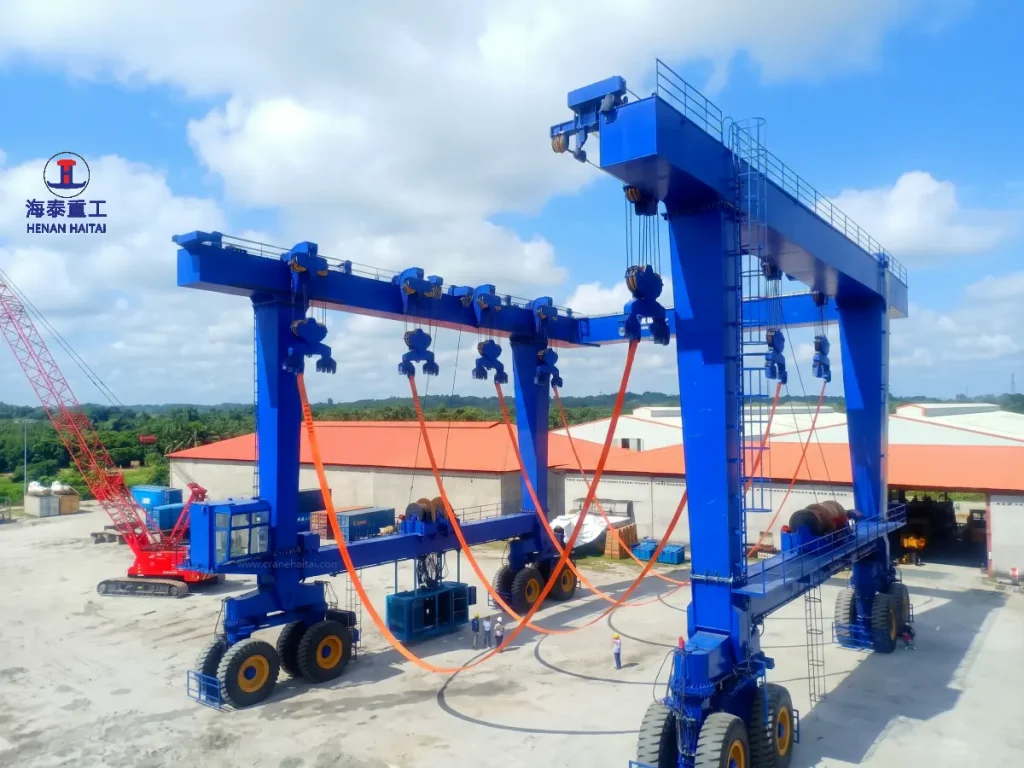
The 500 ton MBH travel lift unit exported to Malaysia in July 2020 is an example of Haitai’s experience in supplying large rubber-tyred vessel-handling equipment for international customers.
Previous Export Case Studies
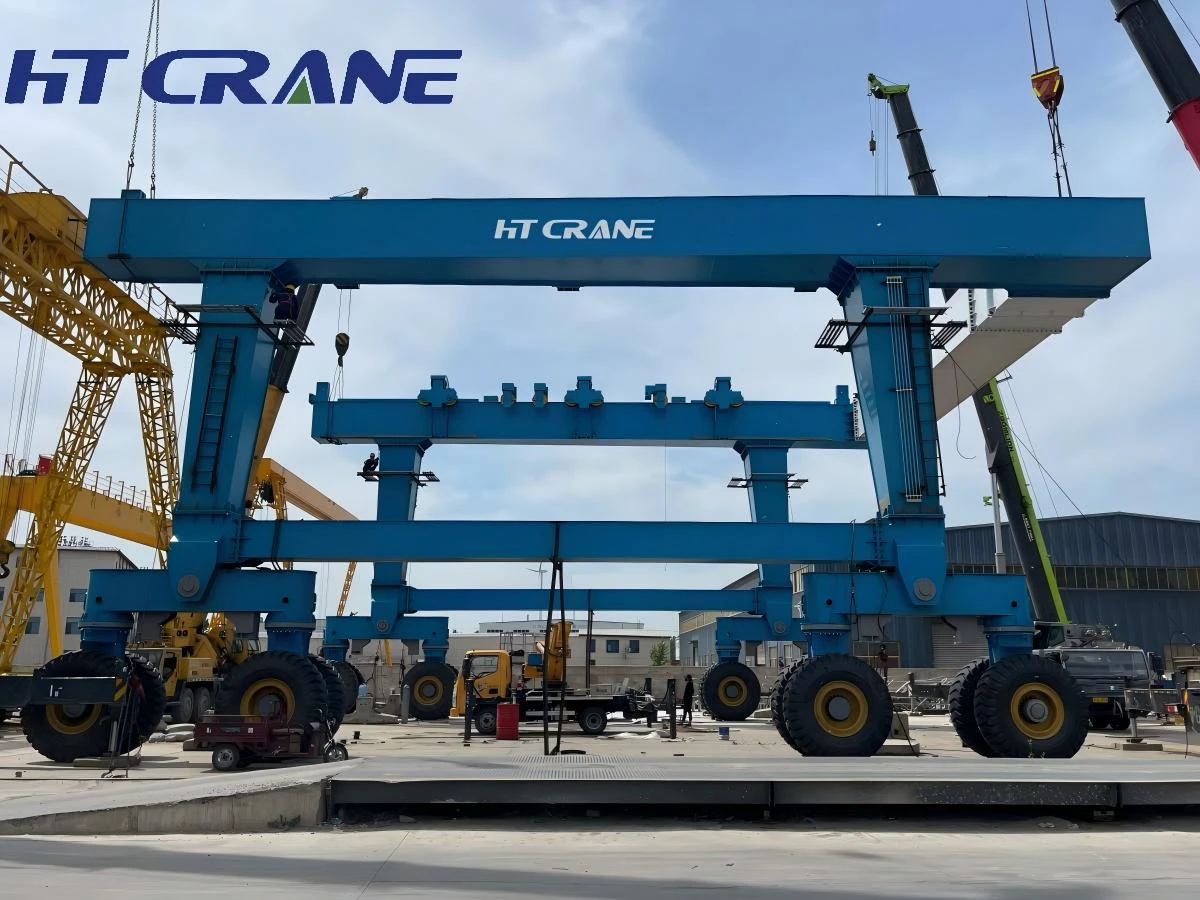
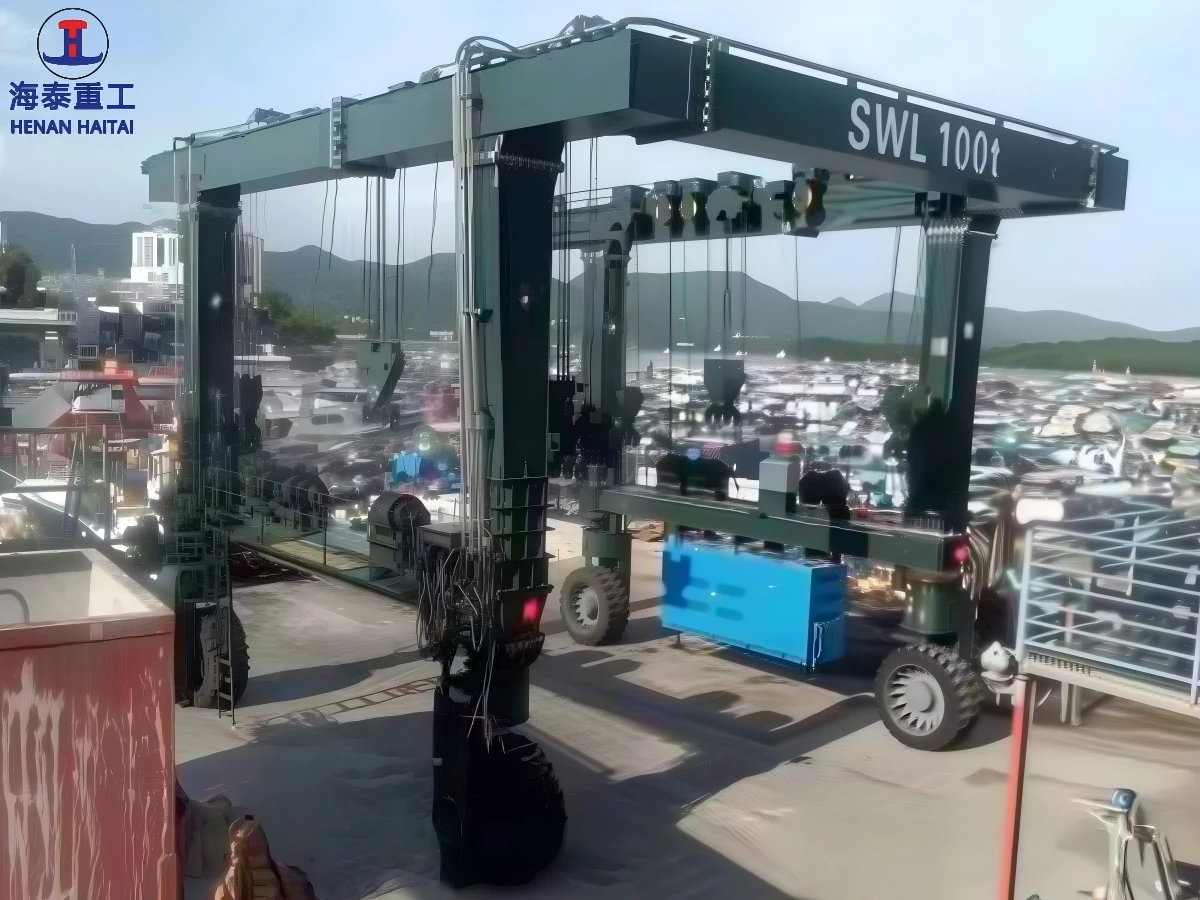
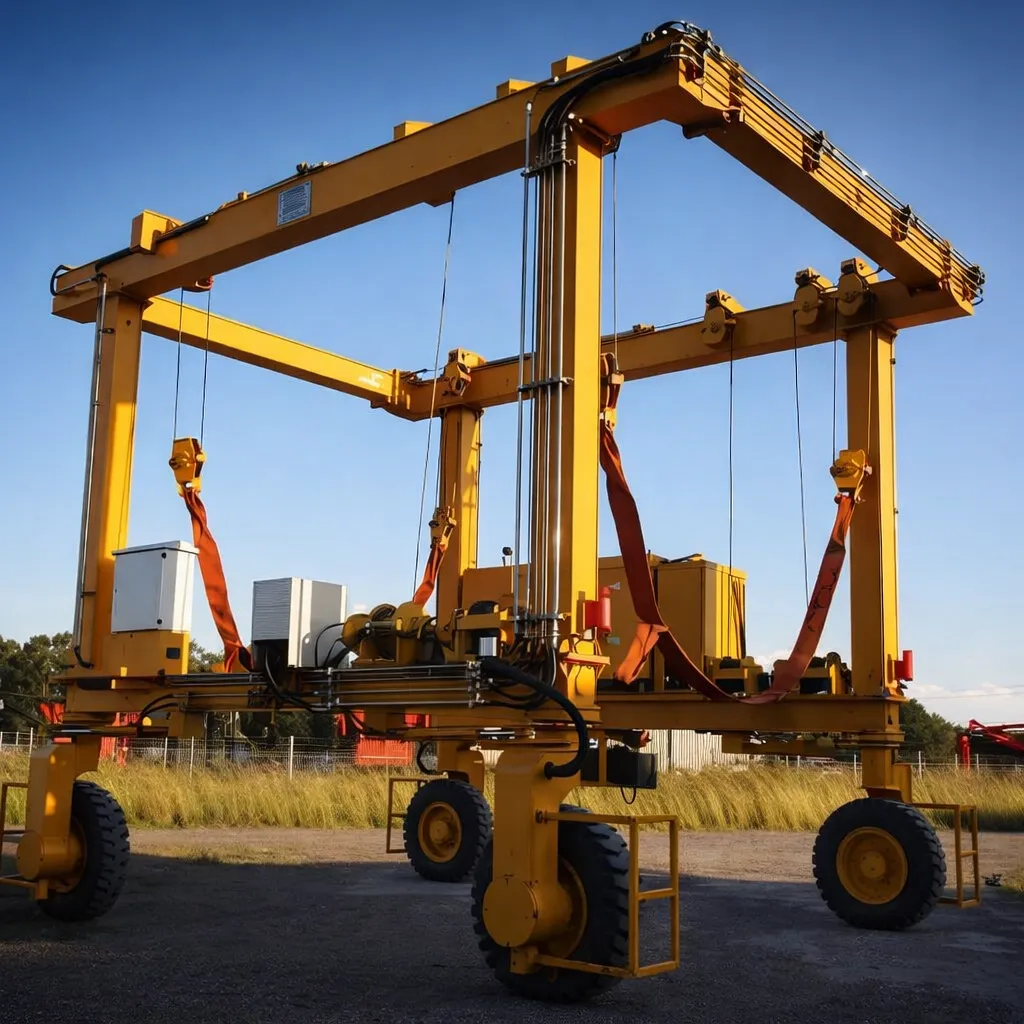
If you would like to view export case studies for yachts with different specifications, please click the article link below.
If you are planning a new boatyard, expanding a marine repair facility, or replacing an existing travel lift, providing accurate vessel data and a site layout at the quotation stage can help reduce design changes and improve project planning.
Discuss Your Marine Travel Lift Project with Haitai Crane
Haitai Crane welcomes inquiries from shipyards, boatyards, marine service providers, and project contractors seeking customized vessel-handling equipment.
To discuss your project, please provide the vessel’s dimensions and lifting weight, required capacity, site layout, travel route, and operating conditions. Our team can review these details and help identify the technical parameters that need to be confirmed before a quotation is prepared.
Correo electrónico: [email protected]
Phone: +86 136 7352 1295

Preguntas frecuentes
Q1: What is a 500 ton boat lifting crane?
A 500 ton boat lifting crane is a mobile boat hoist crane with a rated lifting capacity of 500 tons under its specified operating configuration. It uses a gantry structure, lifting slings, and a traveling system to lift and transport vessels within a suitable boatyard or marine facility.
Q2: How does a rubber-tyre marine travel lift work?
The travel lift moves into position around a vessel, and the lifting slings are arranged beneath the hull according to an approved lifting plan. The hoisting system raises the vessel, after which the crane can transport it along a suitable travel route on its rubber tyres.
Q3: What does the MBH-500t-21m model designation mean?
The supplied model designation identifies the equipment as an MBH-series travel lift with a nominal 500 ton capacity and a 21 m size designation. The exact meaning of the 21 m dimension should be confirmed against the original technical drawing before it is used as the span or clear width.
Q4: Can Haitai customize a marine travel lift for different vessels?
Yes. The configuration can be developed according to vessel weight, length, beam, hull shape, required clearance, lifting height, sling arrangement, travel route, and site conditions. Final specifications depend on the engineering assessment.
Q5: What information is needed for a 500 ton travel lift quotation?
Customers should provide vessel dimensions, actual lifting weight, hull and keel details, required clear width, lifting height, yard layout, ground-bearing capacity, travel route, operating frequency, environmental conditions, and applicable standards or certification requirements.




