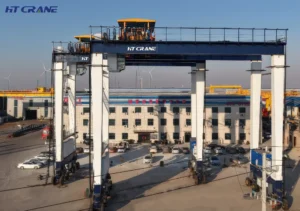
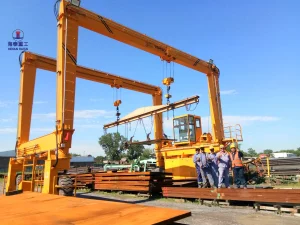
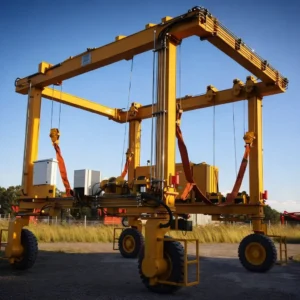
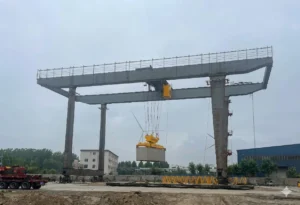
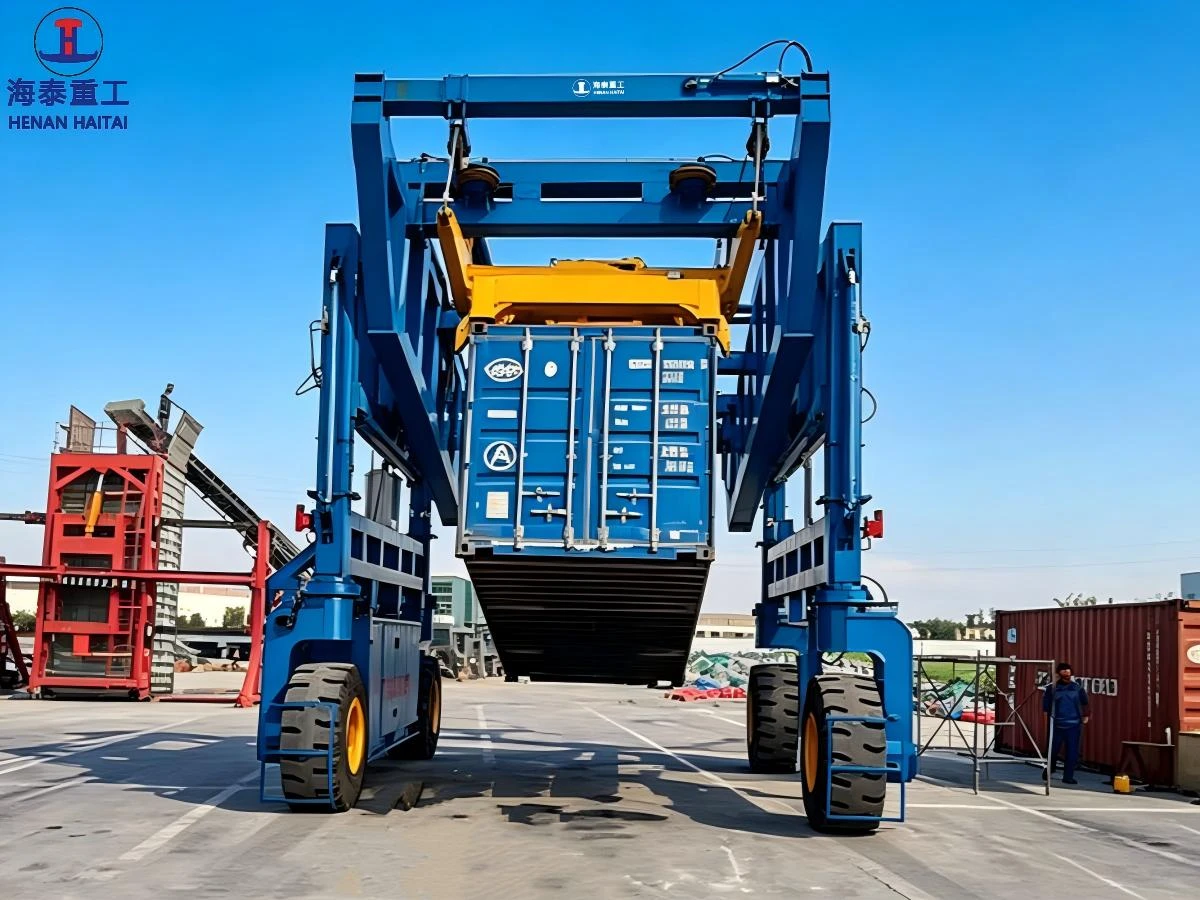
A reliable RTG crane manufacturer determines far more than the price on a quotation. Rubber-tyred gantry (RTG) cranes run in continuous, high-cycle operation at container terminals, intermodal yards, and logistics parks. A poor manufacturer choice shows up later, not immediately.
Procurement teams at port terminals, industrial yards, and EPC contractors all face the same underlying question. Which supplier will still support this equipment in year eight, not just at handover. This article outlines seven factors that separate a dependable RTG crane manufacturer from one that simply wins on price. Each factor includes what to verify and what typically goes wrong when it is skipped.
Why the RTG Crane Manufacturer Choice Matters Across Three Buyer Types?
Port terminal operators depend on RTG cranes for daily container throughput, so downtime directly reduces yard capacity. Industrial and manufacturing sites with intermodal storage yards rely on the same equipment for inbound and outbound freight consolidation. General contractors and EPC firms specifying cranes for logistics park projects carry a different risk: they must defend the equipment choice to an end client for the next 15 to 20 years.
Across all three groups, the manufacturer relationship outlasts the sale. Spare parts availability, engineering support, and warranty response speed matter more over time than the initial unit price. With that shared stake established, the seven factors below give a structured way to compare RTG crane manufacturer candidates on equal terms.
Selecting a reliable RTG crane manufacturer is a long-term commitment, not a one-time purchase. This guide breaks down seven practical factors, from certification and structural design to after-sales support and total cost of ownership, that procurement teams at ports, container yards, and logistics parks should verify before signing a contract.
1. Compliance with International Standards and Certification
A reliable RTG crane manufacturer should hold current, verifiable certifications, not just claim compliance in a brochure. Look for ISO 9001 quality management certification, CE marking for equipment destined for the EU or EU-aligned markets, and structural design compliance with FEM 1.001 or CMAA 70 depending on the region. These standards govern load classification, duty cycle, and safety factor calculations.
Ask the manufacturer to provide certification documents tied to the specific crane model being quoted, not a generic corporate certificate. A supplier that hesitates to share model-specific documentation, or provides certificates for an unrelated product line, is a warning sign worth escalating before contract signing. Standards compliance sets the baseline; structural engineering quality builds on top of it.
2. Structural Engineering and Site-Specific Load Design
Structural design should reflect the actual operating environment, not a one-size template. Wind loading, seismic zone classification, ground bearing capacity, and container stacking height all affect the gantry frame, wheel loads, and boom or trolley design. A manufacturer that simply resizes an existing drawing without recalculating for local conditions introduces long-term structural risk.
Coastal port sites, in particular, face higher wind load requirements than inland logistics parks. Ask for the load calculation report specific to your site, including seismic design category if applicable. A capable RTG crane manufacturer will provide this without extensive delay, since the calculations should already exist from the design phase, not be reverse-engineered on request.
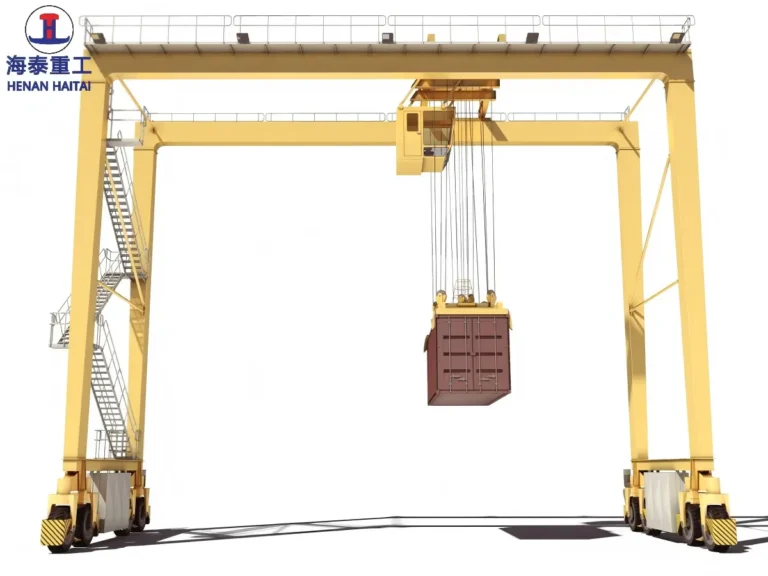
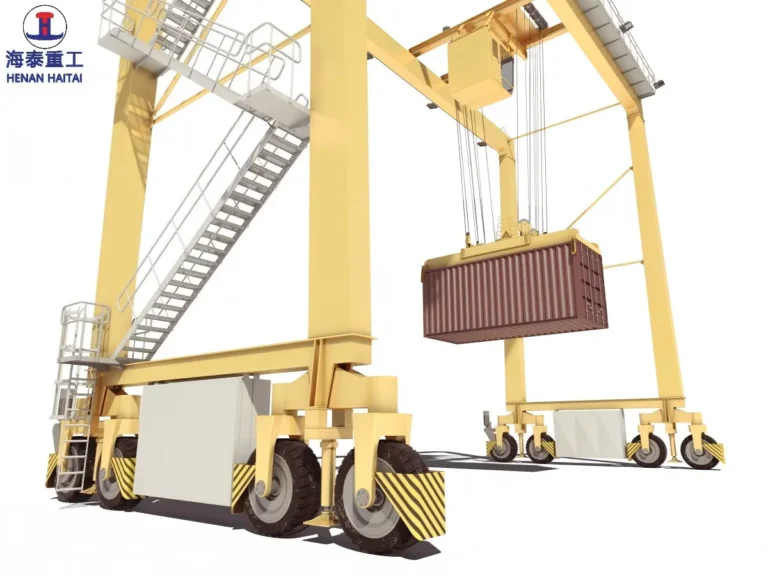
3. Manufacturing Quality Control and a Verifiable Track Record
Fabrication quality is where many otherwise-strong quotations fall apart in practice. Ask whether critical structural welding is performed in-house under certified procedures such as AWS D1.1 or an equivalent regional standard, or subcontracted with limited oversight. Request non-destructive testing (NDT) records for main girder and boom welds, along with a factory audit or video walkthrough before finalizing the order.
A track record matters as much as the process documentation. Ask for reference sites operating similar RTG models for at least three years, and request direct contact with those operators if possible. Manufacturers confident in their build quality rarely resist this request. This verified track record naturally leads into evaluating how modern the crane’s control and automation systems are.
4. Automation and Smart Technology Readiness
Semi-automated and automated RTG cranes are increasingly standard at mid-size and large terminals. Features worth evaluating include remote operation cabins, anti-sway control for faster and safer container placement, and GPS or laser-based container positioning for stacking accuracy. These systems reduce operator fatigue and improve yard density over manual operation alone.
The distinction that matters is proven deployment versus marketed capability. Ask for video evidence or a site visit showing the automation package running under real operating conditions, not a demo environment. A reliable RTG crane manufacturer will readily connect you with a live reference site rather than relying on specification sheets alone.
5. After-Sales Service Network and Spare Parts Availability
Service response time, not equipment price, is often the deciding factor procurement teams regret overlooking. Confirm whether the manufacturer maintains regional service centers or certified local partners near your operating site, and ask for typical technician response time for both scheduled maintenance and emergency breakdowns.
Spare parts lead time deserves equal scrutiny. A manufacturer sourcing all parts from a single overseas facility can leave a crane idle for weeks during a critical component failure. Request a documented spare parts stocking plan and average delivery times to your region before signing. Strong after-sales support only matters, however, if the manufacturer itself remains financially stable enough to deliver on it.
6. Financial Stability, Production Capacity, and Delivery Reliability
A financially unstable manufacturer introduces risk regardless of how strong its engineering looks on paper. Review the company’s production capacity, order backlog, and financial standing where this information is available through trade references or credit reports. Ask for on-time delivery performance from at least three recent projects of comparable scale.
Delivery delays compound quickly in port and logistics park construction schedules, where crane installation is often a critical path item. A manufacturer with consistent, verifiable delivery performance reduces schedule risk considerably. Financial and delivery reliability protect the project timeline, while the final factor protects the long-term operating budget.
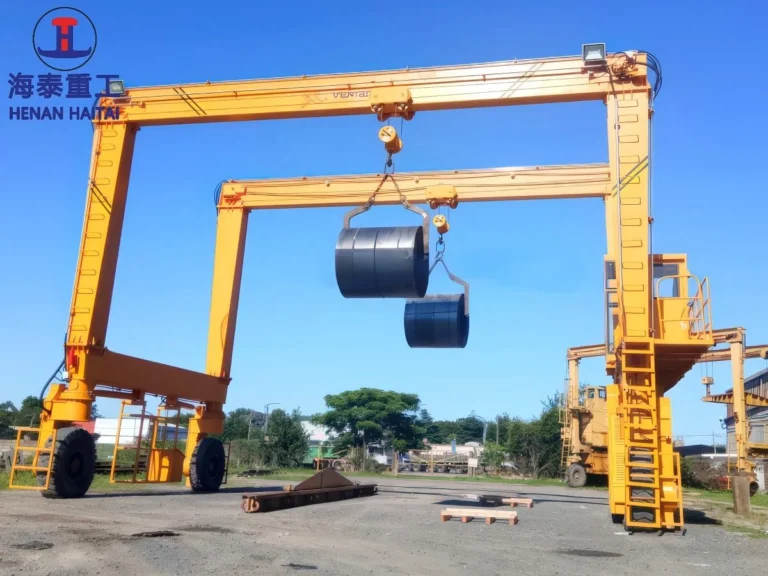
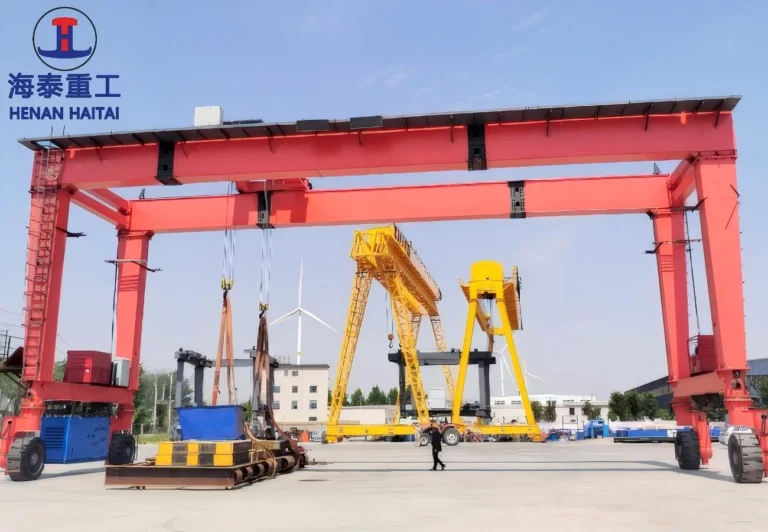
7. Total Cost of Ownership, Not Just Purchase Price
The lowest quotation rarely reflects the lowest total cost. Energy consumption differs meaningfully between diesel-powered and electric or hybrid RTG cranes, and this gap compounds over a 10 to 15 year service life. Ask for documented energy consumption data per container move, not estimated figures, when comparing electric RTG options against diesel models.
Maintenance interval requirements, wear part replacement costs, and expected resale value also belong in a proper total cost of ownership comparison. A slightly higher upfront price from a reliable RTG crane manufacturer frequently costs less over the equipment’s full working life. The table below summarizes all seven factors for quick reference during vendor evaluation.
RTG Crane Manufacturer Evaluation at a Glance
| Key Factor | O que verificar | Common Red Flag |
|---|---|---|
| 1. Standards & Certification | ISO 9001, CE marking, design compliance with FEM 1.001 or CMAA 70 | Certificates that are expired or issued for a different product line |
| 2. Structural Engineering | Wind, seismic, and fatigue load calculations for your site conditions | Generic drawings not adapted to local climate or ground loads |
| 3. Manufacturing QC | In-house welding certification (e.g., AWS D1.1), NDT records, factory audit access | Heavy reliance on uninspected subcontracted fabrication |
| 4. Automation Readiness | Remote control cabin, anti-sway system, GPS container positioning | Automation marketed but not proven at an operating site |
| 5. After-Sales Network | Regional service centers, spare parts lead time, technician response SLA | Spare parts sourced only from the home country, long lead times |
| 6. Financial & Delivery Stability | Production capacity, on-time delivery history, financial standing | Repeated delivery delays cited by existing customers |
| 7. Total Cost of Ownership | Energy consumption data, maintenance intervals, resale value trends | Quoting only purchase price, no lifecycle cost breakdown |
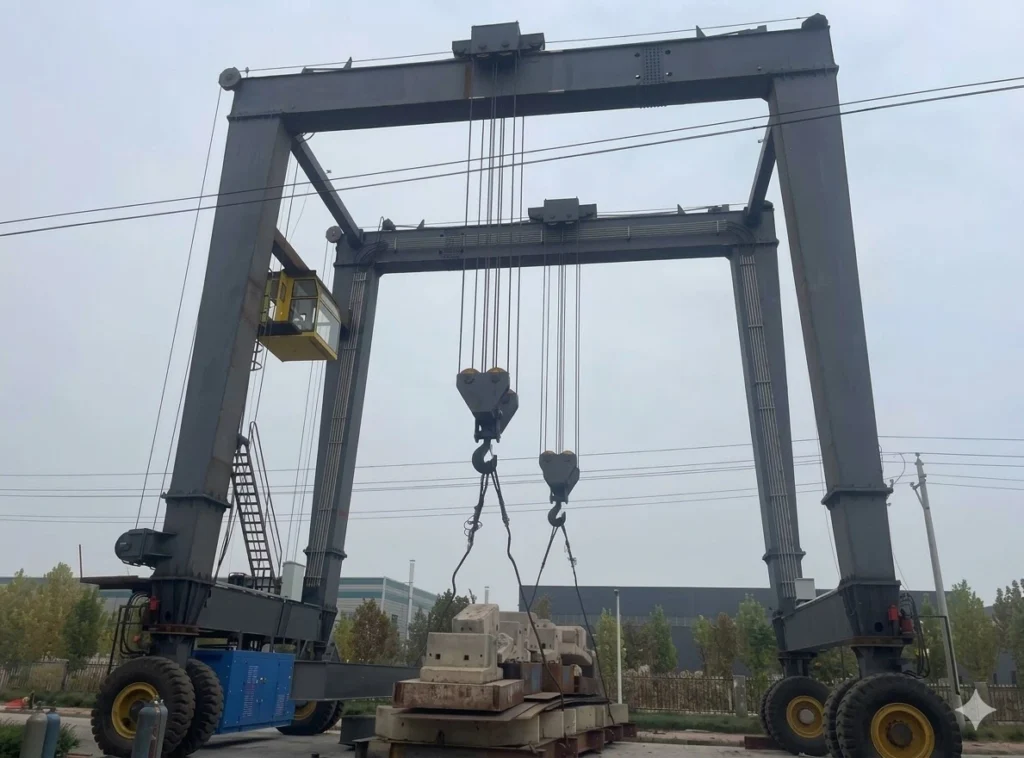
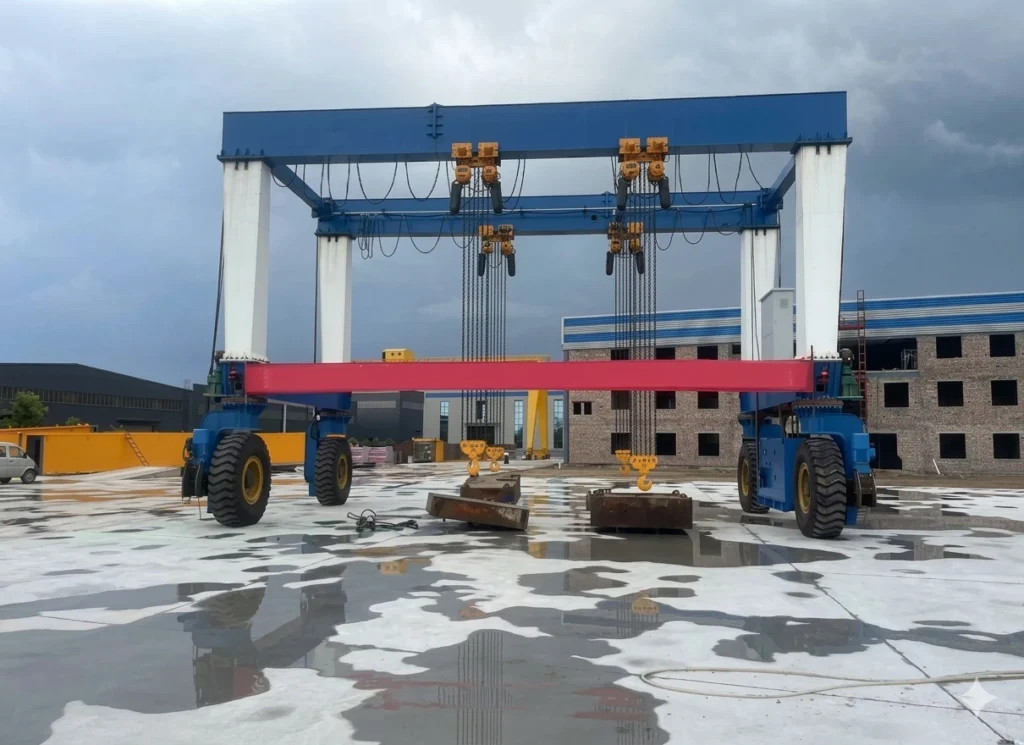
Case Example: Avoiding a Costly Selection Mistake
A mid-size intermodal logistics park in Southeast Asia selected an RTG crane manufacturer based primarily on unit price, skipping a factory audit to meet a compressed procurement timeline. Within the first 18 months, recurring hoist gearbox failures traced back to inconsistent in-house quality control and a subcontracted fabrication process with limited NDT documentation.
Spare parts for the affected gearbox model took over six weeks to arrive from the manufacturer’s home country, extending each failure into a multi-week capacity loss. The operator ultimately negotiated a revised service agreement and secondary local parts sourcing, but the disruption could have been avoided with a factory audit and reference-site verification at the procurement stage. This case reflects a common pattern across the seven factors above: skipped verification steps rarely save money in the long run.
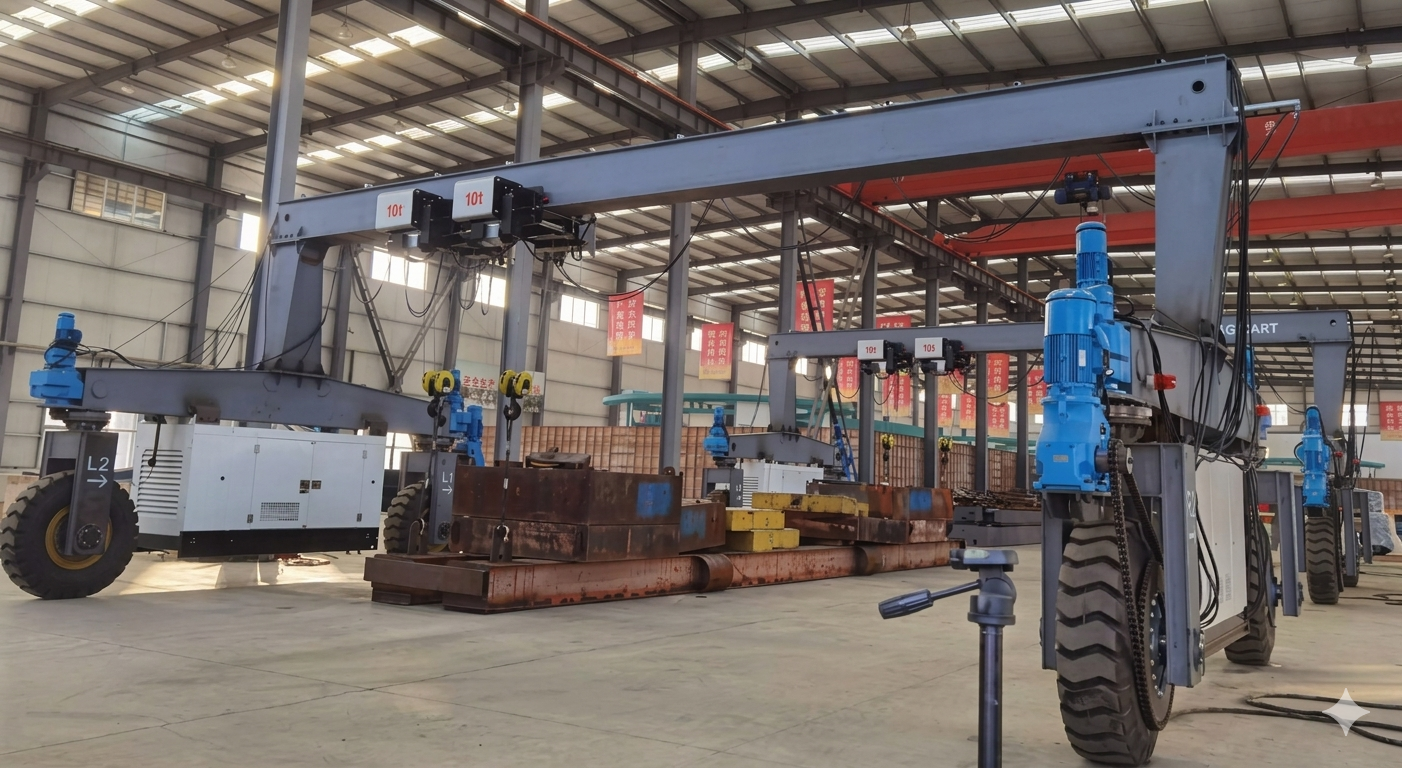
Conclusion to Selecting a Reliable RTG Crane Manufacturer
Selecting a reliable RTG crane manufacturer requires evaluating certification, structural engineering, manufacturing quality, automation maturity, after-sales support, financial stability, and total cost of ownership together, not in isolation. No single factor guarantees a sound decision on its own.
Before finalizing a vendor, request model-specific certification documents, a factory audit or video walkthrough, at least three verifiable reference sites, and a documented total cost of ownership comparison. Procurement teams at ports, industrial yards, and logistics park projects that apply this checklist consistently reduce both upfront risk and long-term operating cost when working with an RTG crane manufacturer for the first time or renewing an existing supplier relationship.
HT crane has specialized in engineering and supplying reliable and advanced RTG Container Cranes for years. Choosing haitai will be a right choice for reliable RTG crane manufacturer and supplier. Contact our engineer specialist, Simon, to get your specialized RTG crane solution now.
Notes: consider reviewing your terminal’s container throughput projections and site geotechnical report before finalizing crane specifications, and request a side-by-side technical comparison from at least two shortlisted manufacturers before final selection.

Perguntas frequentes
What certifications should a reliable RTG crane manufacturer hold?
At minimum, look for ISO 9001 quality management certification and CE marking if the equipment ships to the EU or an EU-aligned market. Structural design should reference FEM 1.001 or CMAA 70 depending on your region. Request documentation tied to the specific model quoted, not a general corporate certificate, since model-specific compliance is what actually applies to your order.
How long does RTG crane delivery typically take from order to commissioning?
Lead times generally range from six to twelve months depending on customization level, current factory backlog, and whether the crane includes automation features. Diesel-powered standard models tend toward the shorter end, while electrified or fully automated RTG cranes often require additional engineering time. Always request a written delivery schedule with milestone dates, not just a final date, before signing.
Is it worth paying more for an electric or hybrid RTG crane over diesel?
In most high-utilization yards, yes. Electric and hybrid RTG cranes typically show lower fuel and maintenance costs over a 10 to 15 year service life, offsetting the higher upfront price within several years depending on operating hours and local energy costs. Ask the manufacturer for documented energy consumption per container move to model this comparison accurately for your site.
How do we verify a manufacturer’s after-sales support before signing a contract?
Request the location of regional service centers or certified local partners, average spare parts delivery time to your country, and documented technician response SLAs for both routine maintenance and emergency breakdowns. Speaking directly with at least two existing customers operating similar equipment for two or more years is the most reliable way to confirm actual service performance.
What is the biggest mistake buyers make when comparing RTG crane manufacturer quotations?
Comparing purchase price alone without factoring in total cost of ownership. Energy consumption, maintenance intervals, spare parts lead time, and resale value can shift the true cost ranking significantly. Buyers who request a full lifecycle cost breakdown alongside the initial quotation, rather than price only, make more accurate long-term procurement decisions.